
The documentary “THE POWER AND SPIRIT” explores the unique art and movements of Muay Thai, which are distinct to different regions and are connected to local wisdom, profound concepts, and deep philosophy, with “Buakaw” as the main feature.
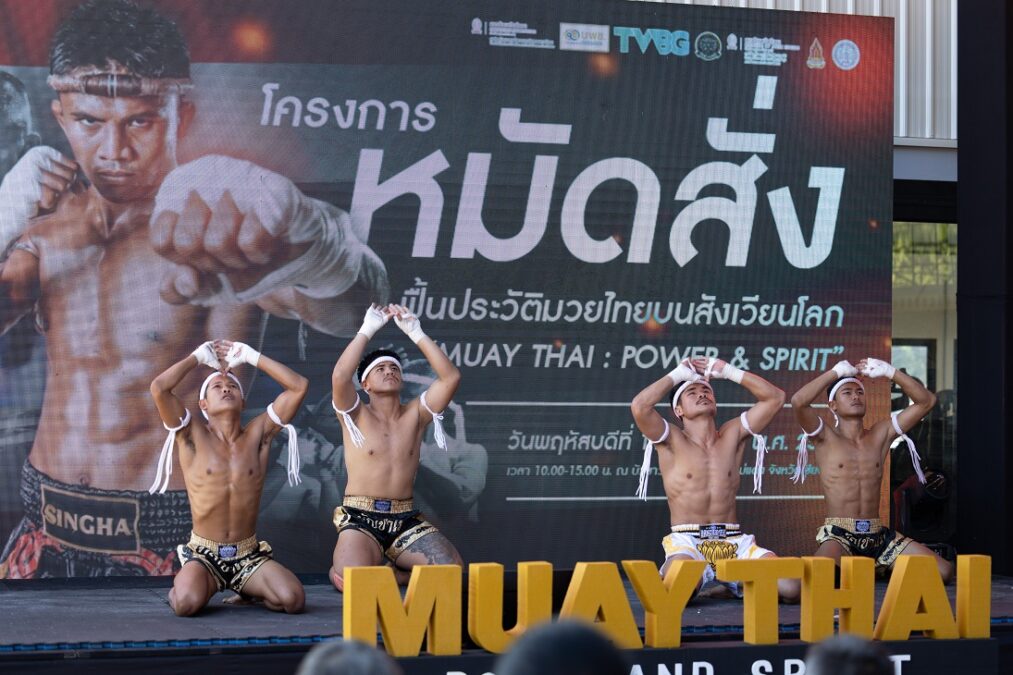
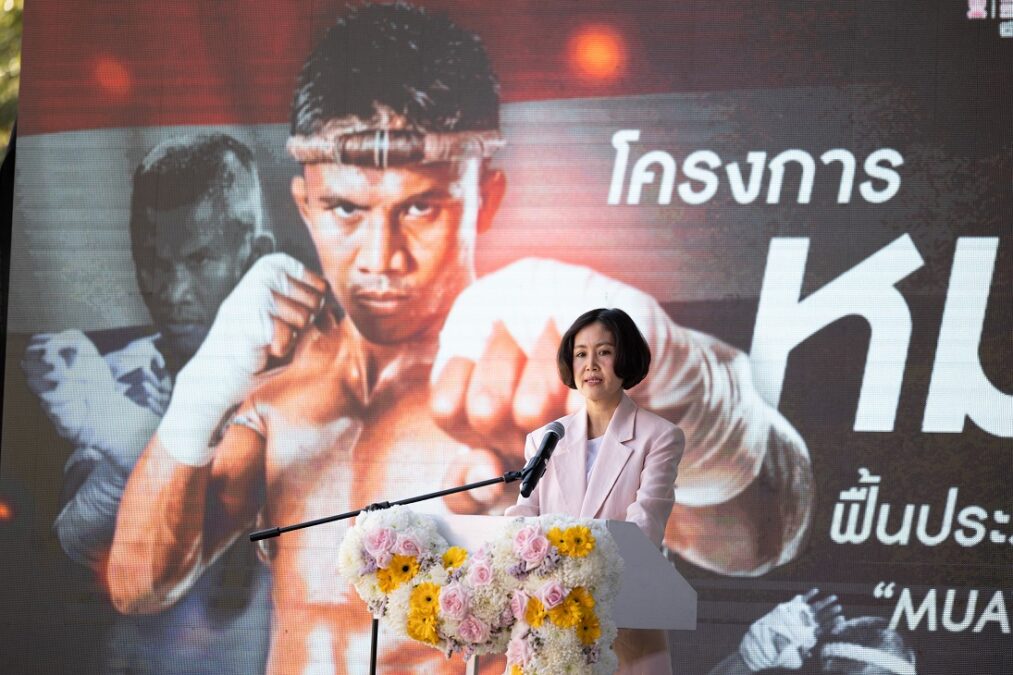
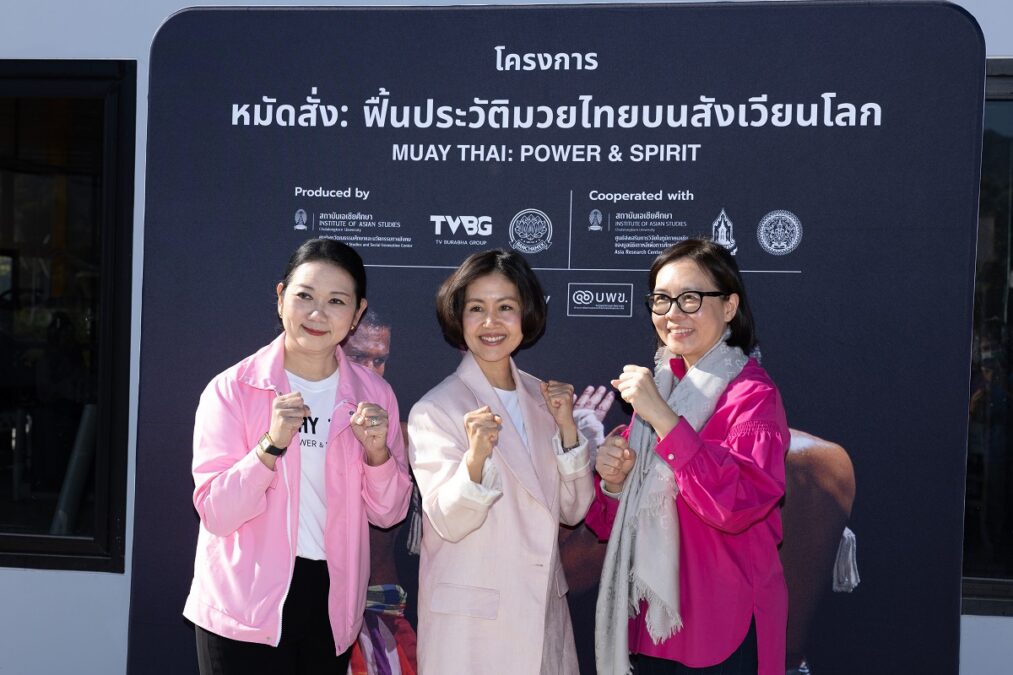
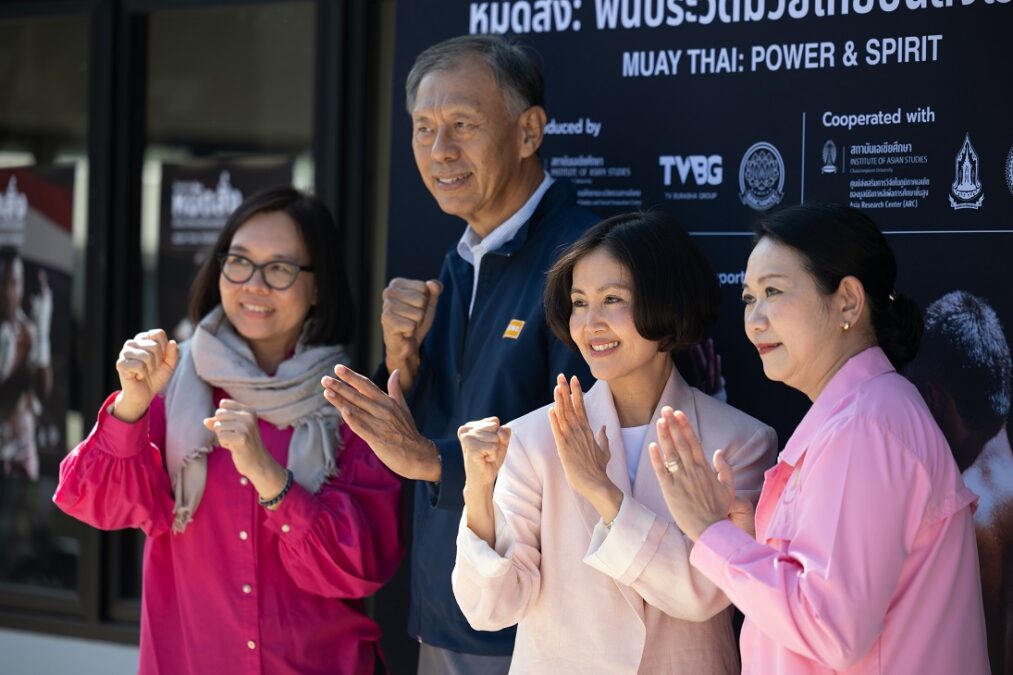
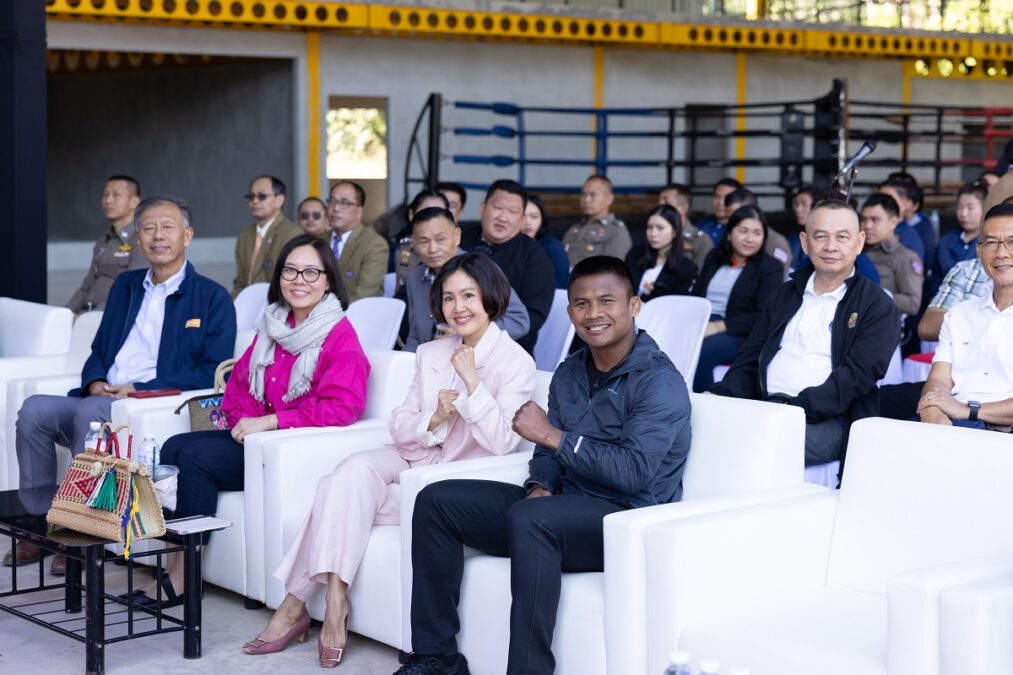
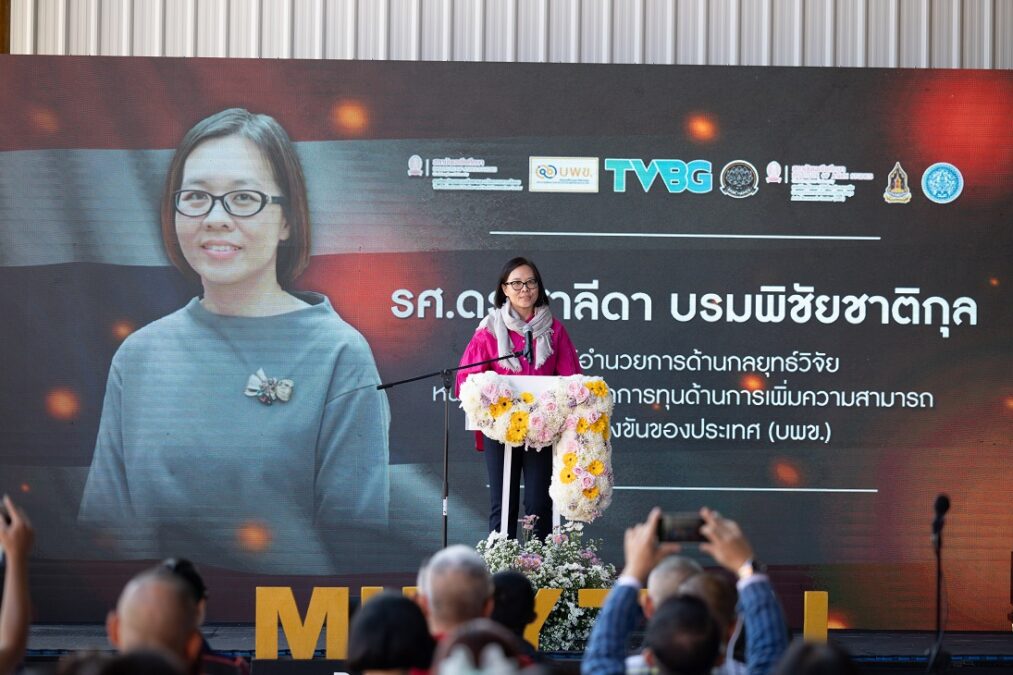
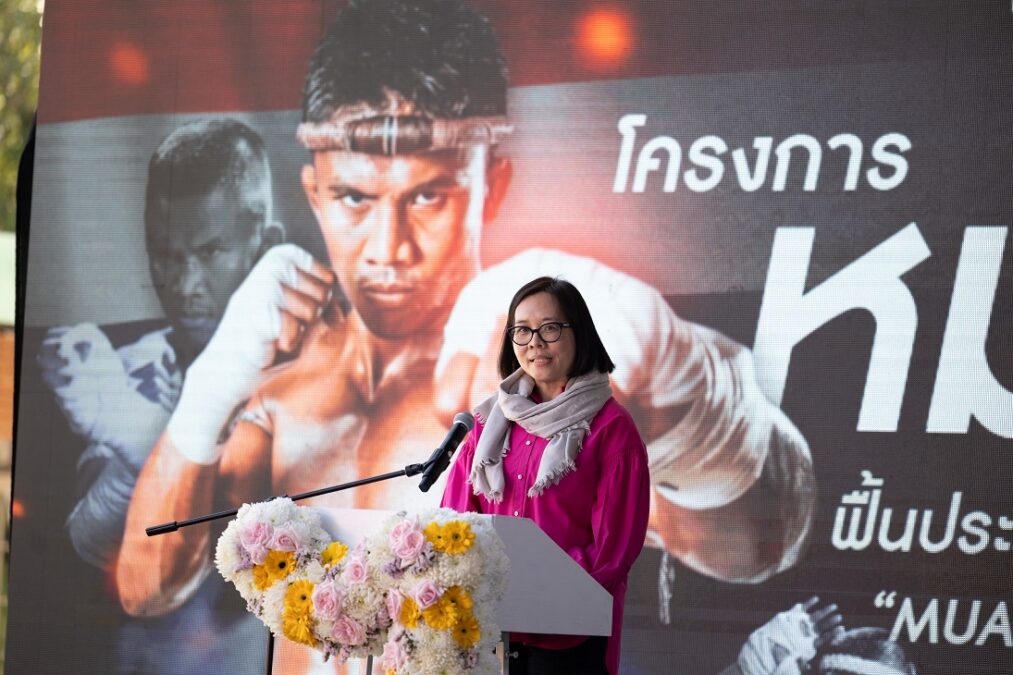
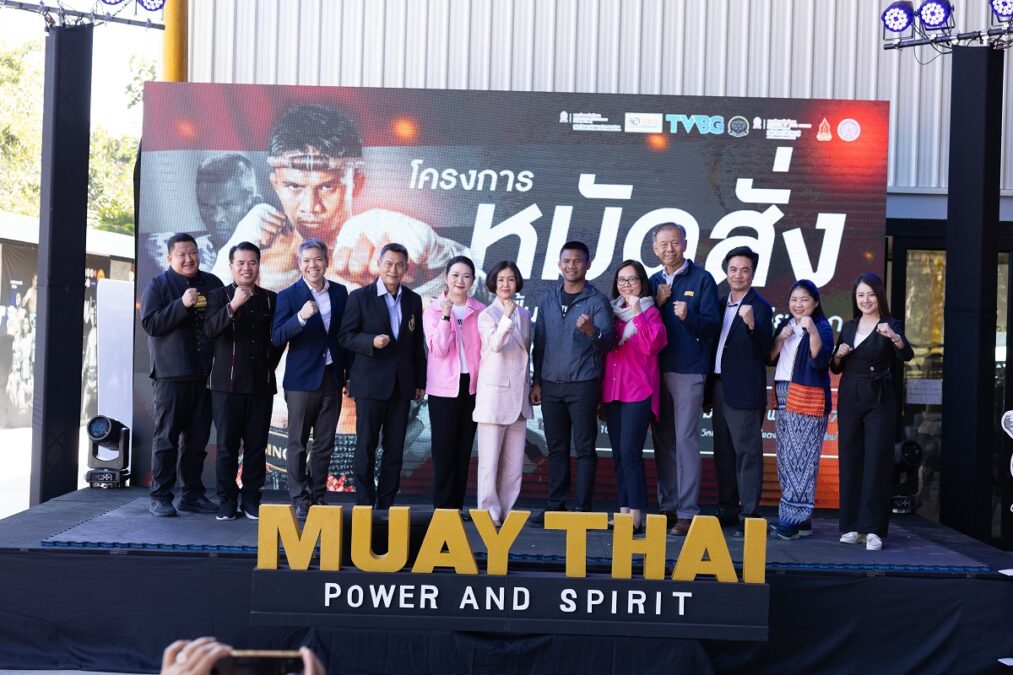
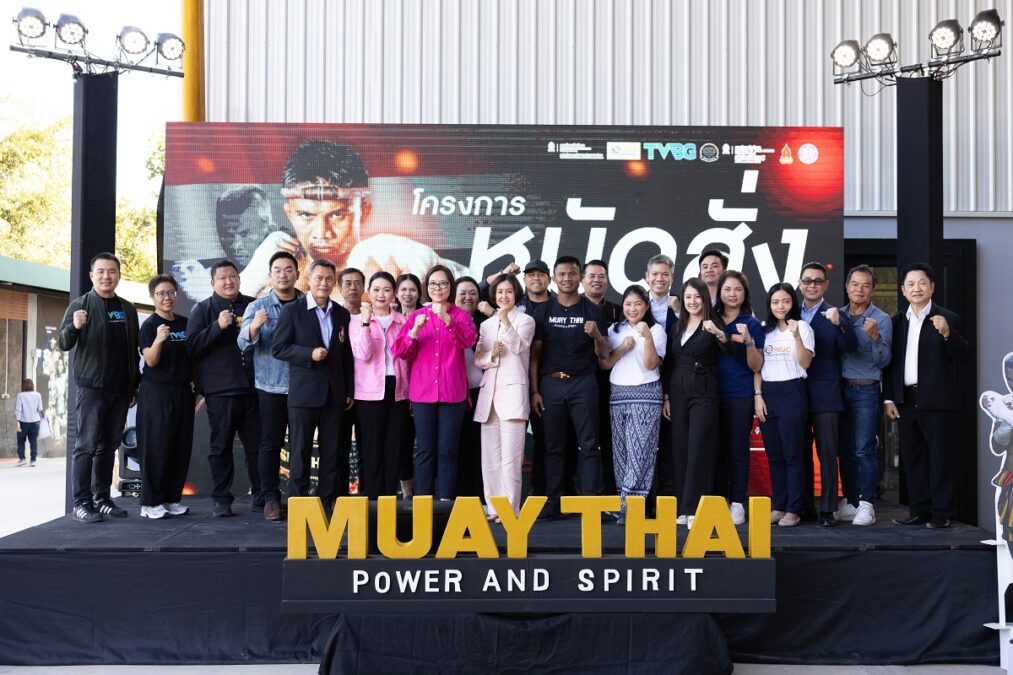
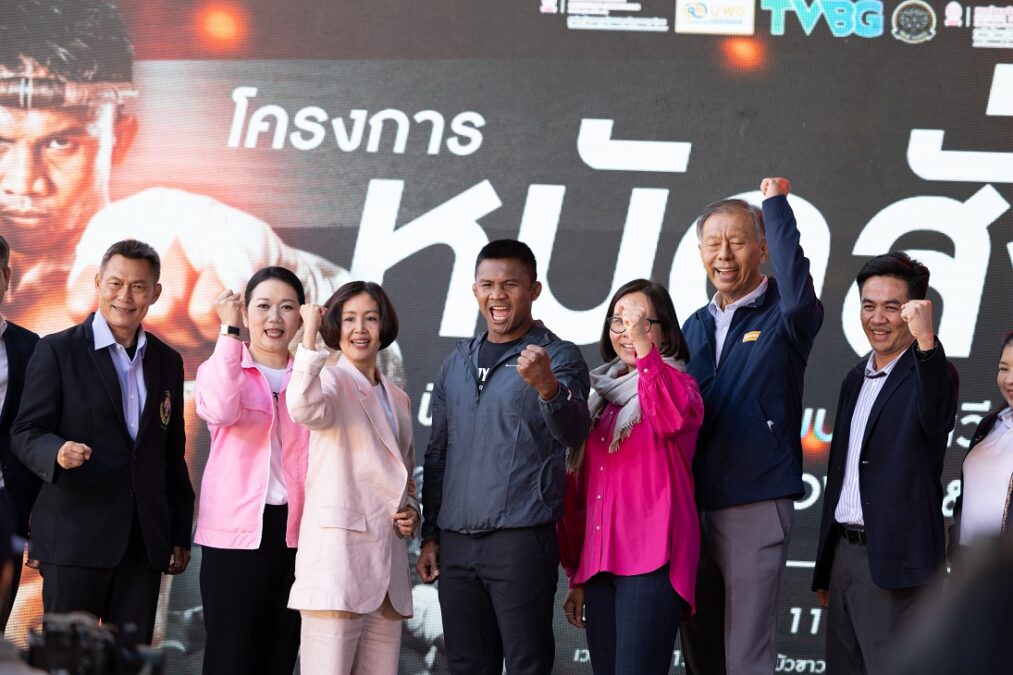
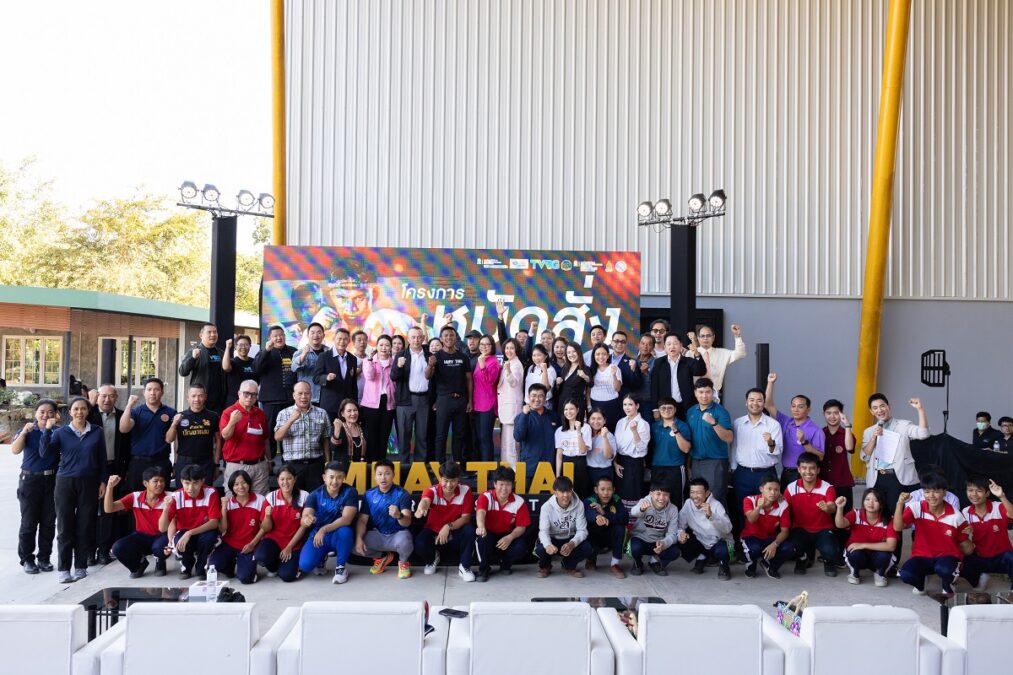
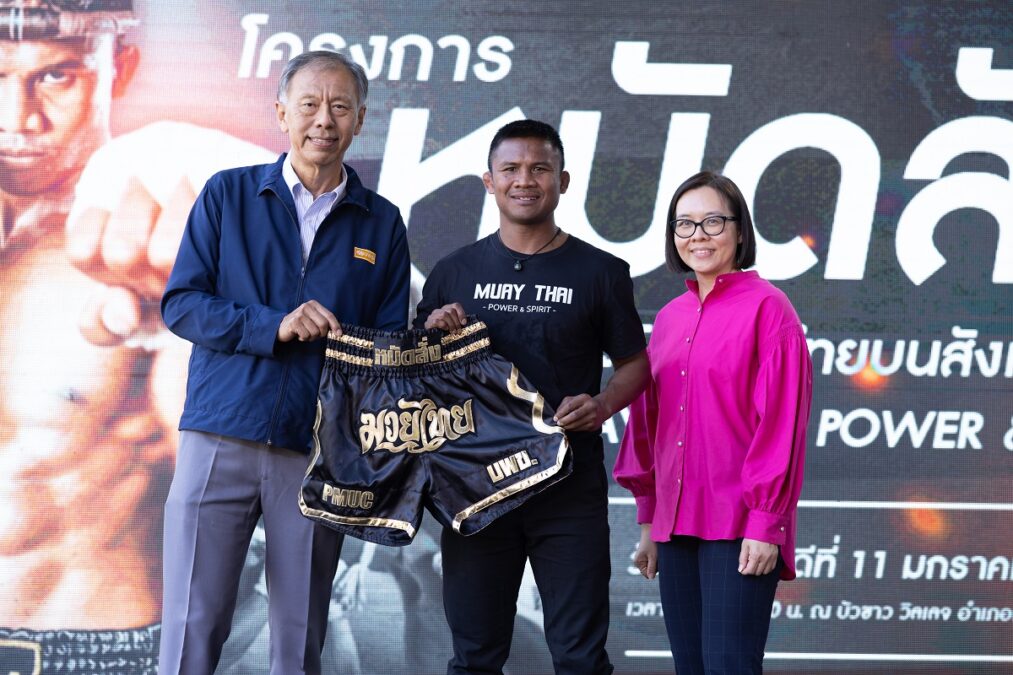
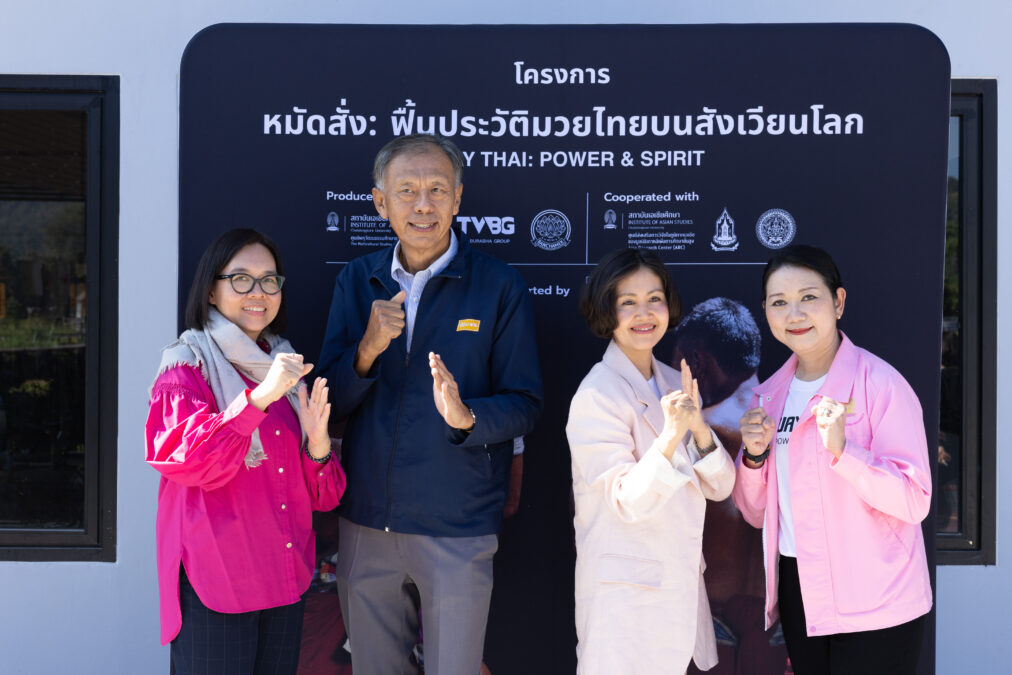
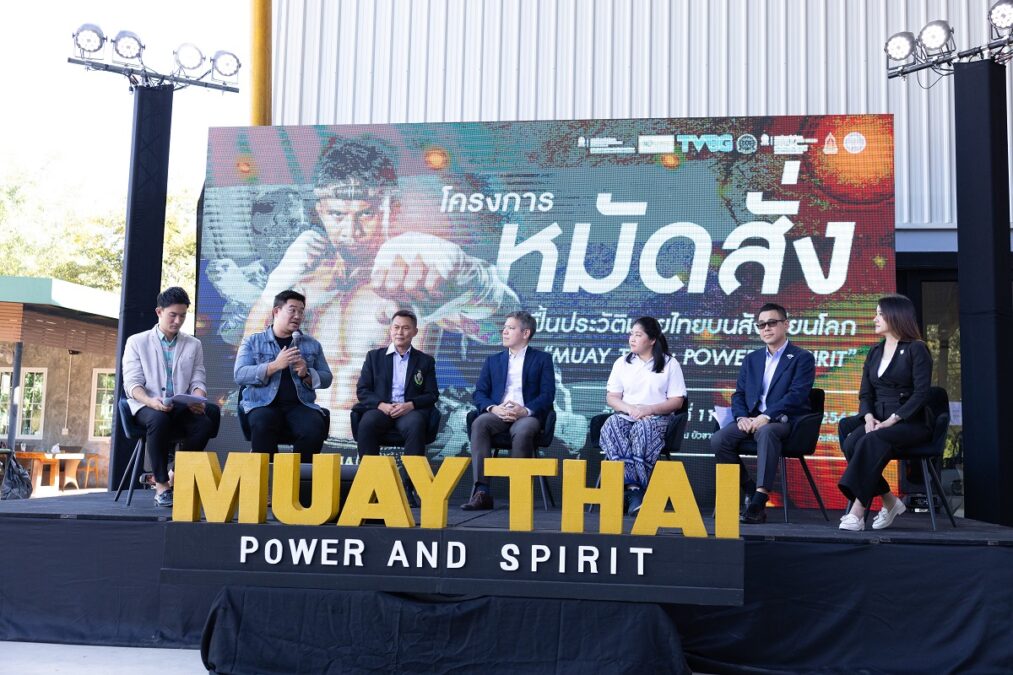
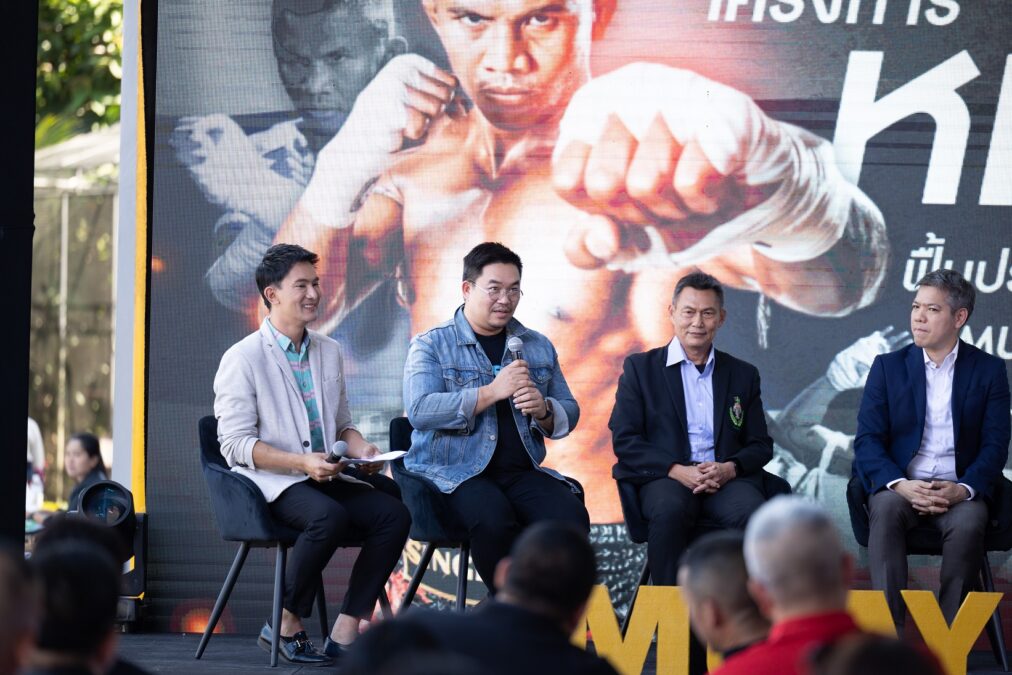
B.P.K. has provided research funding for the project “Commanding Fists: Reviving Muay Thai History on the World Stage,” led by Professor Sunet Chutinatharanon, Ph.D., Director of the Center for Multicultural Studies and Social Innovation at the Institute of Asian Studies, Chulalongkorn University. The project aims to produce a historical documentary about Muay Thai, covering its background, origin, and the unique art and movements distinct to different regions, connected to local wisdom, profound concepts, and deep philosophy, with the main feature being Lieutenant Sombat Banchamek (Buakaw), a world-renowned top-level Muay Thai fighter. The documentary, funded in part by TV Burapha Co., Ltd., will be one episode, 30-45 minutes long, for public agencies or non-commercial use. On January 11, 2024, the Institute of Asian Studies at Chulalongkorn University and related agencies organized an academic seminar to present the project “Commanding Fists: Reviving the History of Muay Thai on the World Stage” at Buakaw Village, Mae Taeng District, Chiang Mai, and launched the documentary “MUAY THAI: POWER & SPIRIT,” with Associate Professor Chaleeda Barompichaichartkul, Deputy Director of PMUC, participating in the opening ceremony.
Associate Professor Pavika Srirattanaban, Ph.D., Director of the Institute of Asian Studies, Chulalongkorn University, stated that the current approach to developing Thailand, particularly the creative development approach, focuses on using creativity, technology, and innovation derived from cultural capital. This is especially true for high-value culture and services such as food, music, film, literature, art, crafts, design, fashion, sports, and tourism, which have made cultural values more prominent. At the same time, it also creates and adds economic value, extending its impact to various related sectors comprehensively, at local, national, and international levels. The Institute of Asian Studies has a primary mission of studying, researching, and developing knowledge about Asia, including its relationships with Thailand. It focuses on both area-based and issue-based research. The project “Commanding Fists: Reviving Thai Boxing History on the World Stage” is a significant applied research work led by Professor Dr. Sunet Chutinatharanon, Director of the Center for Multicultural Studies. This project deeply and beautifully presents the value and spirit of Thai boxing.
Associate Professor Dr. Chaleeda stated that PMUC is a funding agency that aims to support entrepreneurs, both in the private and public sectors, to enhance their competitiveness in various fields, including food, agriculture, medical health, digital technology, energy, automotive, and creative economy or “Soft Power.” This involves transforming familiar local cultural contexts into economic value. This project will serve as an example to demonstrate how Thai boxing can achieve international recognition.
“PMUC provides funding to entrepreneurs to collaborate with researchers in transferring technology, whether it be knowledge or research in arts and culture, to be transformed into content, documentaries, films, or dramas. It is gratifying that the project’s goals, supported by PMUC, align with the objectives of the Global Partnership program. This involves international collaboration, especially with South Korea and Thailand’s Ministry of Foreign Affairs, to promote these stories on the world stage. It enhances capabilities and leads to expansion through international networks, bringing domestic business benefits, particularly in tourism, communication, documentaries, and related trade sectors. We believe that the future expansion of this project will achieve success and yield progressive results.”
Professor Sunet Chutinatharanon, the project leader, stated that the “Commanding Fists: Reviving Thai Boxing History on the World Stage” project is a new innovation in producing cultural works on an international stage. This project is a collaboration between research institutes, funders, and the private sector, bringing research knowledge to the public by creating a tangible and accessible body of knowledge about Muay Thai, which can be transformed into knowledge for the international arena. This project showcases the cooperation of various agencies, disseminating on the international stage and extending economic benefits in many areas. “Buakaw has one unique attribute: he is ‘a living Soft Power,’ a crucial value that completes the project,” said Professor Dr. Sunet.
Professor Dr. Sunet also emphasized that the success that will occur is not accidental but a cultivation and accumulation of knowledge, experience, and various other elements from different sectors, each with its own expertise, combining their strengths. However, these achievements would not be possible without funding support from both the public and private sectors. This project is a significant showcase indicating that “social, cultural, or humanities work can be fully productive and fruitful.”
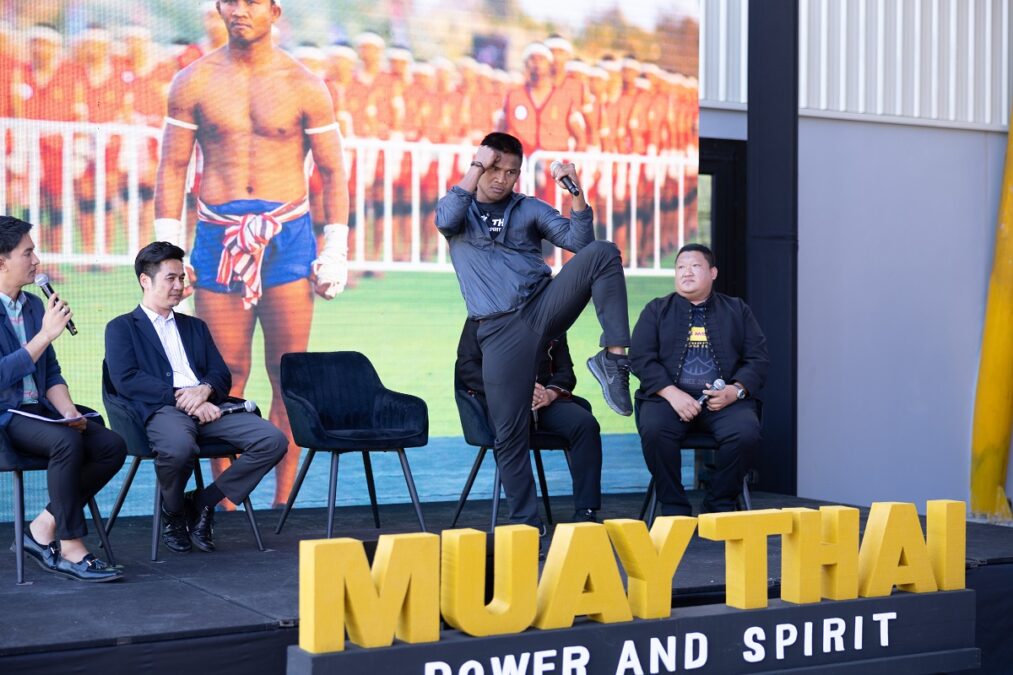
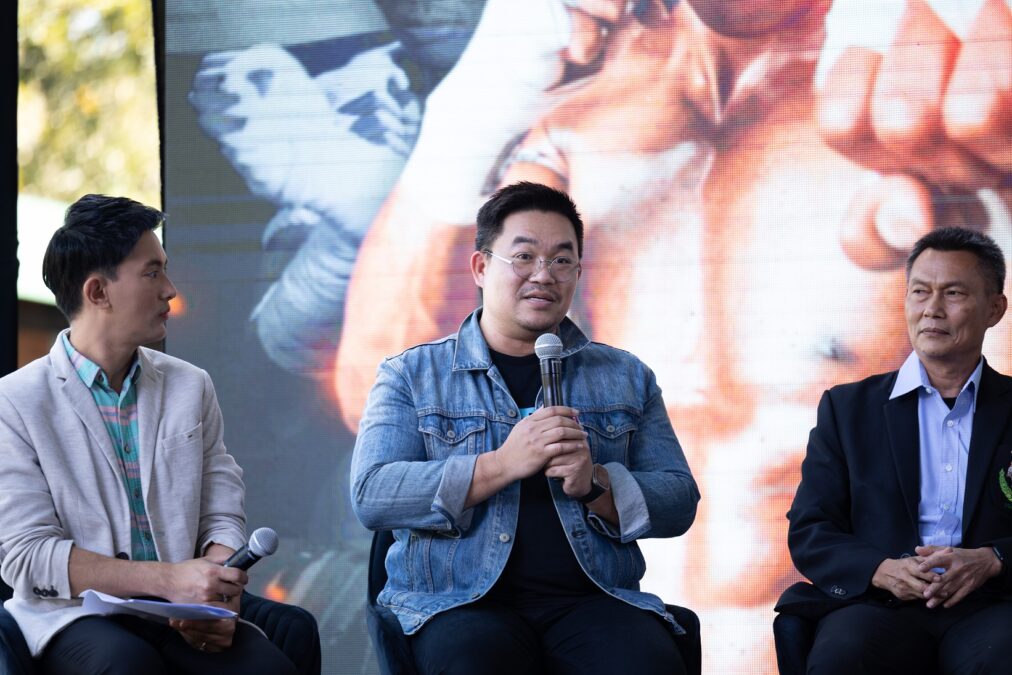
In the morning, there was a seminar on the topic “The Value and Importance of Muay Thai as a Cultural Heritage,” attended by Lieutenant Sombat Banchamek (Buakaw), Mr. Chakrit Sitthirit, Director of the Cultural Heritage Management Group, Department of Cultural Promotion, Ministry of Culture, Dr. Akkaradej Suphanphai, a lecturer in Public Administration at Surindra Rajabhat University, and Acting Sub-Lieutenant Teerawat Yuiyim, manager and trainer of ‘Buakaw.’
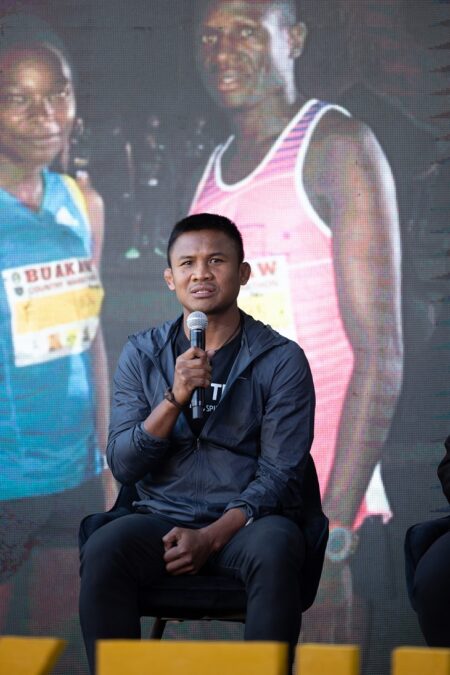
“Lieutenant Sombat Banchamek” or “Buakaw,” a world-renowned Thai boxer and executive of Banchamek Company Limited, spoke about the importance of being a boxer, emphasizing discipline and understanding one’s responsibilities. He explained that his journey required cultivation and effort. Boxing is not just about winning or losing but also about creating stories that generate a sense of power and various experiences within oneself. Hearing different stories about Muay Thai today made him feel that his efforts were on the right path, providing him with the energy to invest and dedicate himself to what he has built. He hopes everyone can experience and become more interested in Muay Thai.
Dr. Akkharadech Suphanfai, a professor of public administration at Surin Rajabhat University, stated that Muay Thai is not just about fighting, combat, or the art of Muay Thai itself. It also encompasses lifestyle, culture, and community. When he met Buakaw in 2013, during Buakaw’s return to Surin, he had the opportunity to see Buakaw working with the locals to build a small boxing ring. Many obstacles had to be overcome to reach this point, which Buakaw conveyed through the media, gaining worldwide admiration. Many might envision foreign boxing camps as gyms or academies, but in this community, it is like a father, a teacher, a small village boxing camp. It is also a place where world-class athletes train, reinforcing that the value of Muay Thai lies not just in being the best combat sport in the world, but in the important Muay Thai lifestyle and culture present in all forms of the community.
“From the research team’s interview with Buakaw in 2013, it was found that Buakaw possessed something different from other boxers: an inner strength, which the research team described as a special determination and dedication. They called it ‘Muay Thai meditation.’ It wasn’t clear back then, but over the past ten years, it has become very clear. It is considered new knowledge, and the university has transformed Buakaw from a K1 fighter to a lecturer, extracting knowledge and teaching practical workshops. He has been invited to lecture both domestically and internationally. This is the new role of a world champion boxer. Besides lecturing, Buakaw has also performed Muay Thai dances beautifully, receiving great responses and marking another turning point in his role beyond just boxing.”
Mr. Chakrit Sitthirit, Director of the Cultural Heritage Management Group, Department of Cultural Promotion, Ministry of Culture, stated that the documentary produced aligns well with the Ministry of Culture’s objectives, especially the information that the ministry will present about Muay Thai to UNESCO. It needs to highlight the differences between Muay Thai and other forms of boxing or martial arts. The rituals of Muay Thai, including the Wai Khru ceremony, are unique selling points that cannot be imitated. Part of Muay Thai is its lifestyle. We have the Wai Khru and the Krob Khru, traditional ceremonies embedded within Muay Thai, which have been passed down through generations. This seminar showcases how the future of Muay Thai can progress. The Ministry of Culture has continually promoted Muay Thai, registering it as national cultural heritage in 2010. Currently, the ministry is collecting information on five lines of Muay Thai and is in the process of creating an intellectual cultural heritage database, which will connect with the Department of Intellectual Property to prevent the loss or misuse of these cultural heritages.
Mr. Chakrit further added that currently, Muay Thai is accessible to all genders and ages. Regarding the passing down of this art from one generation to another, he wants Muay Thai to reach the educational sector. This would require changing the perception that women practicing Muay Thai will get hurt, to seeing it as a form of exercise that can be used for self-defense and also helps the economy. He strongly believes that the economic impact will create a trend, leading to awareness and learning of Muay Thai, which will ultimately add value, create expertise, and finally lead to Thailand’s strong “Soft Power,” which is Muay Thai.
In the afternoon, there was a panel discussion on “Muay Thai: Power & Spirit and the Promotion of the Country’s Image and Creative Economy,” featuring Mr. Alongkorn Ta-Ubon, a cultural project consultant from TV Burapha Co., Ltd.; Mr. Yotsaphon Sukumolnan, Ph.D., Deputy Director-General of the Department of Physical Education, Ministry of Tourism and Sports; Mr. Natthaphon Na Songkhla, Director of the Cultural Diplomacy Division, Department of Information, Ministry of Foreign Affairs; Ms. Charima Thongsawat, Director of the Film and Video Division, Office of the Permanent Secretary, Ministry of Culture; Mr. Keng Chaiwarin, Deputy Director of the Tourism Authority of Thailand, Chiang Mai Office; and Col. Nusara Woraphattharatorn, Ph.D., stationed at the Army Operations Department and advisor to the Army’s Office of Tourism and Sports Promotion.
Mr. Alongkorn made an interesting point that documentary filmmaking serves as a good starting material, using scientific methods to gather information, akin to conducting research, which can then be developed into other forms of media such as films, series, dramas, or events. The documentary project “The Power and Spirit,” which TV Burapha has the opportunity to produce based on historical research, will be made in two formats: a single-episode documentary of 45 minutes for cultural heritage promotion of Muay Thai, and a four-episode documentary totaling 60 minutes for commercial use. TV Burapha tested this documentary at the global content market at the Cannes Film Festival, where it garnered significant international interest. Foreigners find Muay Thai fascinating not only as a sport but also as a unique cultural heritage with a strong spirit. Therefore, the documentary “The Power and Spirit” can be further expanded into various economic dimensions. TV Burapha is currently considering producing a reality show where youths from various countries come to Thailand to train in Muay Thai, experiencing Thai culture in multiple aspects such as discipline and self-training, which are considered Thailand’s Soft Power, and this can undoubtedly extend to local tourism. Additionally, several government representatives highlighted the benefits of this documentary series in promoting Soft Power, viewing this project as a prime example of collaboration between public and private sectors.
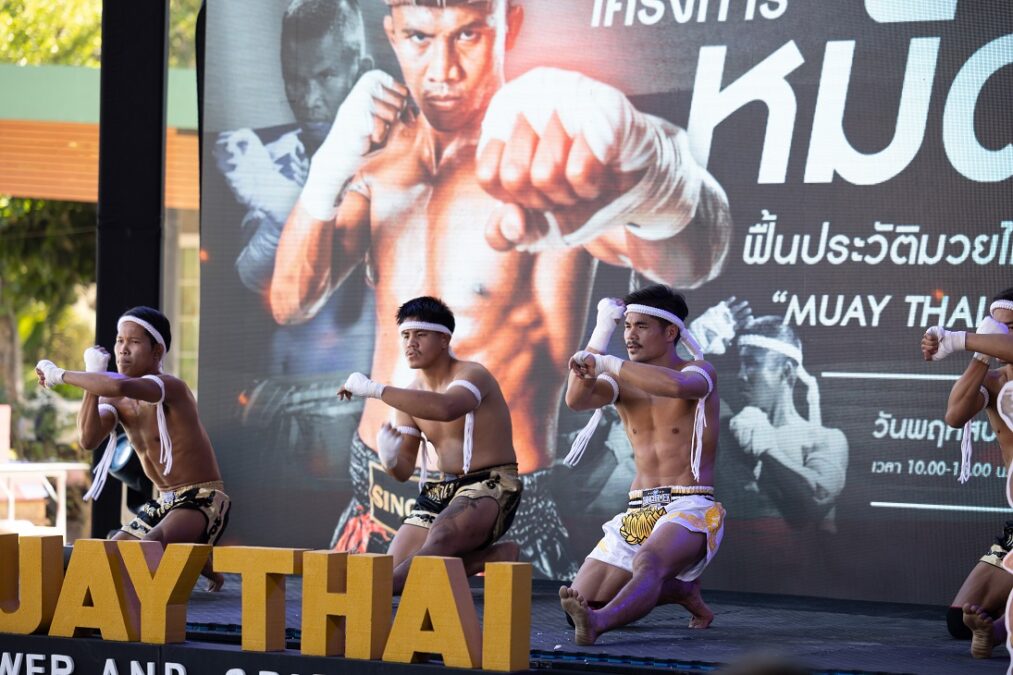
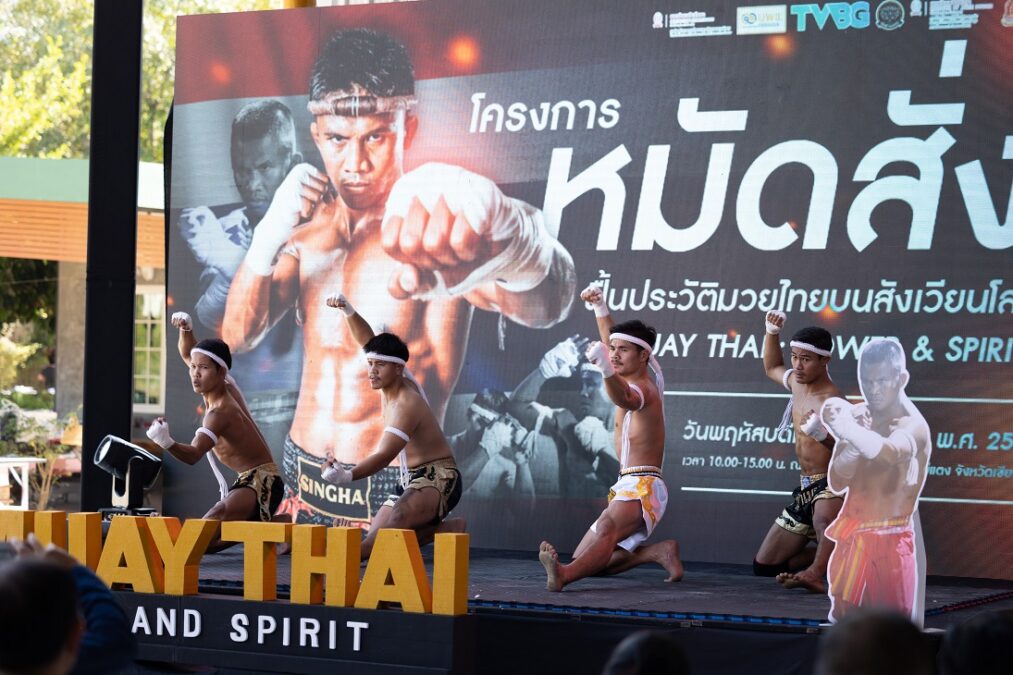
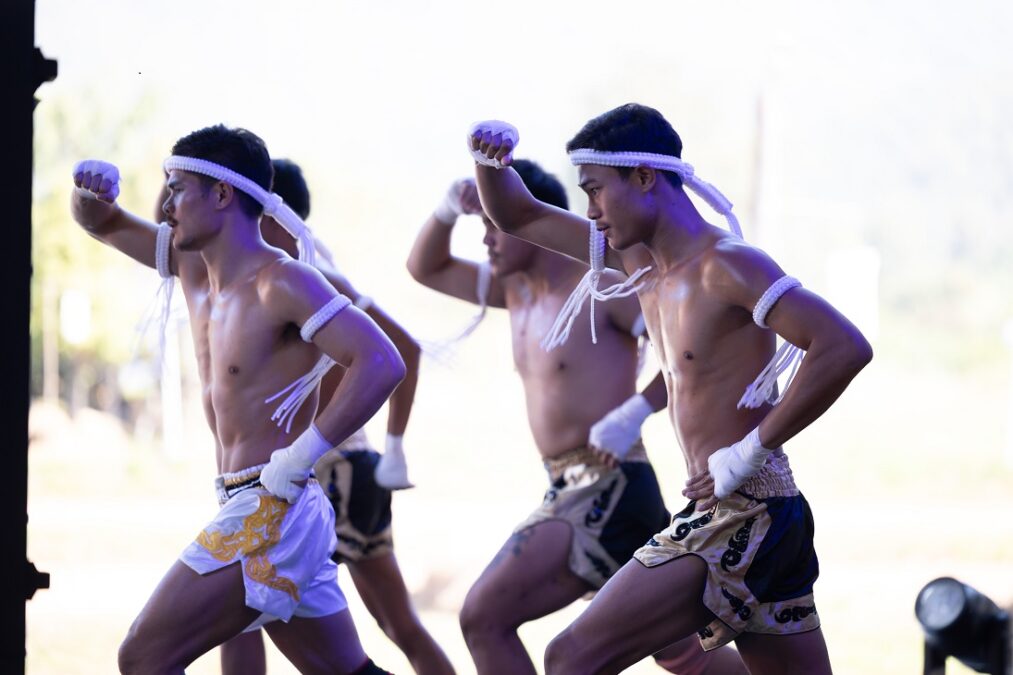
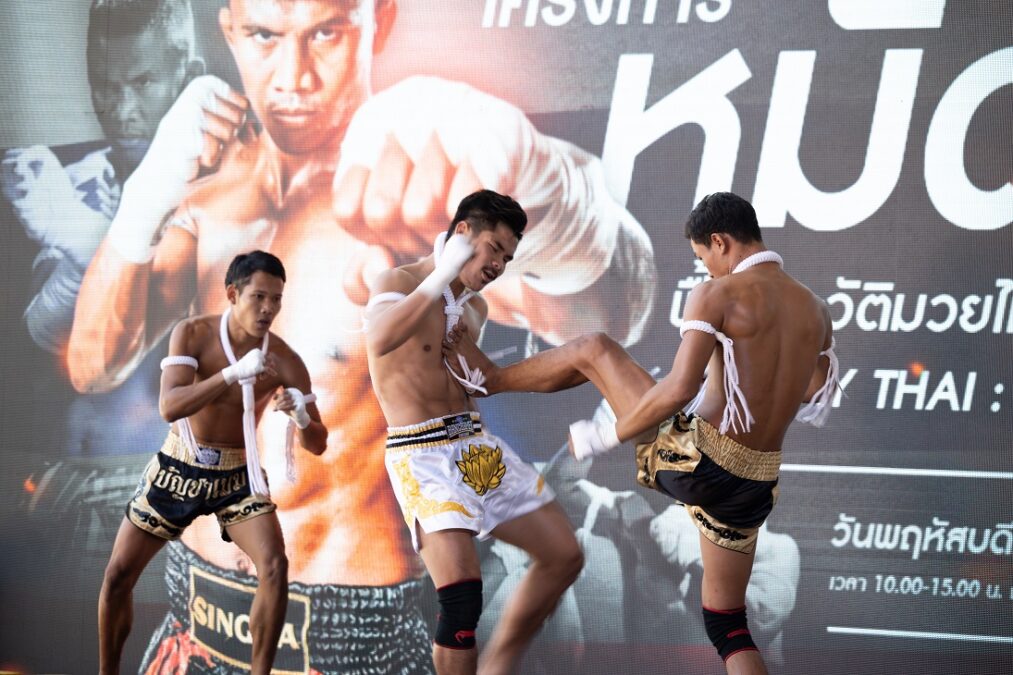
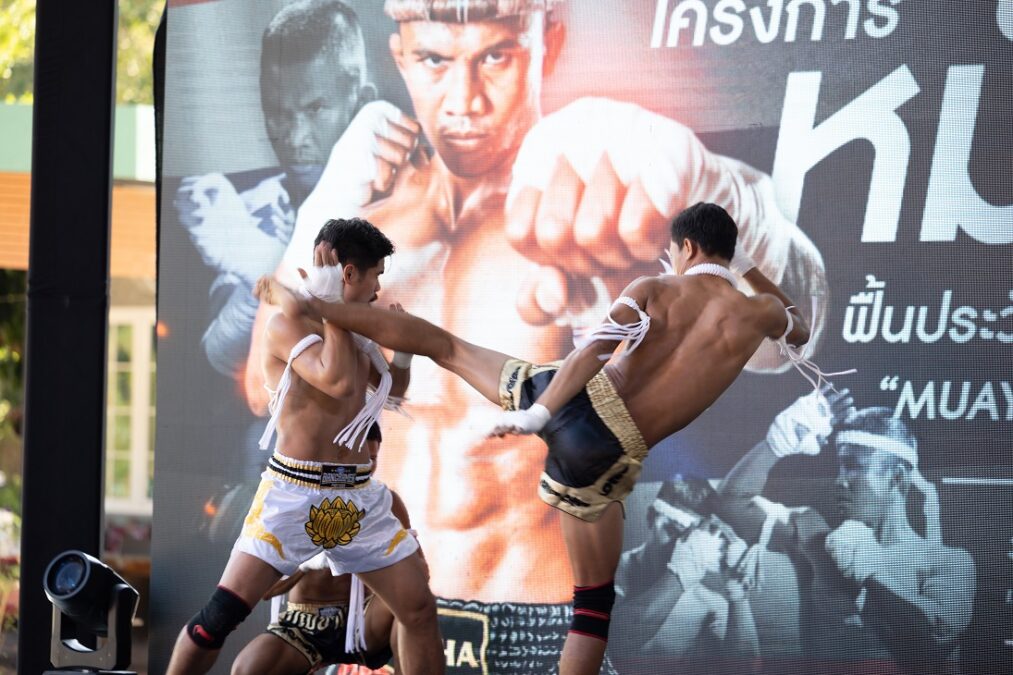
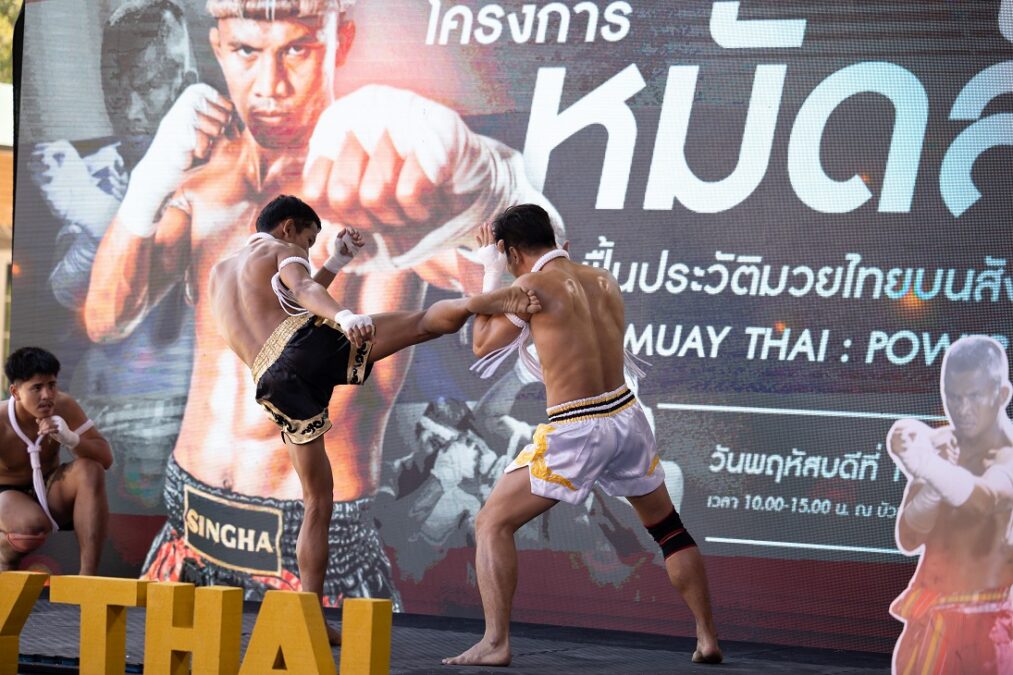
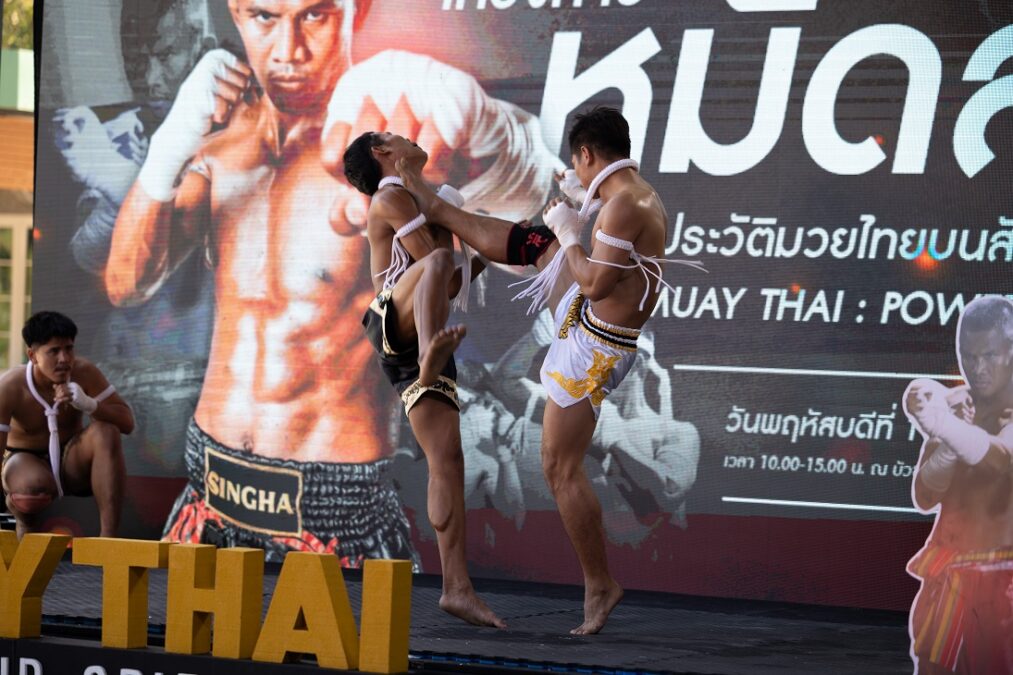
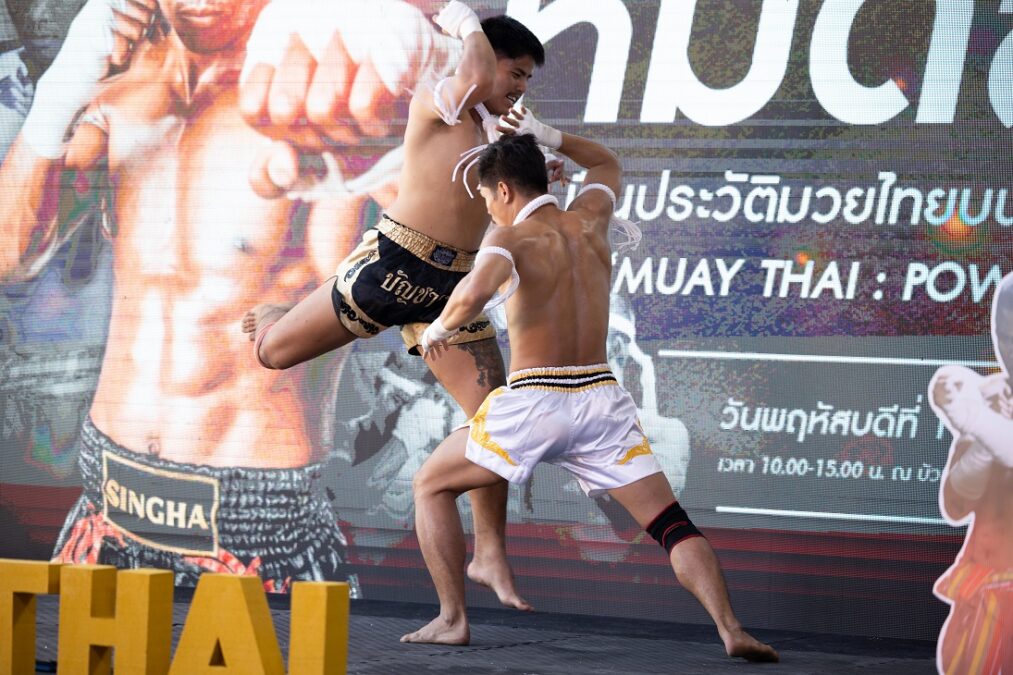
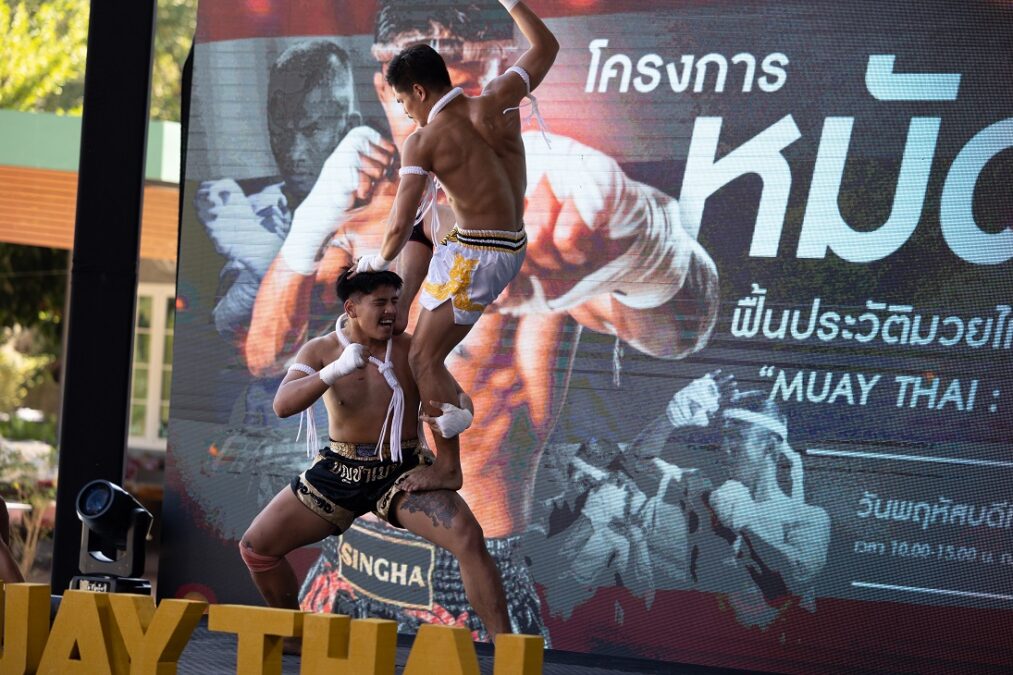
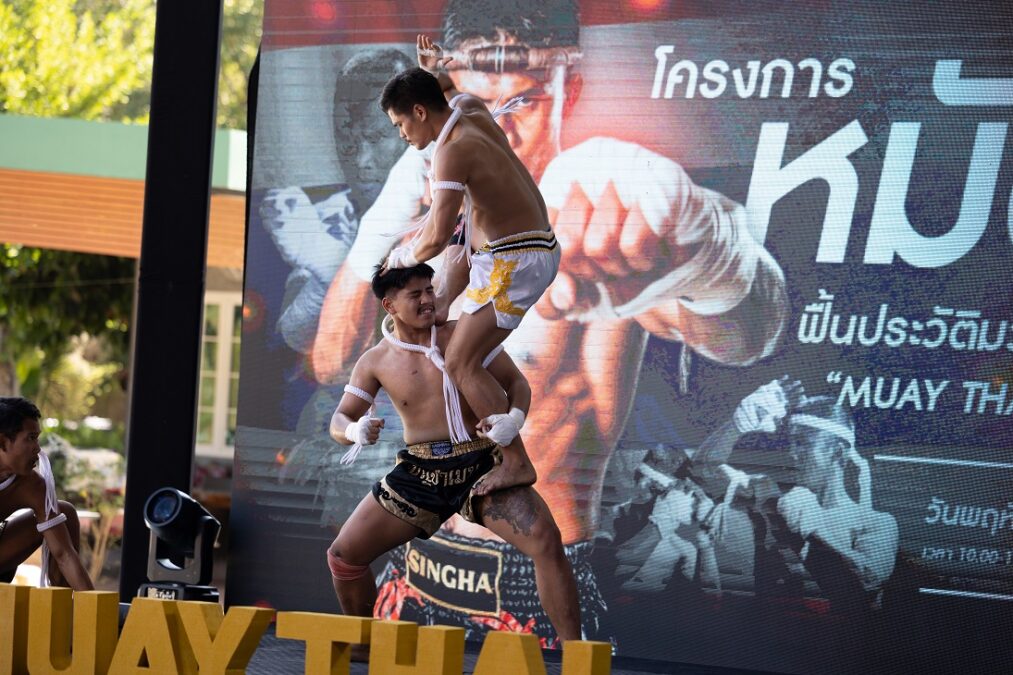
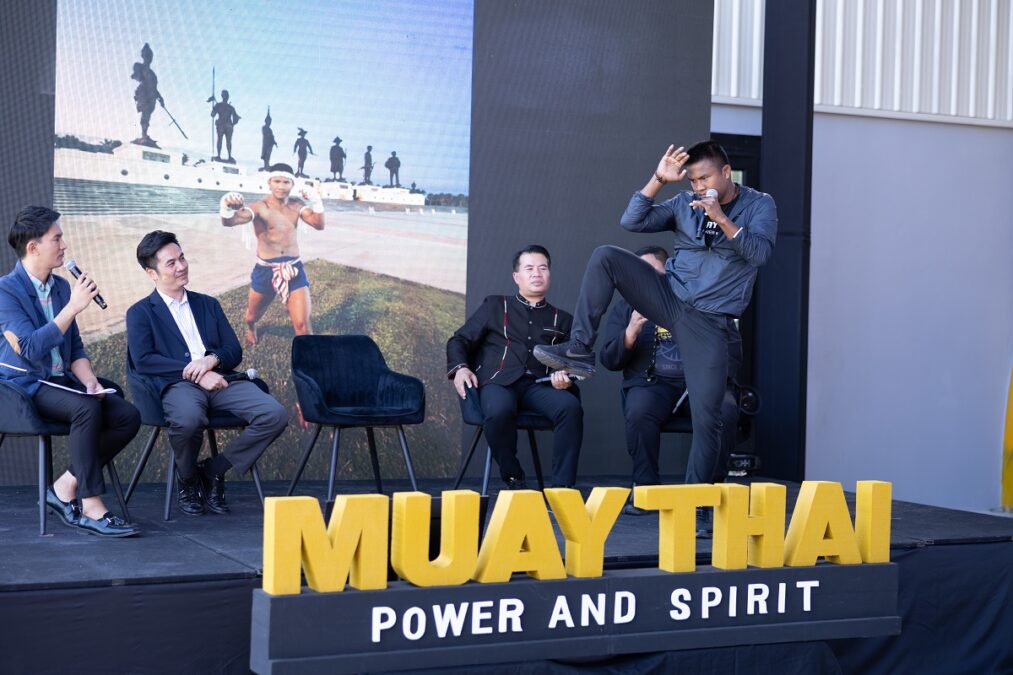
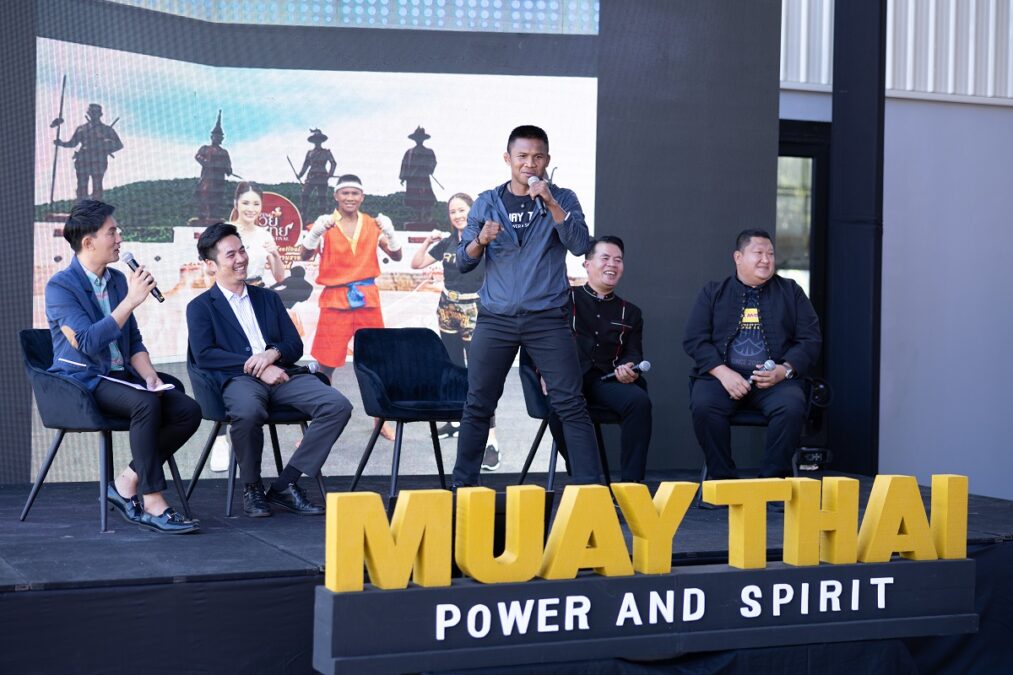
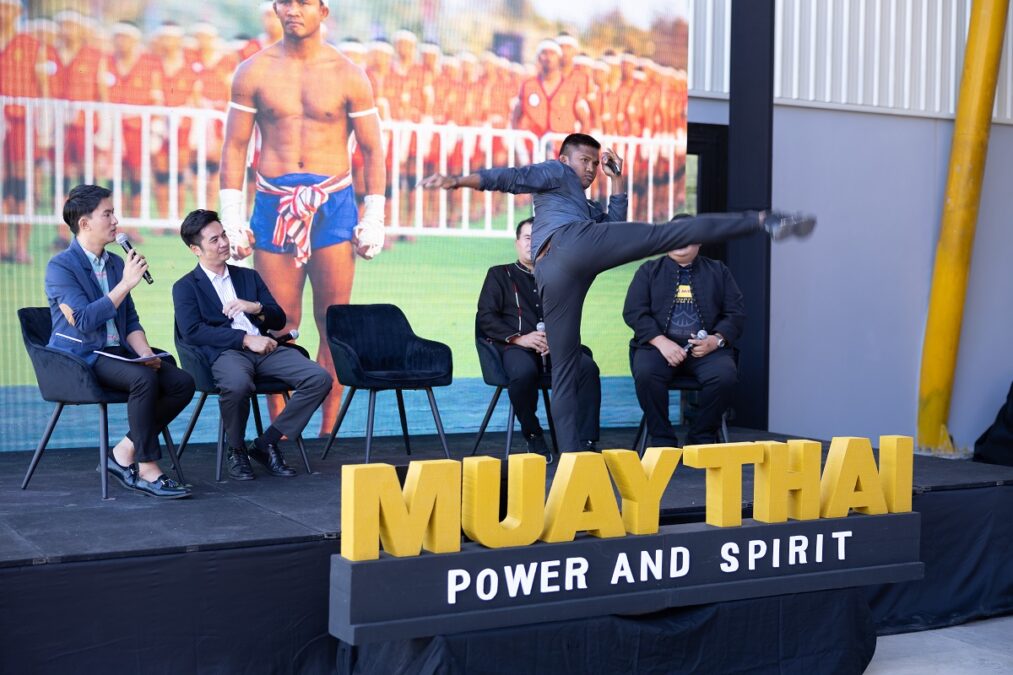
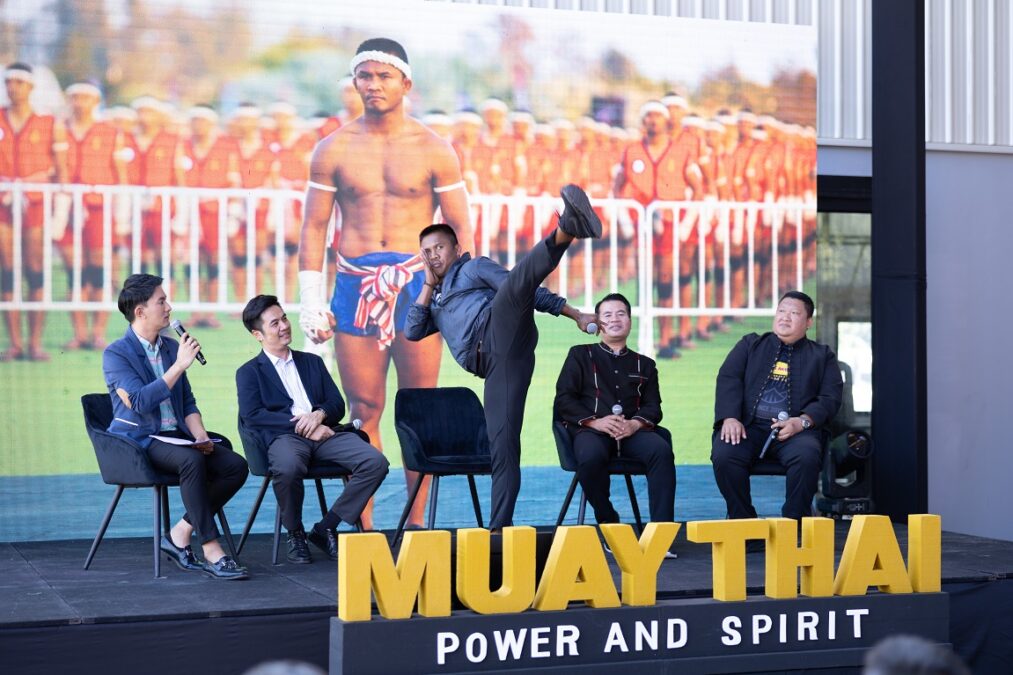
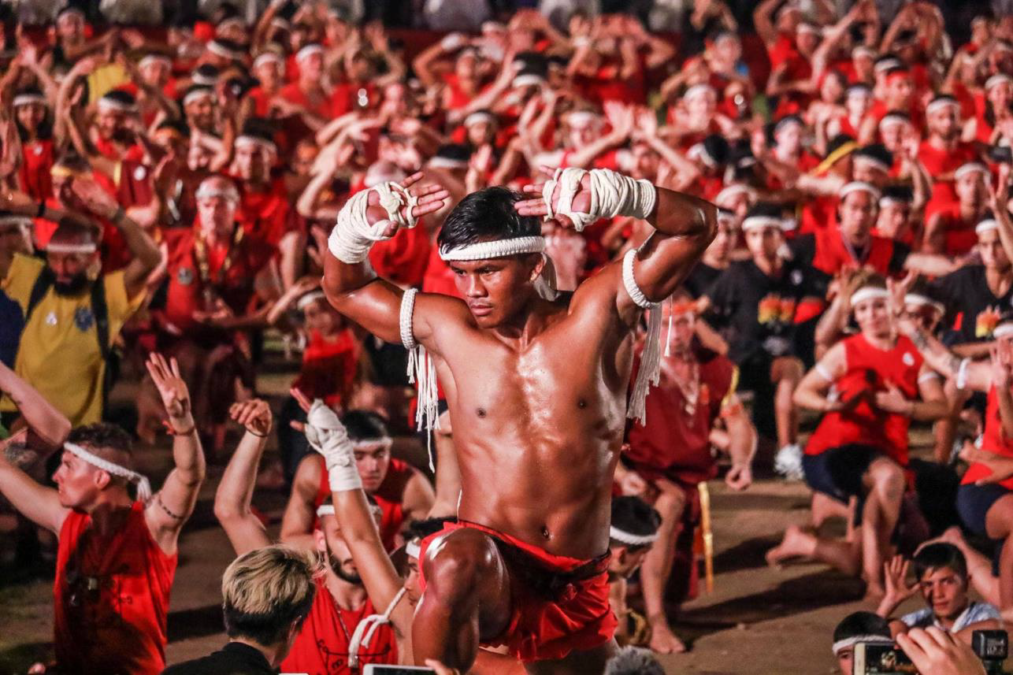
Wai Khru dance and Muay Thai techniques demonstration at the academic seminar to present the project “Commanding Fists: Reviving the Muay Thai History on the World Stage,” on January 11, 2024.