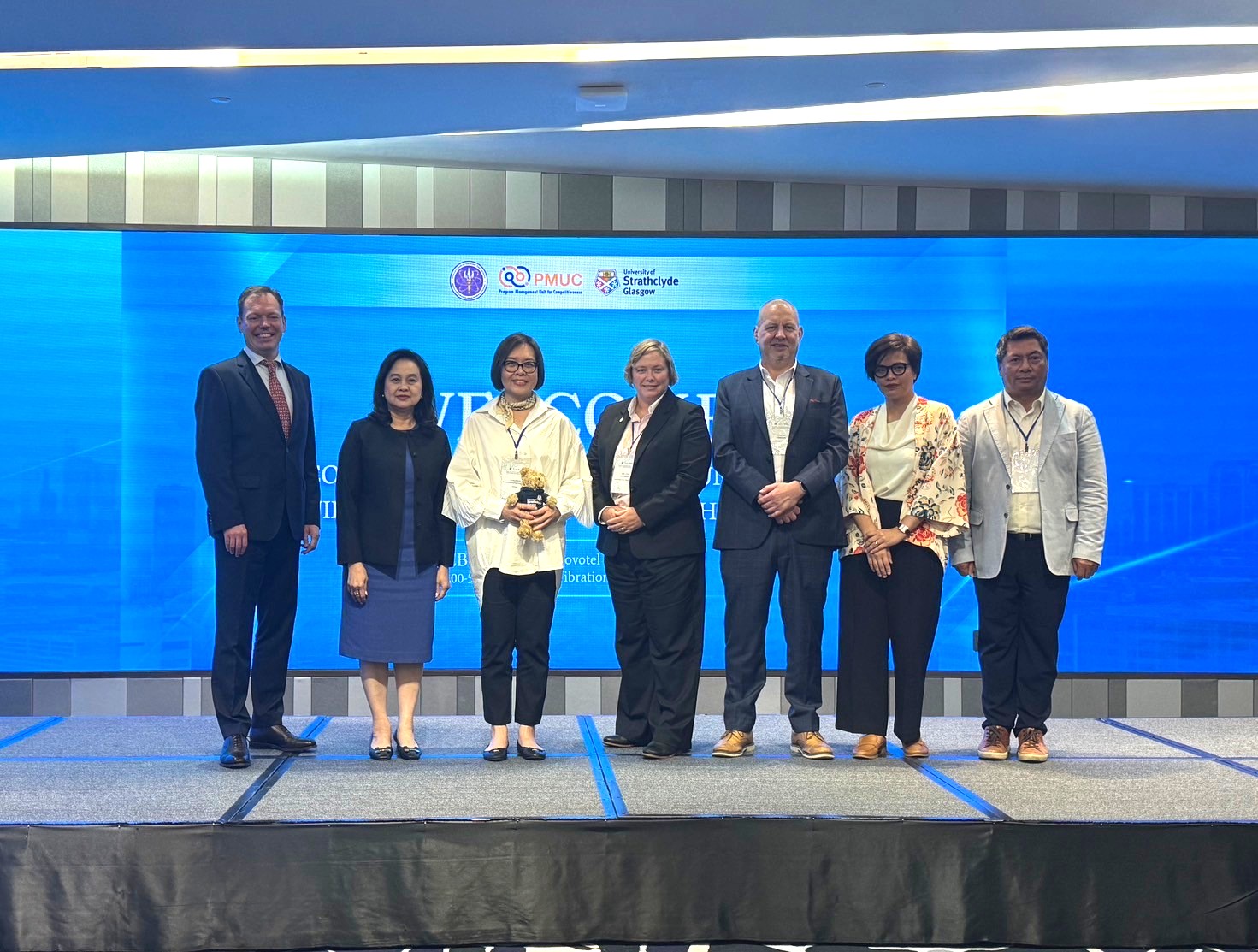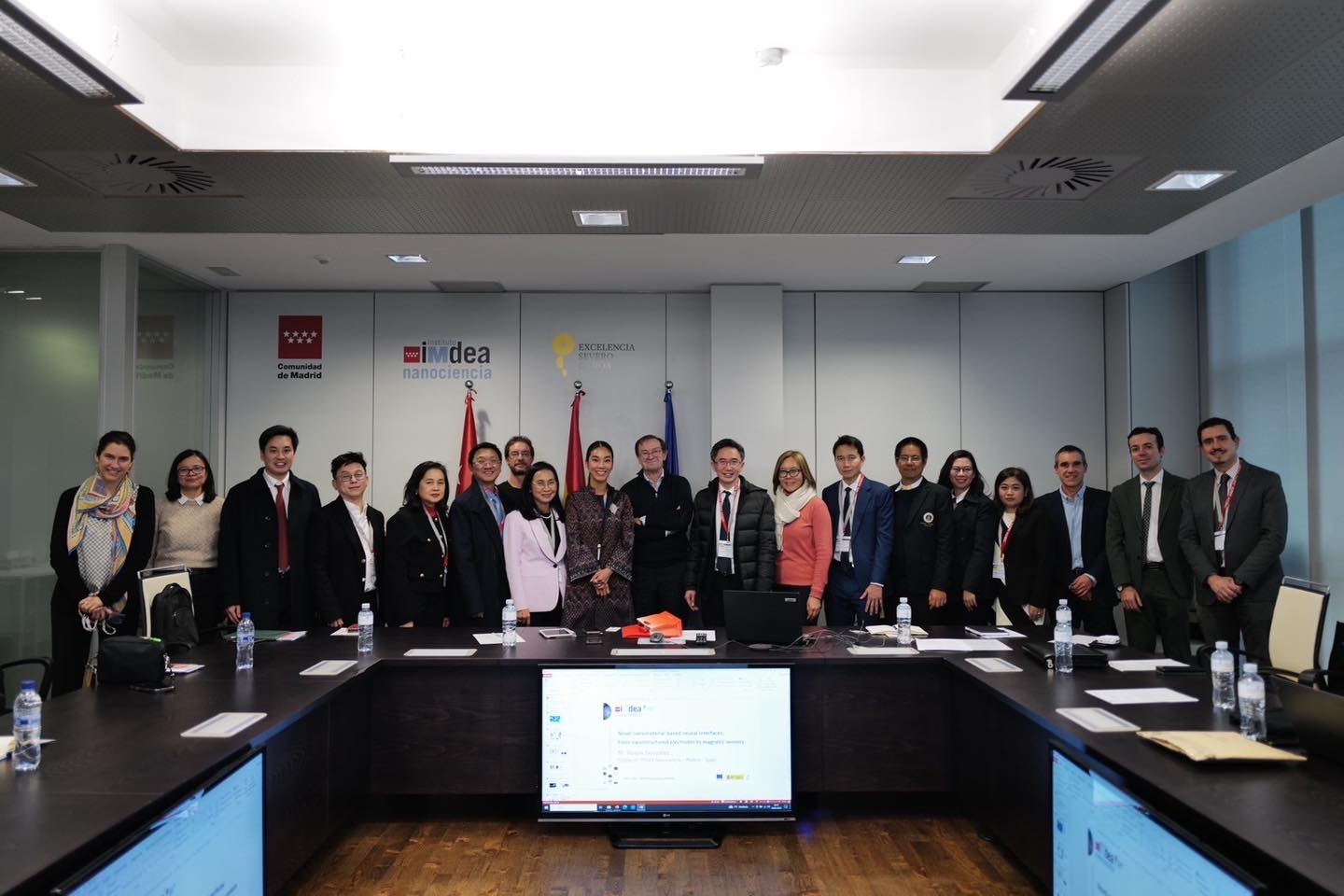


PMUC supports research funding for the collaborative research effort between Srinakharinwirot University and Winona Feminine Co., Ltd. to launch the project “Research on Testing the Efficacy of Thai Probiotic Microorganisms” aiming to create new innovations to meet the needs of female consumers aged 40+ and improve both physical and mental well-being, supporting the Thai elderly community.
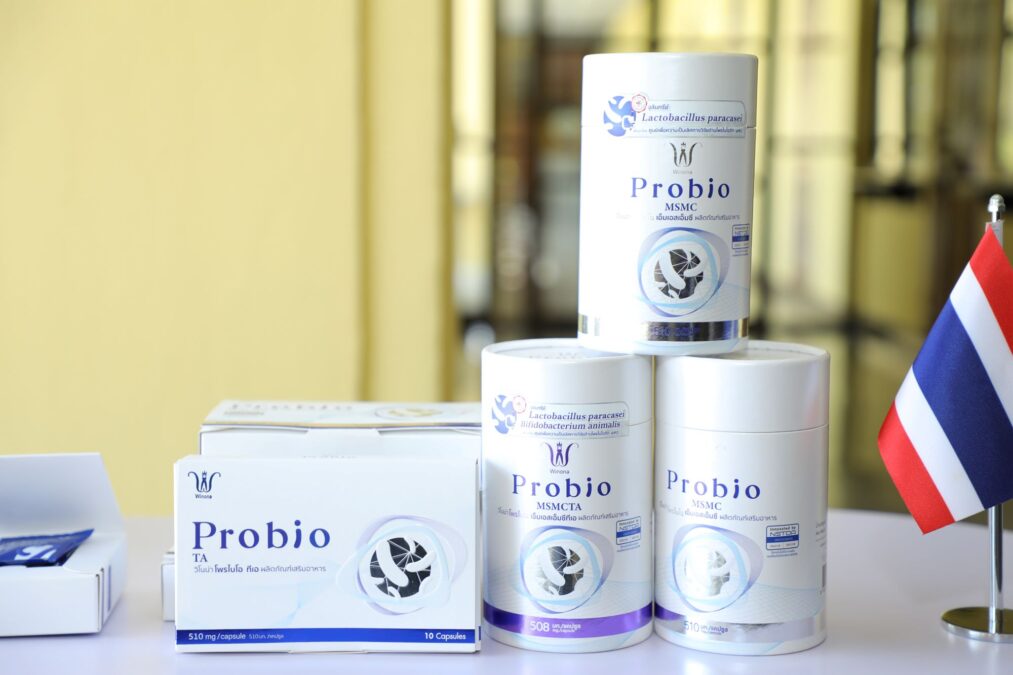
“Winona Feminine,” a Thai entrepreneurial venture for over 8 years, is dedicated to developing Thai Probiotic Microorganisms and plant hormones using natural mechanisms, utilizing biotechnology in Thailand without relying on foreign medicines.
On March 5, 2024: Ms. Nopparat Suksaranrudee, Chairperson of Winona Feminine Company Limited, stated, “Winona, as a leading health product manufacturer in Thailand, especially in women’s health, with over 8 years of expertise, has studied and collected data extensively from the target group of women over 40, identifying pain points among over 16 million women experiencing health issues, particularly in reproductive and urinary systems, who are reluctant to consult a doctor or lack understanding of their condition. Thus, they are unaware of the severity of the problem affecting their quality of life. Therefore, it is another mission of Winona to support improving the quality of life for women in their golden years to live happily. We continue to collaborate with the Department of Obstetrics and Gynecology – Faculty of Medicine, Srinakharinwirot University consistently. Today Winona is proud to be a part of the launch of the research project on testing the efficacy of Thai Probiotic Microorganisms, which is another advancement in the field of microbial innovation for Thai medical and health purposes. We aim to bring innovations derived from using biotechnology in Thailand and natural hormones to reduce reliance on chemical drugs and alleviate importation of probiotics from foreign countries. This reflects our commitment to being part of the sustainable solution for women’s overall health issues in Thailand in the long run.”

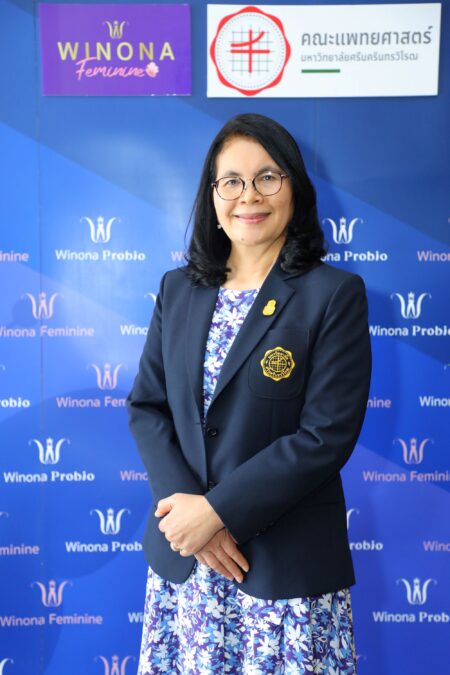
Dr. Amarin Nakwichian, MD., Deputy Dean for Administration, and Lecturer in Obstetrics and Gynecology Department, Faculty of Medicine, Srinakharinwirot University, Head of the Research Project “Commercial Production and Efficacy Testing of Thai Hybrid Probiotic Products from Plant Extracts for Environmental Impact on Biological and Reproductive Systems and Urinary Tract Conditions, Blood Sugar Levels, and Overall Health Quality of Menopausal Thai Women,” said that due to the current changes in Thai society’s population structure and entering an aging society, the problem of health-related quality of life in menopausal women has significantly increased. According to data from the Department of Provincial Administration Registry Office in 2020, it was found that the population of women aged 45 and over was approximately 20 million, with the average natural menopausal age for Thai women being 51 years old, some may experience menopause earlier. Menopause is a natural change that occurs in all women, affecting both physical and mental health, as well as family relationships. In addition, many may not be aware that menopausal women are affected in the long term due to hormone deficiency, leading to reproductive and urinary tract issues, osteoporosis, increased risk of heart and vascular diseases, and Alzheimer’s disease, among others, posing a threat to their quality of life. Currently, the main treatment for symptoms related to reproductive and urinary tract systems in menopausal women is the use of estrogen hormones inserted vaginally, which has limitations in terms of duration and can cause concerns about side effects. Therefore, doctors have sought new approaches focusing on disease prevention and balancing environmental conditions in the birth canal with probiotics. This research project is a collaboration between Winona Femina Company Limited and the Department of Obstetrics and Gynecology at the Faculty of Medicine, Srinakharinwirot University, developing commercial products from two Thai hybrid probiotic strains developed by the Center of Excellence in Biotechnology Research at SU, using plant extract, especially from soybeans with mild phytoestrogen properties, suitable for post-menopausal women, to study their clinical efficacy and apply for registration with the Thai FDA, with the potential for commercial production. This project is supported by PMUC.

Assoc. Prof. Malai Thawichotiphat, Head of the Center for Excellence in Biotechnology Research, Deputy Dean for Research, Faculty of Medicine, Srinakharinwirot University, who has been specializing in separating Thai probiotics for 15-20 years, said, “Probiotics are a type of microorganism that exists in everyone’s body from birth and stays with us throughout our lives, primarily in the gastrointestinal tract. At the same time, it is also found in the reproductive system of women. The important point is that we have these microorganisms, especially Lactobacillus, which are located in the reproductive organs of women and act as protectors against infection. It’s a natural mechanism that helps significantly. Therefore, our responsibility is to maintain their numbers as much as possible. This is the most important principle of using probiotic bacteria to help prevent infection naturally. Additionally, if two types of bacteria, Lactobacillus paracasei MSMC 39-1 and Bifidobacterium animalis TA-1, are used, they will also help reduce glucose and lipid in the blood.”
With aging, changes in overall health and dietary habits lead to changes in the body’s bacteria. Currently, the use of probiotics has rapidly become a trend, especially during the COVID-19 period, which has led people to pay more attention to health and seek alternatives to medication. Probiotics are something that exists in our bodies and are beneficial for protecting reproductive organs from infection. When they are in other organs, such as the intestines, they help improve digestion by producing certain substances to aid in nutrient absorption, reduce sugar, reduce fat, and prevent intestinal permeability issues by balancing and increasing the adhesion of intestinal tissues.
Associate Professor Wanee Chonhenchop, Ph.D., Chairperson of the High-Value Food Subcommittee, PMUC. She stated that the High-Value Food Plan aims to elevate production and exportation of Functional Ingredients, Functional Food, and Novel Food by utilizing agricultural resources of the country. This will be achieved through research, technology, and innovation in alignment with the BCG economic approach, providing research funding across various dimensions. This includes infrastructure, pilot plants capable of serving SMEs in scaling up production, strengthening registration processes, and various production and testing standards.
PMUC has supported funding for the development of Thai probiotic strains in numerous projects, ranging from infrastructure to scaling up, and analysis, with research teams from the National Center for Genetic Engineering and Biotechnology (BIOTEC) playing a significant role in driving the potential for Thai probiotic product manufacturing. This culminated in the development project of “Thai probiotic product blended with plant extracts to combat biological environmental conditions and reproductive system and urinary tract disorders, blood sugar levels, and to care of the overall health of postmenopausal women in Thailand,” which marks another significant step towards entering both domestic and international markets with Thai probiotic products.

Pathways to enhance the production potential of Thai probiotic strains through research funding by PMUC.
PMUC has provided research funding for the project “Infrastructure and Technology Platform for the Production of Functional Substances from Microbial and Synthetic Biology at an Expanded Scale.” Dr. Kobkul Laoteng, Ph.D., Director of the Functional Ingredients and Food Innovation Research Group, National Center for Genetic Engineering and Biotechnology (BIOTEC), leads the project to arm the “BIOTEC Bioprocessing Facility (BBF)” in supporting the functional substance industry and food industry through the application of bioprocessing technology and scaling up production from microbial resources in the country and synthetic biology.

BBF provides services to various entrepreneurs including startups, SMEs, and large enterprises in expanding production scale from microbial level to prototype factory level for products in the categories of food additives, nutrients, nutritional supplements, as well as research services for researchers, production services for field testing, clinical trials, product registration, and market testing under Codex GHPs and HACCP standards and in accordance with Good Industrial Large Scale Practice (GILSP) guidelines. This is facilitated by tools/machinery and equipment ready for production, such as bioreactors for microbial cultivation, continuous centrifuges, cell disruption machines, ultra/nanofiltration equipment, spray dryers, freeze-drying machines, tumble mixers, vertical liquid packaging machines, and powder product packaging machines, high-pressure steam sterilizers, autonomous water quantity measurement devices, oxygen-deprived microbial cultivation cabinets, and equipment for analyzing metabolites.
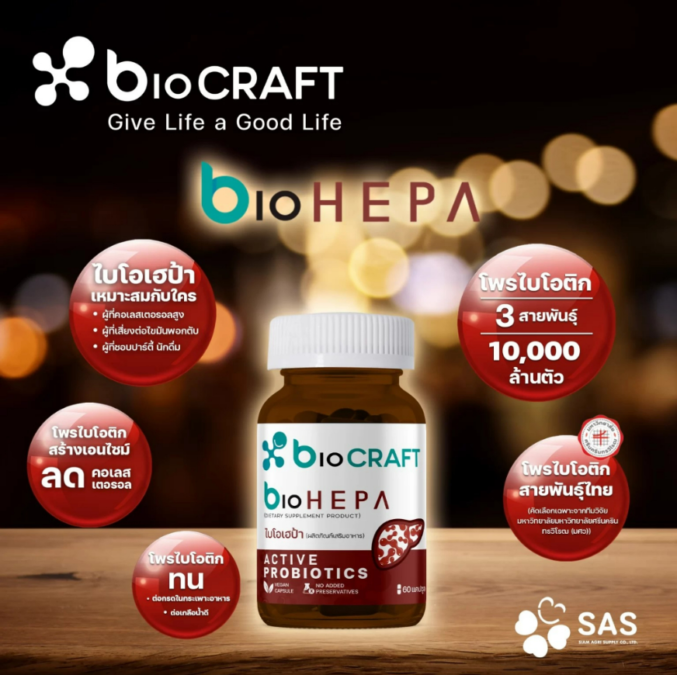
Additionally, there is another project called “Development of Probiotic Products for Metabolic Syndrome Patients” studying the benefits of probiotics for health, especially for gastrointestinal and metabolic systems, to support health-conscious consumers and the rapidly growing probiotics market, while reducing the import of probiotics from foreign countries. This project has developed probiotic supplements with 3 strains, namely Lactobacillus paracasei MSMC 39-1, Lactobacillus reuteri TF314, and Bifidobacterium animalis TA1, which exhibit properties of reducing symptoms related to abnormal metabolic syndromes (such as reducing cholesterol levels and liver inflammation leading to fatty liver disease). These products have been successfully developed into finished probiotic products, branded as “bioHEPA,” registered with FDA, and commercially launched.
Another supported project is the development of Thai probiotic strains aimed at improving women’s quality of life, specifically the project “Development of Manufacturing Process for Probiotic Products for Women.” Dr. Kobkul Laoteng, from Biotech, leads this project, integrating scientific and technological expertise with business planning and management to successfully develop high-value product manufacturing processes for the sustainable new food industry of the country. This project has developed Thai probiotic supplements using L. paracasei MSMC 39-1, leading to the development of industrial-scale probiotic powder production processes. These are used to produce nutritional supplements in collaboration with Winona Feminine Co., Ltd. under the brand “Winona Probio,” which will be further studied for clinical efficacy and registration with the FDA. Additionally, the project aims to develop a fermentation filtrate or postbiotics, which exist in the fermented byproduct of the probiotic cell cultivation process, which possesses antioxidant and anti-inflammatory properties, and is used as a functional ingredient in the production of feminine hygiene products under the brand “Winona Postbio Feminine Wash.”