
On ready to continue advancing as a learning center, supporting state policies to drive sustainable industry, enhancing competitiveness, and aiming to be a responsible industry leader.
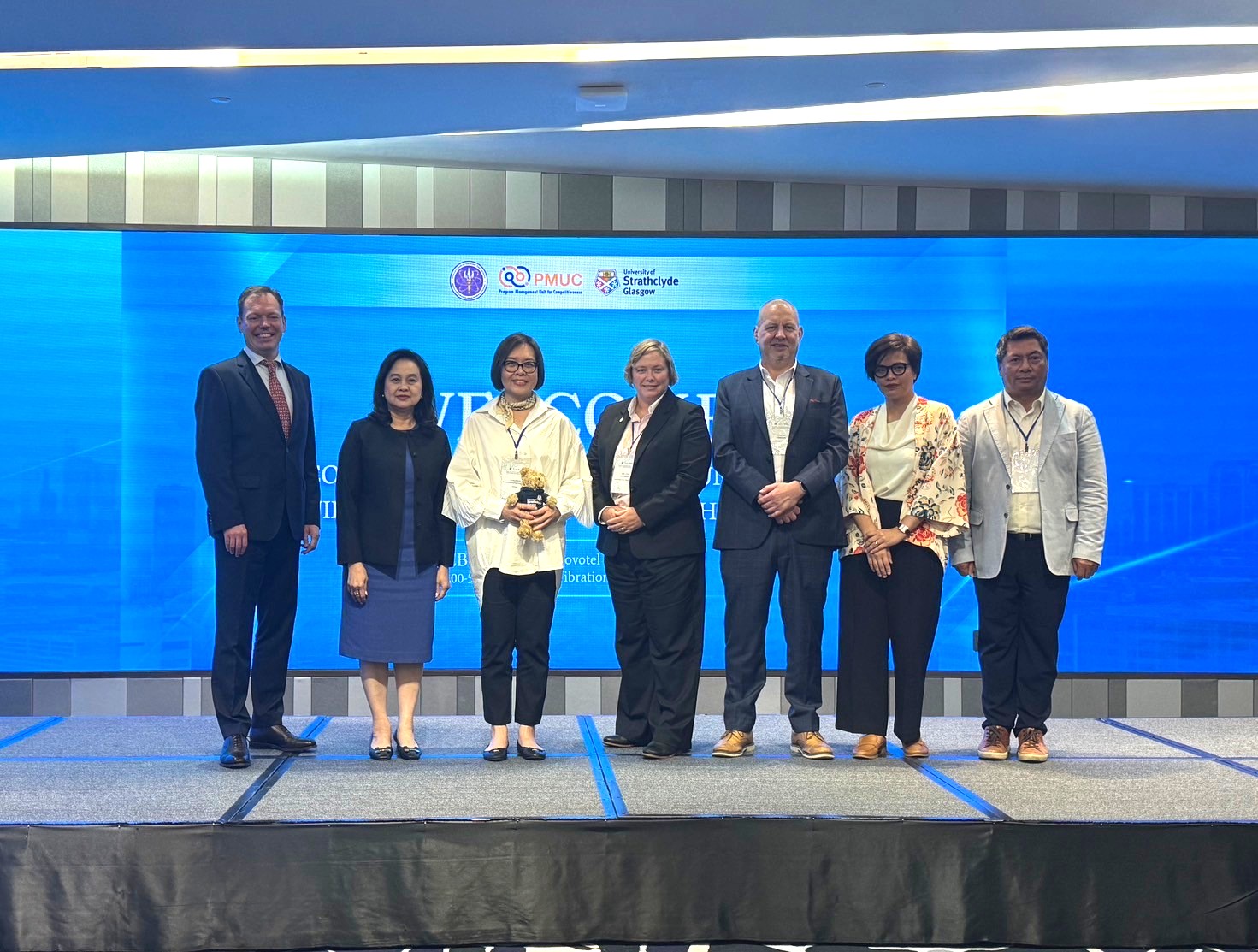
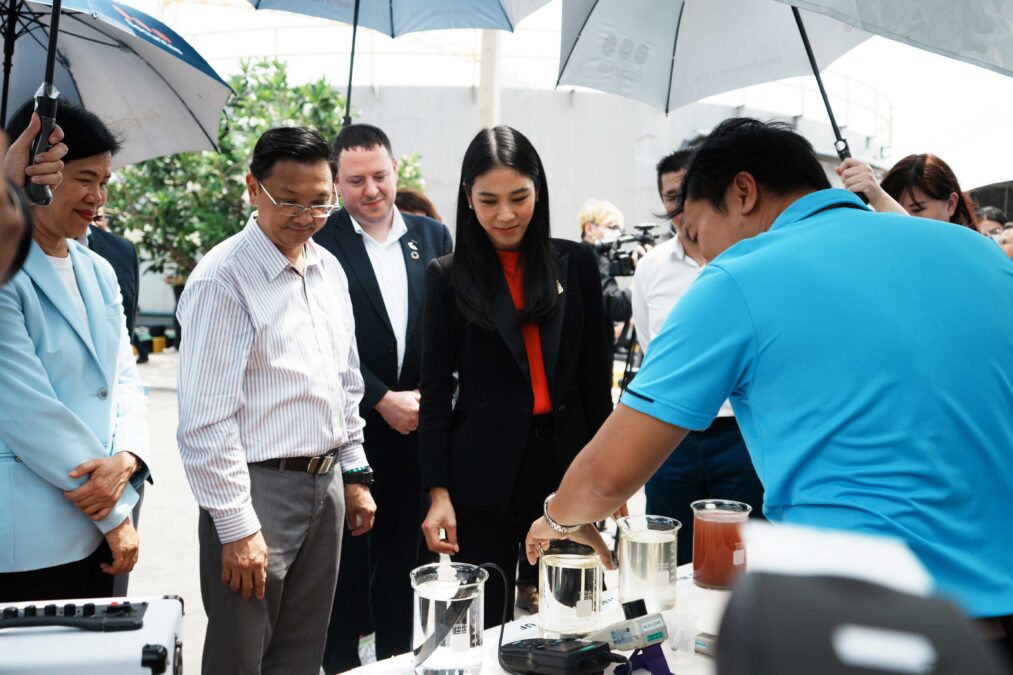
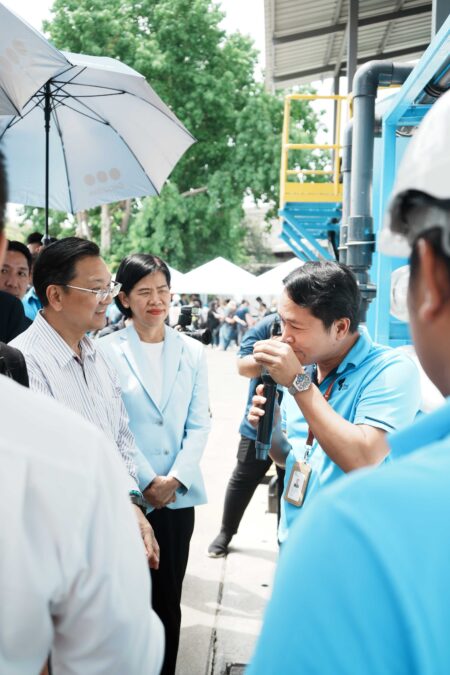
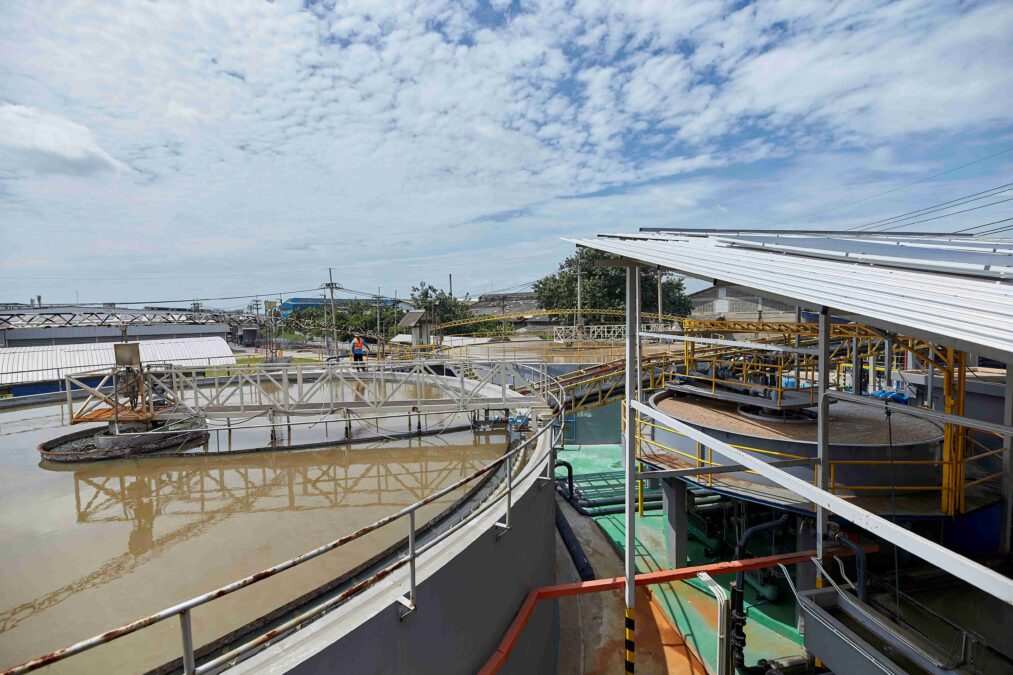
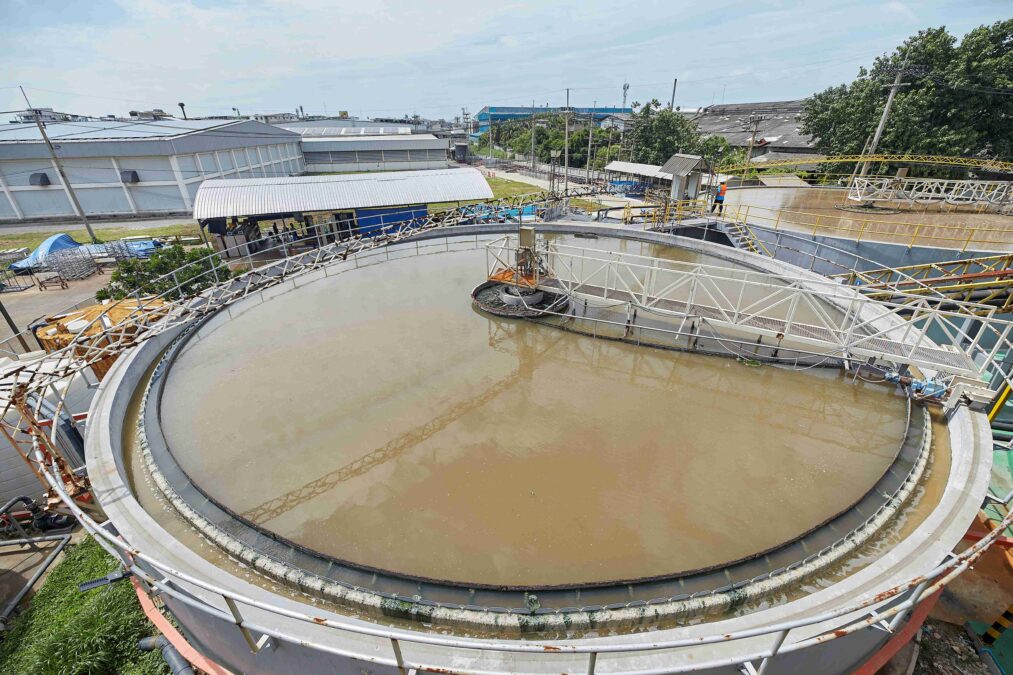
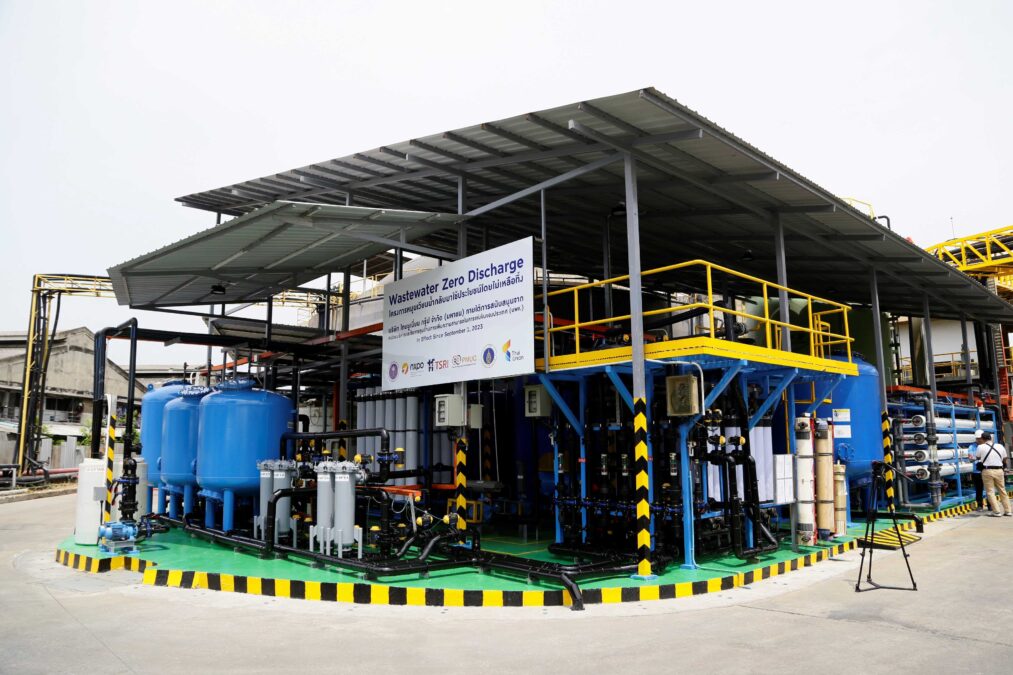
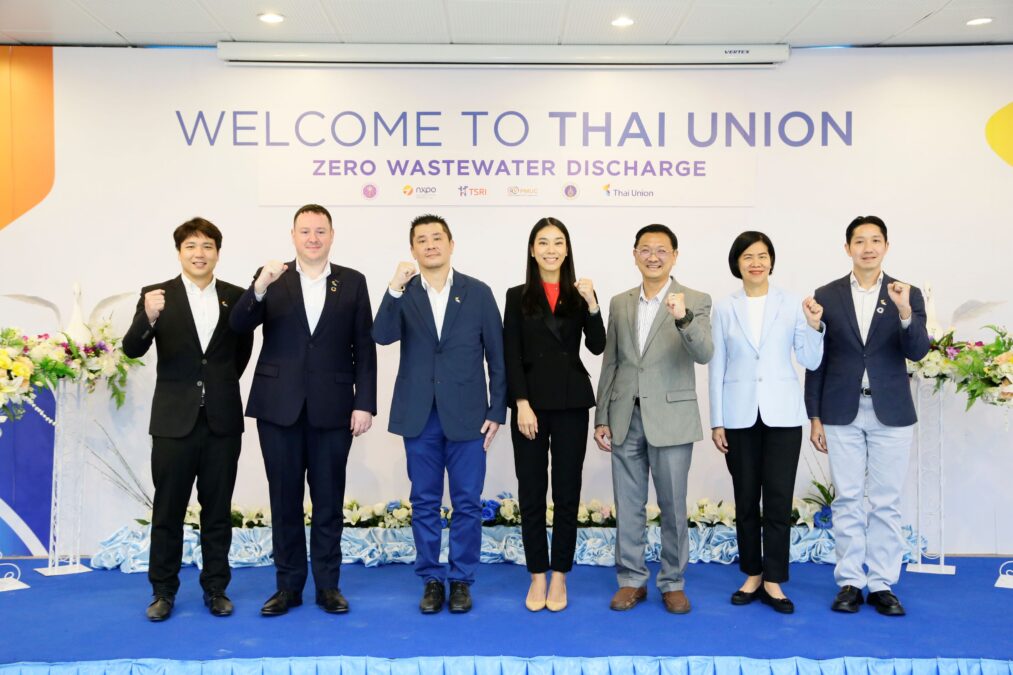
Samut Sakhon – March 28, 2024 – Thai Union Group Public Company Limited, a global leader in the seafood industry, joins forces with the Program Management Unit for Competitiveness (PMUC) under the Ministry of Higher Education, Science, Research, and Innovation (MHESI) to announce the success of the Zero Wastewater Discharge project under the research program “Development of a Prototype Wastewater Treatment System Centered on Circular Water Management for Industrial Wastewater Reuse” by Thai Union, serving as a prototype factory for the installation and operation conducted by Thai engineers who have successfully standardized wastewater management systems with 100 percent efficiency.
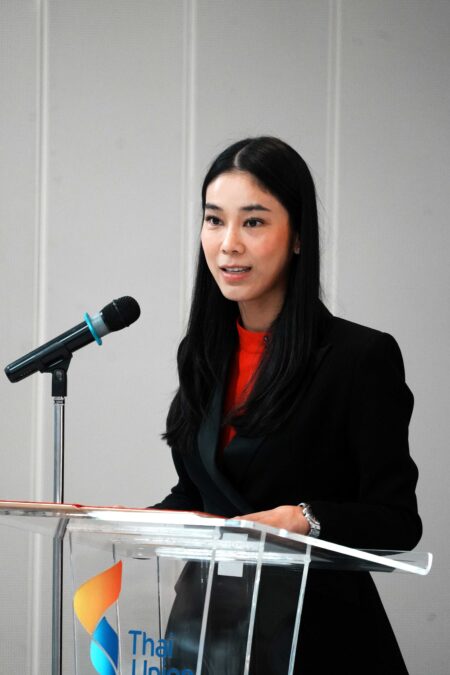
Miss Suchada Tansup, Secretary to the Minister of MHESI, said that the Zero Wastewater Discharge project aligns with the ministry’s strategy, driven by Minister Supamas Isarapakdee‘s initiative to promote research and innovation focusing on the country’s key issues such as environmental and social friendliness for sustainable development (Go Green), sufficiency and sustainability, carbon neutrality, clean energy, bio-economy, and following the government’s policy to drive Thailand towards sustainable development goals or SDGs in 2030.”
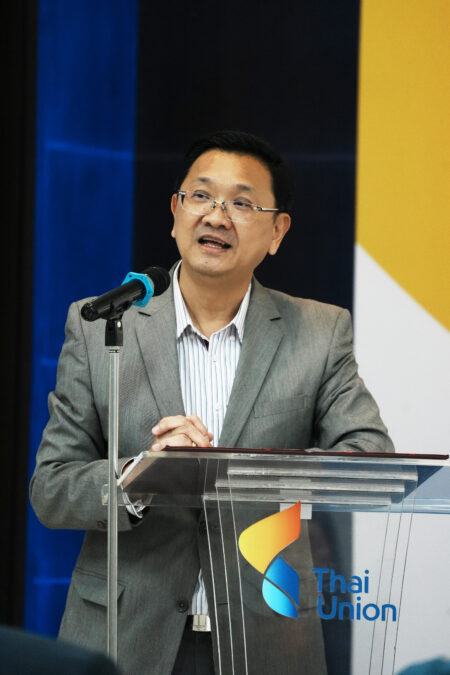
Assoc. Prof. Thongchai Suwannasinchana, Ph.D., Director of PMUC, stated that this project is funded through the Circular Economy (CE) program of the PMUC. The aim is to drive Thailand towards generating added value from the circular economy and low-carbon economy by utilizing clean production innovations, reducing resource consumption, increasing material circulation, and maximizing resource utilization benefits. This project serves as a good example of effectively applying innovation for beneficial purposes and is also a good model for technology transfer within the country, benefiting entrepreneurs at all levels. The upcoming “Wastewater Treatment Learning Center for Water Circulation and Reuse” will contribute to the development of capabilities among relevant industry entrepreneurs, aligning with the vision and mission of the PMUC to drive technological and innovation development, as well as to foster cooperation and investment in research and innovation for practical benefits, thereby enhancing the country’s competitiveness.
“In the fiscal year 2024, the PMUC has allocated funds to support sustainable research and innovation efforts, amounting to no less than 300 million baht. We focus on driving initiatives within the Circular Economy and Energy, Chemistry, and Bioplastic Economy groups to generate added value by utilizing waste or by-products from domestic industries as raw materials or for the creation of new products. This includes promoting the development of renewable energy and clean energy production for use as fuel, as well as reducing greenhouse gas emissions. Our targets include reducing GHG emissions by 30 Mt CO2 e, increasing GDP by 3%, and reducing resource consumption by one-third by 2030, aiming for Thailand’s Carbon Neutrality by 2050, through promoting knowledge and innovation development domestically.”
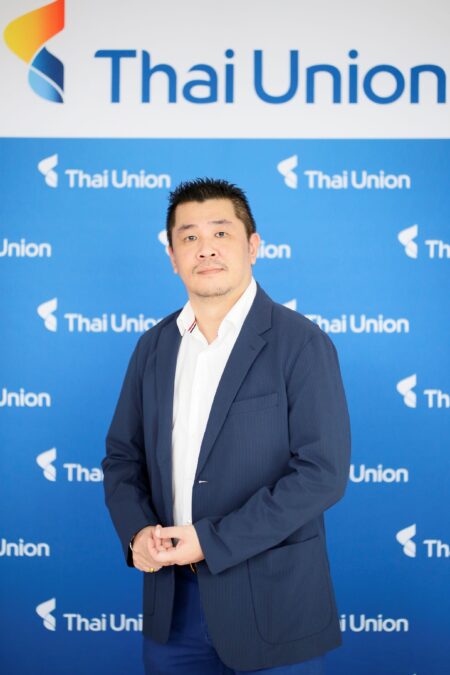
Mr. Sutthidej Amornkasemwong, Managing Director of Thai Union Group Pub.Co., Ltd., a conglomerate of fishery businesses, expressed gratitude to the PMUC for recognizing the importance and providing initial research and development support to Thai Union, enabling the continuation of sustainable environmental innovations. The project received a total research and development investment of 12 million baht, with initial funding of 3 million baht from the PMUC and 9 million baht from Thai Union. This project is part of the SeaChange® 2030 sustainability strategy, with one of its main objectives being to create excellent production processes by improving internal factory systems to achieve zero wastewater discharge, zero landfill waste, and zero food waste at Thai Union’s five main factories in Thailand and overseas, achieving 100% success by 2030.
“Thai Union places importance on research and development of innovation to meet the demands of conducting business in tandem with sustainable development, which is the core of our work. Over the past 5 years, we have received support and collaboration in research funding, knowledge, technology, and valuable innovation from leading state agencies and educational institutions, including MHESI, PMUC and Mahidol University, including the dedication of the team in designing a wastewater treatment system for the seafood industry to produce clean water that can be reused in the system, which is a very difficult matter to accomplish. Apart from supporting sustainability within the organization, it also aligns with the government’s policy of creating added value from the circular economy and low-carbon economy, reducing resource consumption, increasing circulation, and maximizing the value of resource utilization. We are pleased to provide continuous support to the Provincial Waterworks Authority by being a learning center to pass on knowledge, technology, and provide consultation on wastewater treatment to interested government agencies, private sector, and communities,” said Mr. Sutthidej.
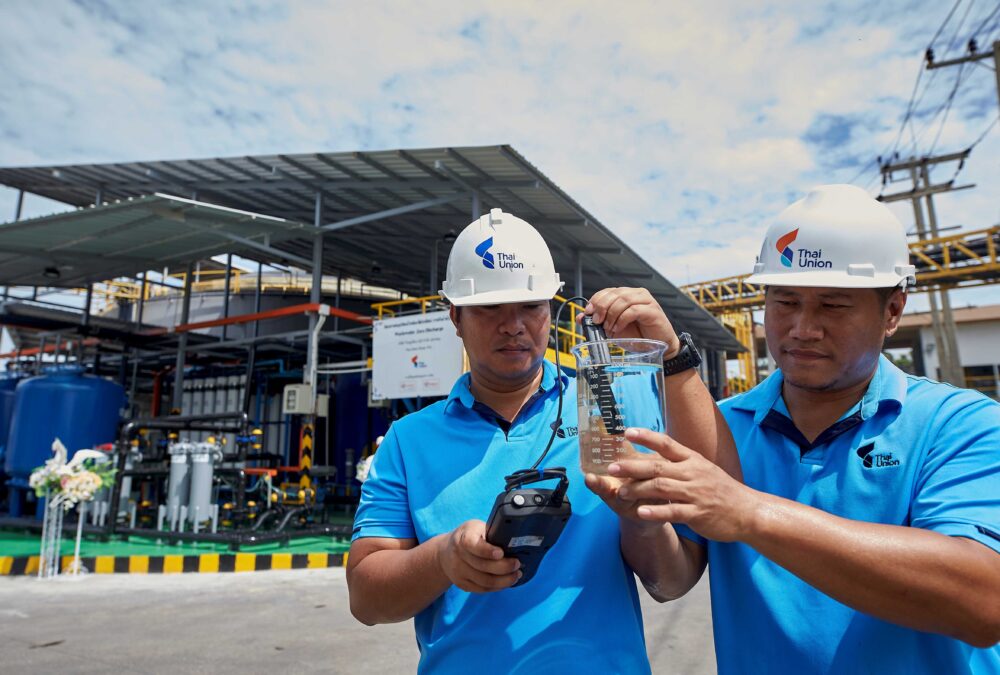
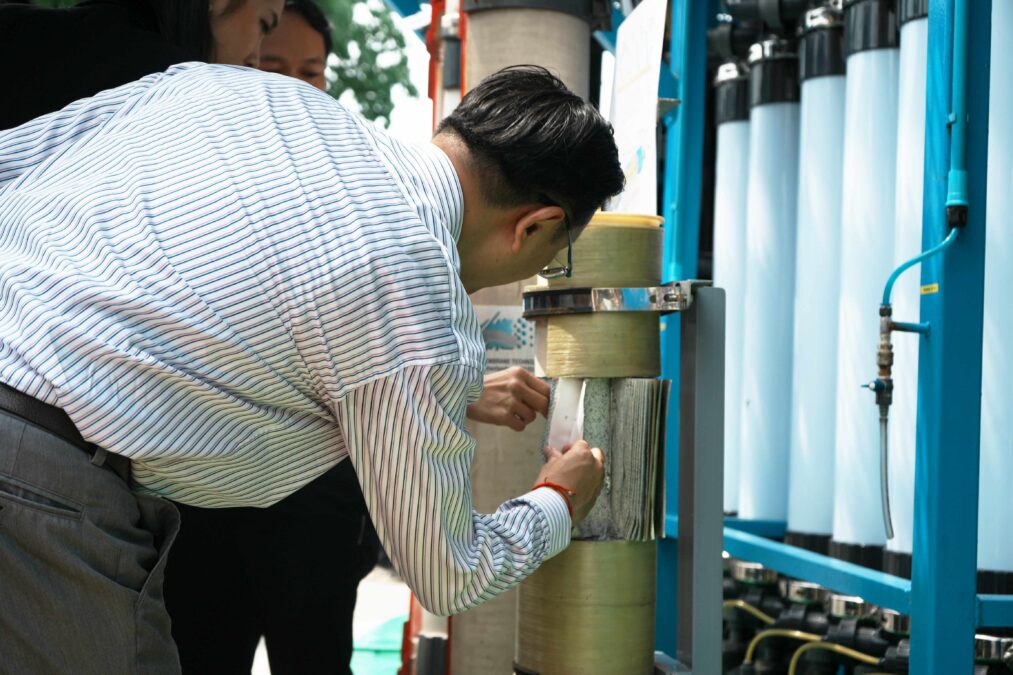
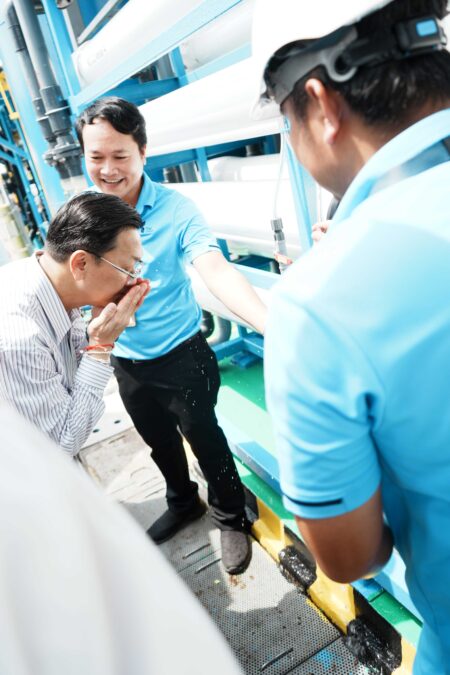
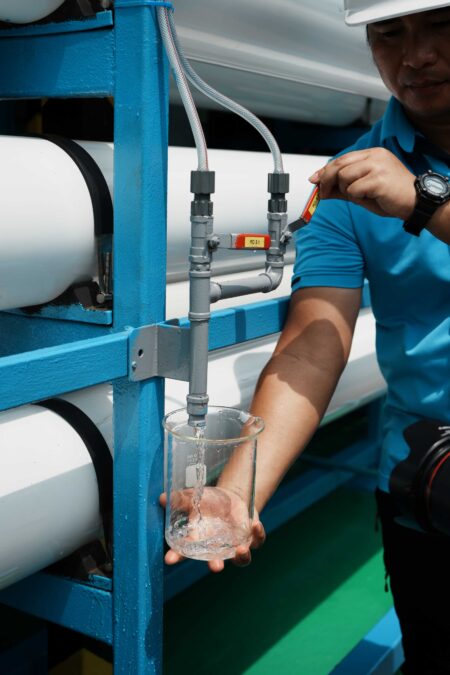
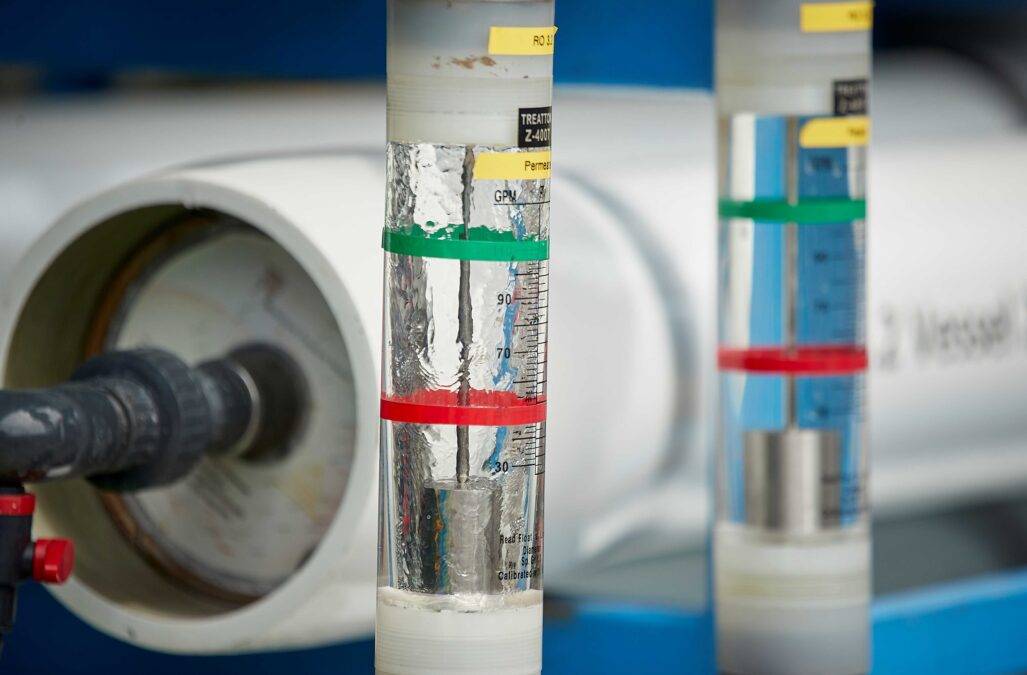
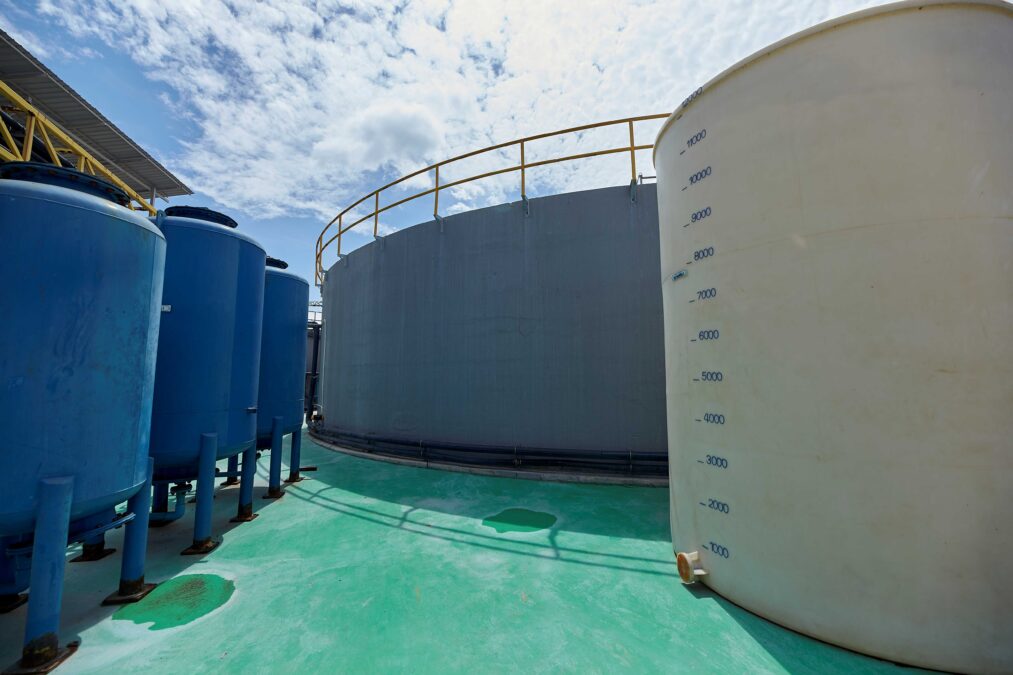
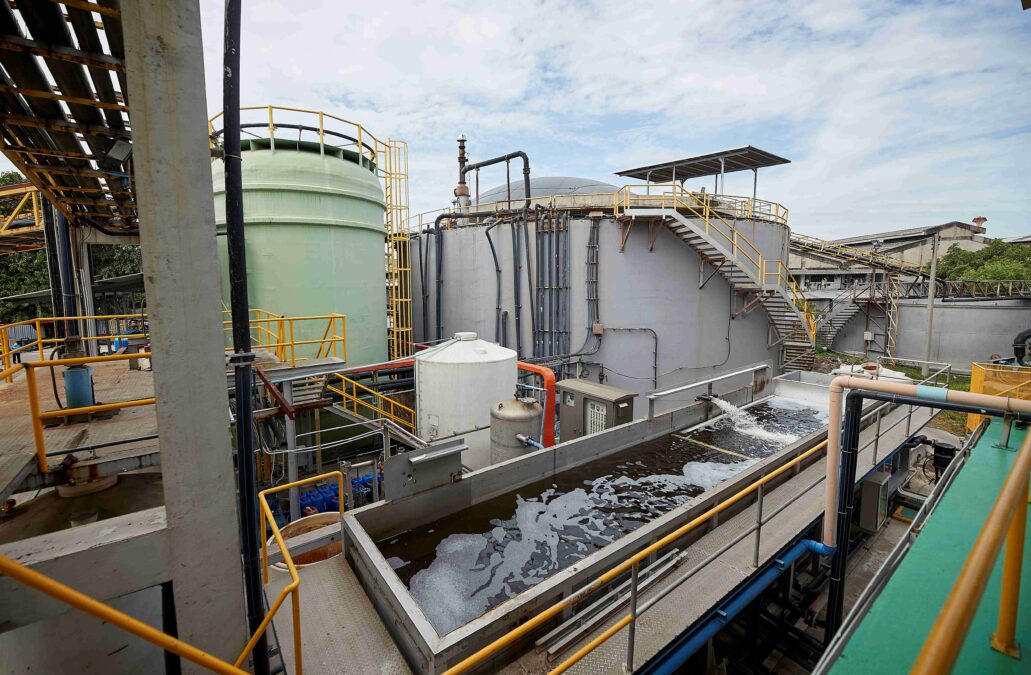
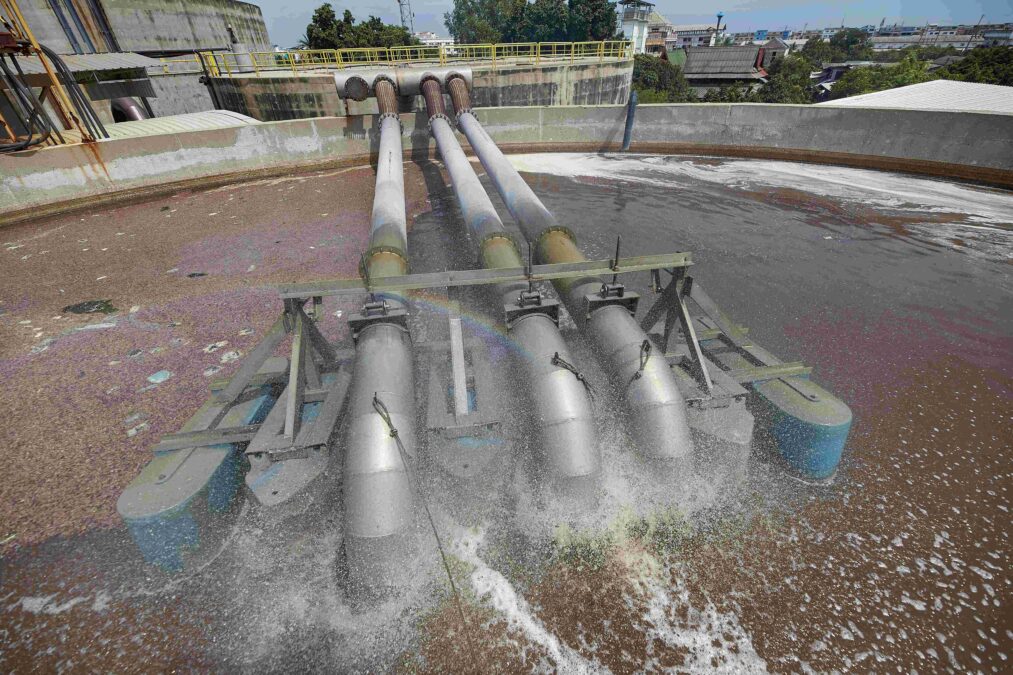
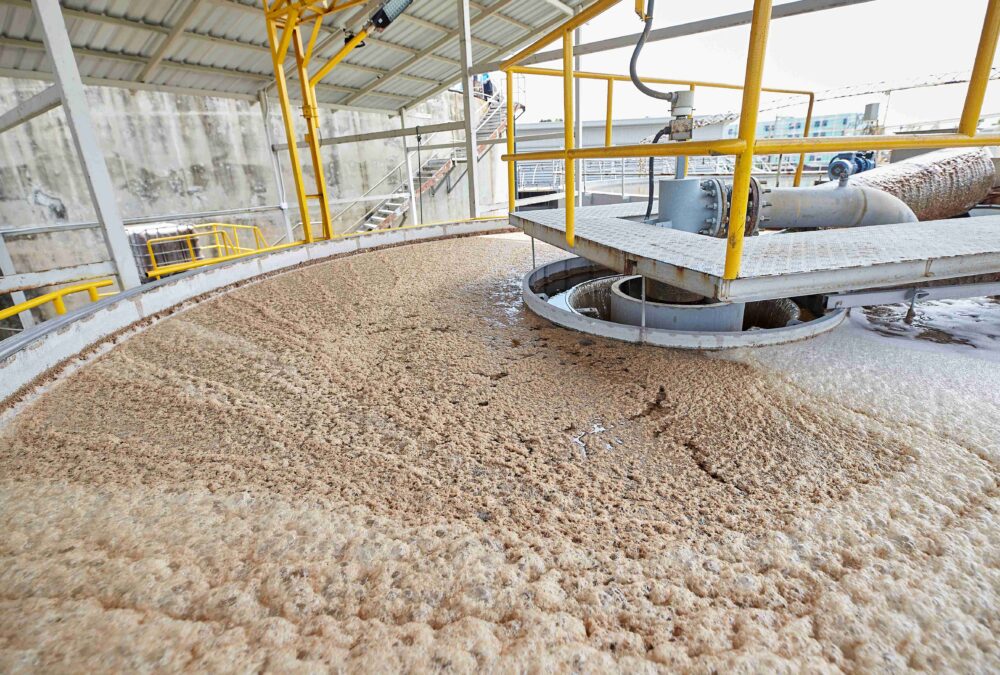
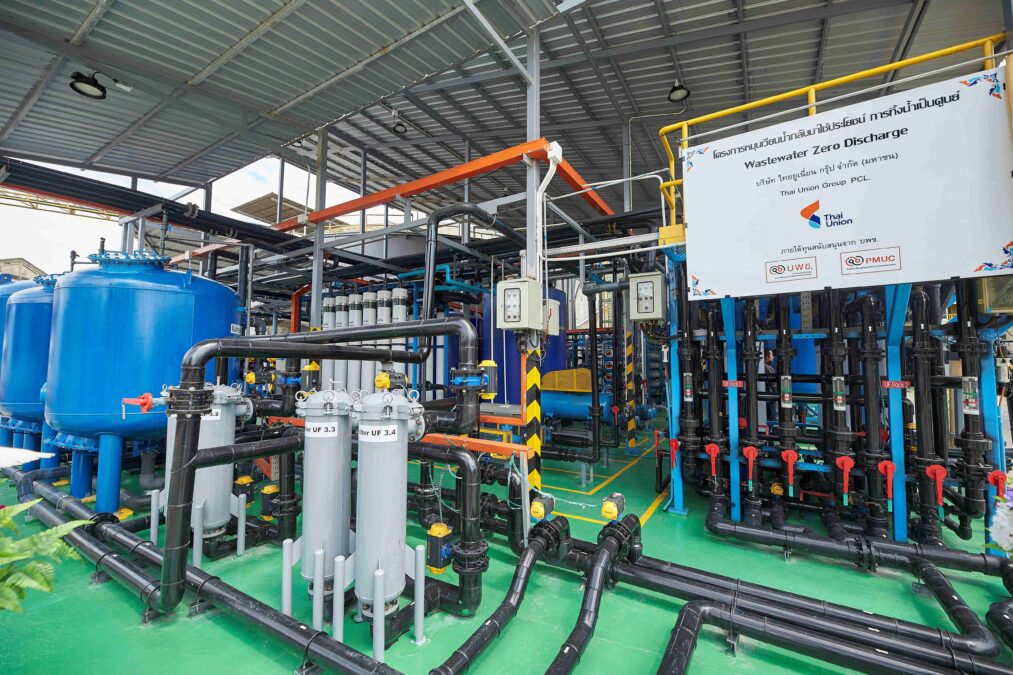
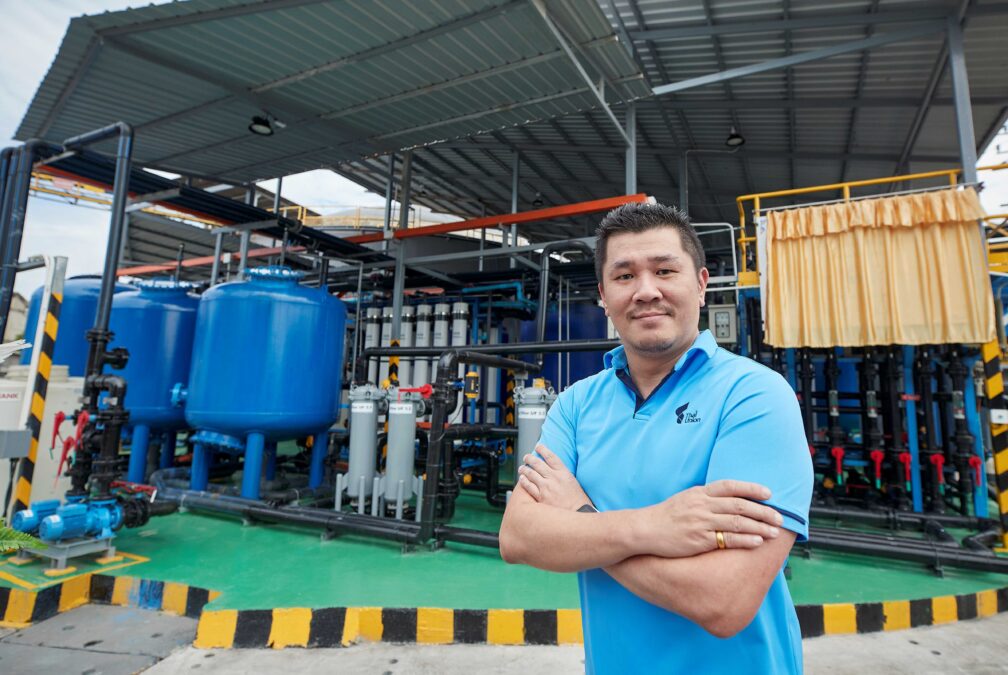
The approach for implementing the wastewater treatment system as the center of Thai Union’s operations involves using a comprehensive management system at the source, both in engineering and production processes, while improving water quality to meet or exceed tap water standards and serve as a substitute for tap water. It starts with minimizing waste generation before treatment, such as separating fish blood and fish boiling water to reduce fats and blood content in wastewater. Ultrafiltration (UF) with a precision of 0.01 microns is then used for wastewater treatment, followed by Reverse Osmosis (RO) to produce clean water for use in the factory’s cooling system, requiring higher quality water than general wastewater. The RO process generates a byproduct called “Bleed off,” which is of good water quality and can be used for floor washing, truck or tire cleaning, and the cleaned water is continuously circulated back into the UF and RO treatment systems without any residual discharge.
The flagship Zero Wastewater Discharge project of Thai Union is located at the Thai Union factory headquarters in Samut Sakhon province, covering an area of approximately 155,000 square meters. The system trial began in late 2023, capable of managing wastewater up to 9 million liters per day. Currently, Thai Union treats about 3 million liters of wastewater per day, resulting in an annual saving of approximately 1.095 billion liters of tap water, valued at around 27.8 million baht.
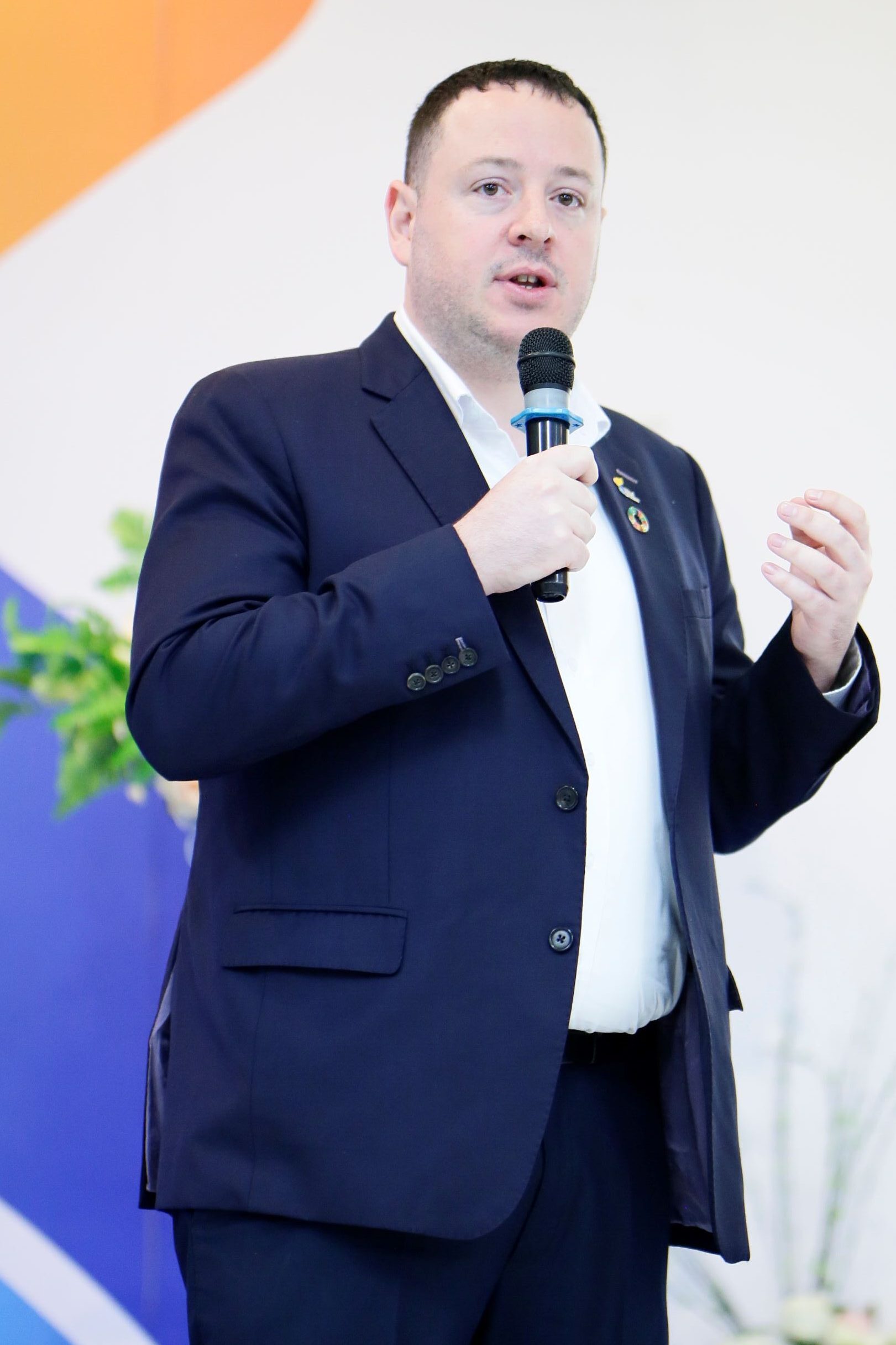
Mr. Adam Brennan, Director of Sustainable Development at Thai Union Group, said, “The Zero Wastewater Discharge project not only significantly reduces water resource usage but also ensures efficient water utilization, environmental preservation, and sustainable cost reduction in operations. It reflects our commitment to environmental responsibility, setting new standards for the seafood industry through real action, with the SeaChange® sustainability strategy aiming to positively transform the global seafood industry, requiring power and cooperation from all sectors. Today, Thai Union is ready to contribute to driving Thailand towards sustainable growth, caring for people, the planet, and the oceans.”
Past collaborations between the PMUC and Thai Union include over 4 successful research and development projects for nutritional supplements, beverages, and high-value functional ingredients from tuna oil, preparing to enter the market. There are also projects focusing on platforms for the production and analysis of bioactive peptides in food and animal supplements.