On the morning of January 6, 2024, at the Pradu Som Conference Room, Rajamangala University of Technology Isan, Khon Kaen Campus, Mr. Thanakan Wongdeethai, Ph.D., Secretary of the Future Mobility Subcommittee, PMUC, NXPO, along with Mr. Paripat Buranasin, Vice President of the Electric Vehicle Conversion Association of Thailand (ECAT), and their team, met with Mr. Parin Nachaisit, Vice President, and Assistant Professor Harit Prasarncham, Ph.D., Assistant to the President, to discuss the development of the future transportation systems industry and electric vehicle conversion industry.
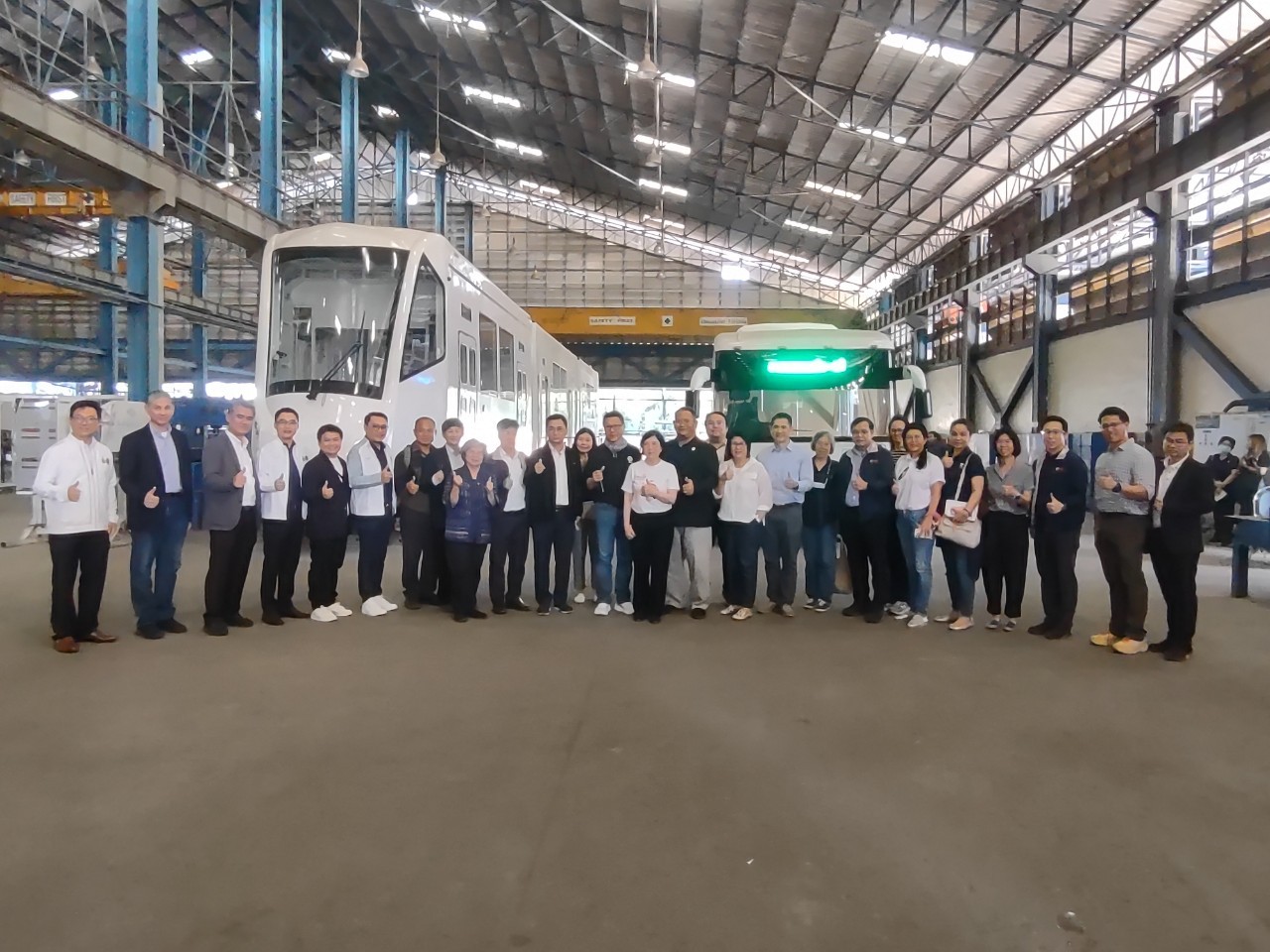
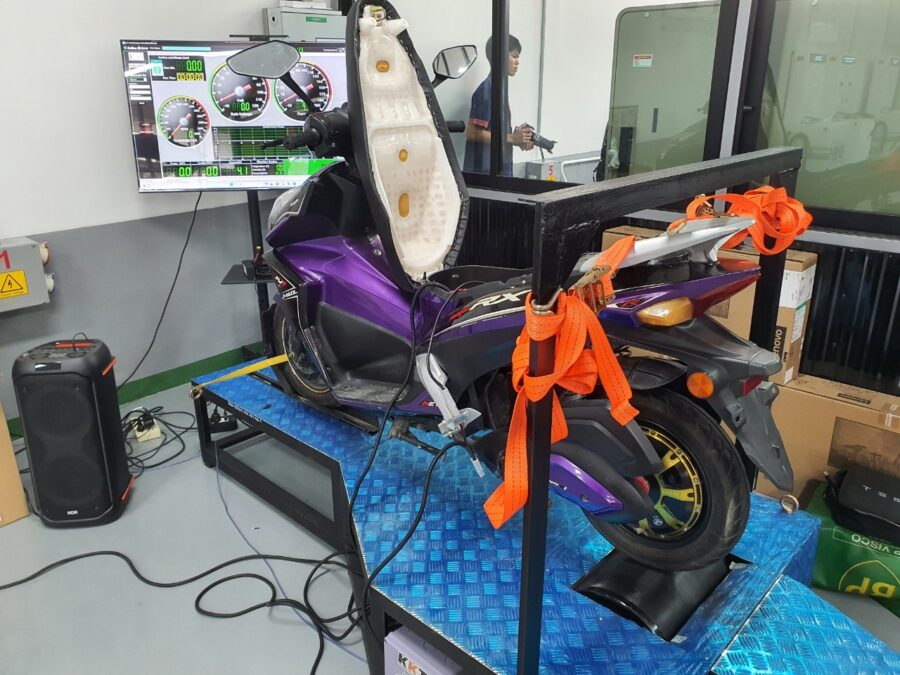
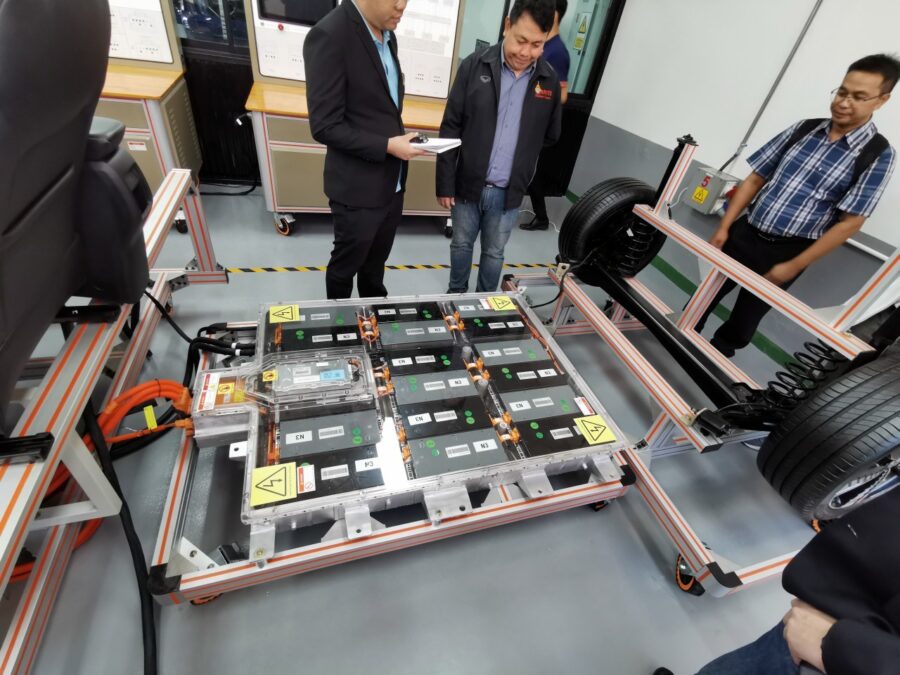
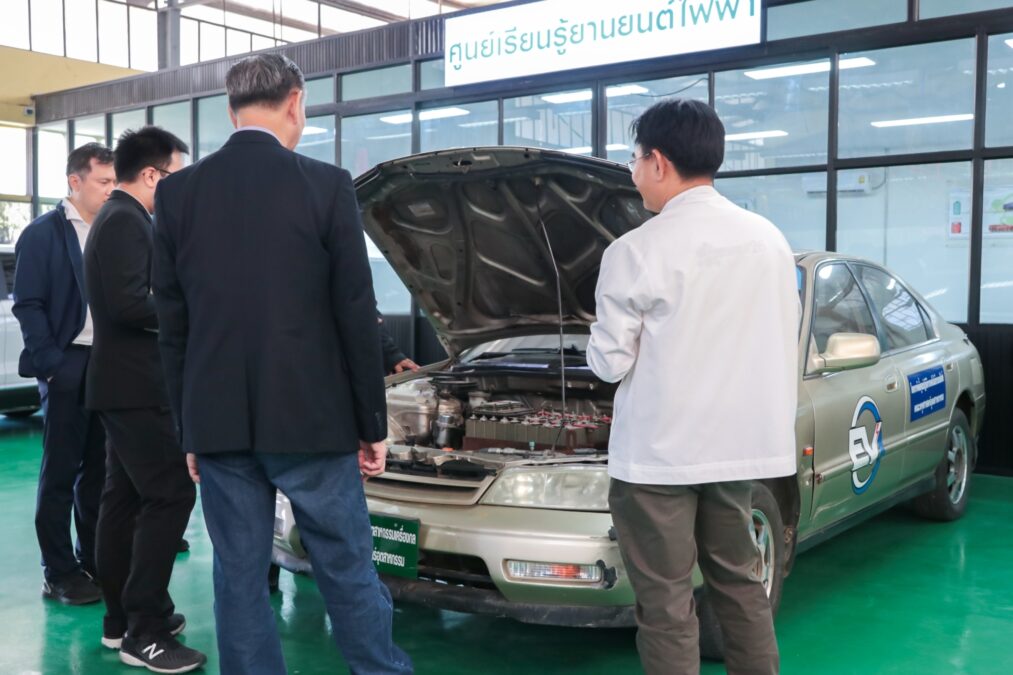
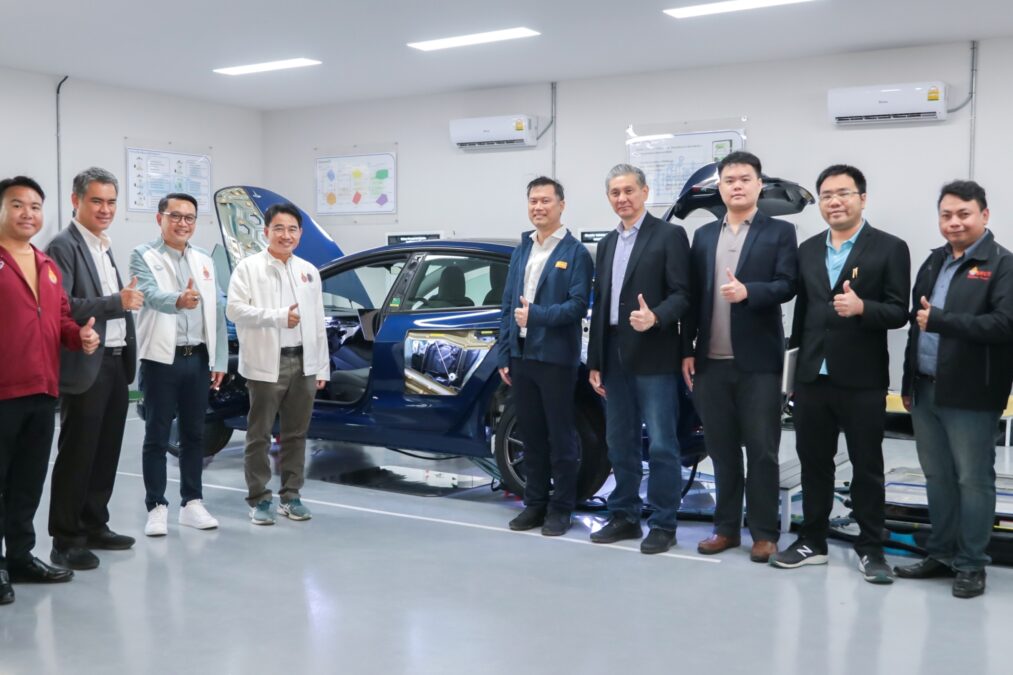
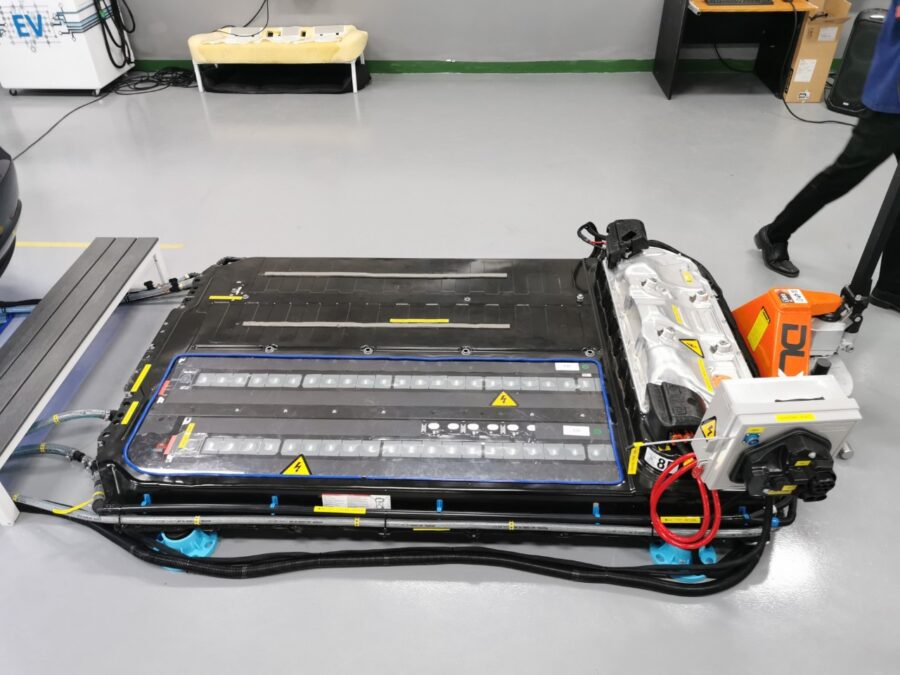
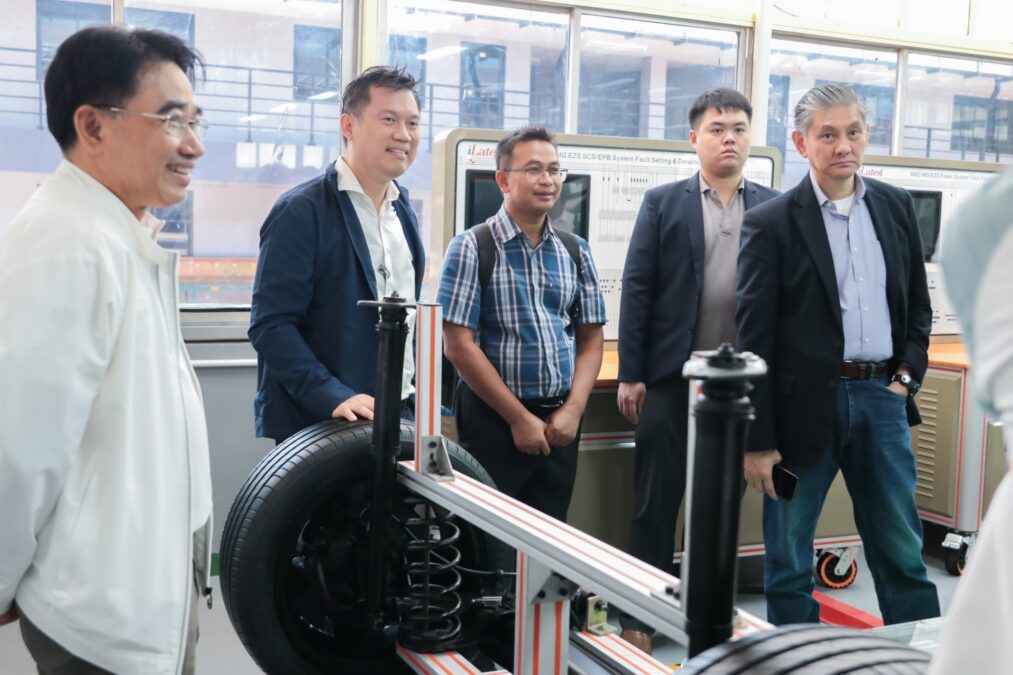
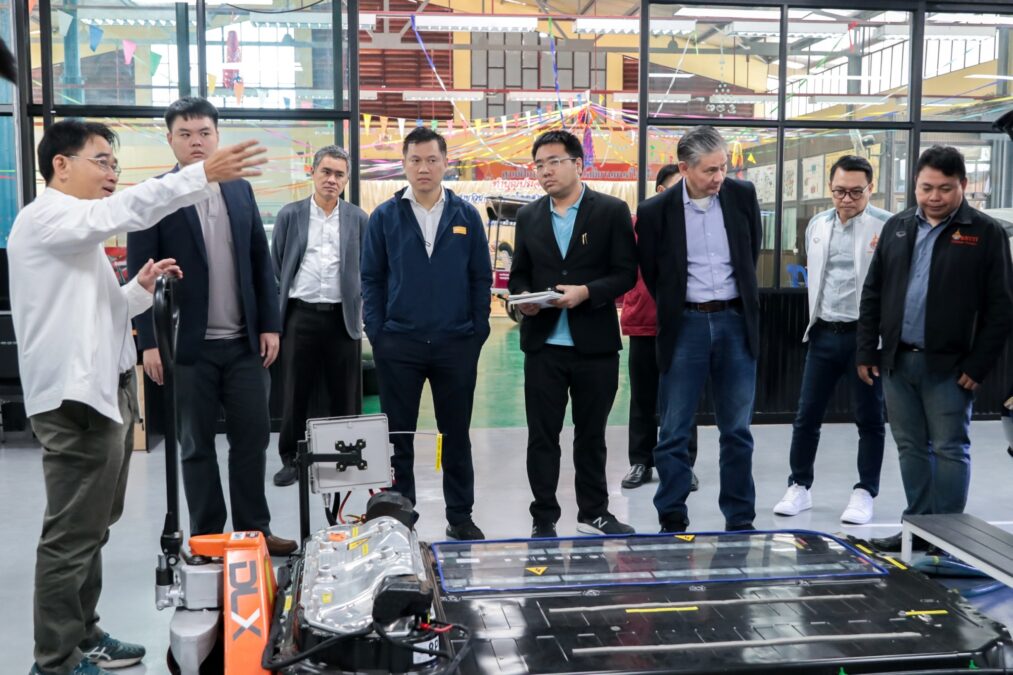
Following this, Dr. Thanakan and his team visited the Electric Vehicle Learning Center at the Faculty of Industrial Education, where they were welcomed and guided by Professor Praphan Yaowara, Dean of the Faculty of Industrial Education, and Professor Supharerk Chamongkolpradit, Dean of the Faculty of Engineering. They toured the Electric Vehicle Learning Center, which houses demonstration kits for the operation of electric vehicles and electric vehicle conversions. Subsequently, Mr. Paiwan Kerdtruaj, Ph.D., Assistant Dean for Rail and Transportation System Innovation Development, Faculty of Engineering, showcased the light rail (Tram) received from Hiroshima Electric Railway Company, Japan, used for educational purposes at the Railway Maintenance Depot (DEPOT).
Rajamangala University of Technology Isan prioritizes research and development, as well as the development of human resources in science, technology, and innovation (STI), considering them crucial for sustainable competitive advantage. Currently, the university is revising and has revised several curricula, including the electric vehicle conversion curriculum and rail system engineering curriculum.
Regarding the electric vehicle conversion curriculum, Rajamangala University of Technology Isan, Khon Kaen Campus, currently offers only a short-term course lasting three days, named the “Electric Vehicle Technology Workshop (EV).” Approximately 60 individuals, mostly alumni of the university who are technical college teachers, garage owners, and repair shop owners, have completed the course in three batches. These graduates can assemble battery packs and connect electric motor drive circuits themselves. The course advocates for government support in providing high-value components such as batteries, motors, and control units for electric vehicle conversions to make these parts more accessible and reduce conversion costs. Additionally, the government should support testing equipment for motors and battery packs and provide operational equipment like laser or ultrasonic battery terminal welders.
For the railway system engineering programs, the Faculty of Engineering at Rajamangala University of Technology Isan, Khon Kaen Campus, offers three programs: a Bachelor’s degree in Civil Engineering with a specialization in Railway Civil Engineering, a Bachelor’s degree in Mechanical Engineering with a specialization in Railway Mechanical Engineering, and a Bachelor’s degree in Electrical Engineering with a specialization in Railway Electrical Engineering. The programs accept graduates from both high school (Matthayom 6) and vocational certificate levels. Currently, there are about 250 students across these three programs, with approximately 50 graduates. Graduates from these programs can apply for a license to practice as a professional engineer (P.E.) and work in companies related to railway systems.
In terms of past activities, the Faculty of Engineering has sent 30 instructors for basic railway system training and 10 instructors for specialized railway system training in China, Japan, and Germany. Additionally, instructors have attended training courses for railway transport system engineering personnel development (W.S.R.) from batch 6 to batch 11. The support needed from the government includes assistance in ensuring graduates find employment in organizations related to railway systems, such as BTS, BEM, SRT, and budget support for the construction of test tracks (Test Track) of approximately 2 kilometers in length, both Standard Gauge and Meter Gauge.
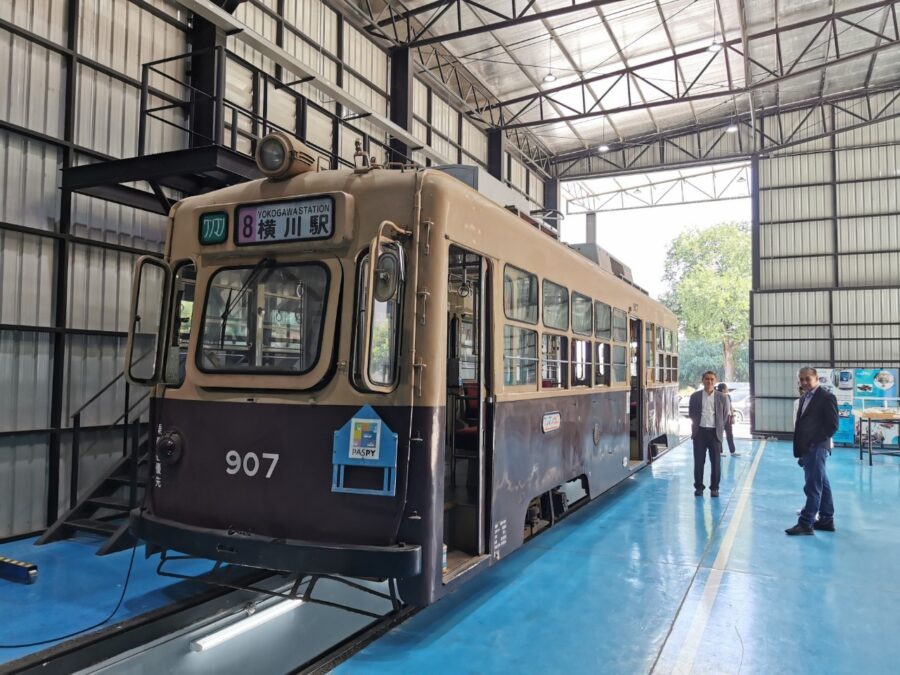
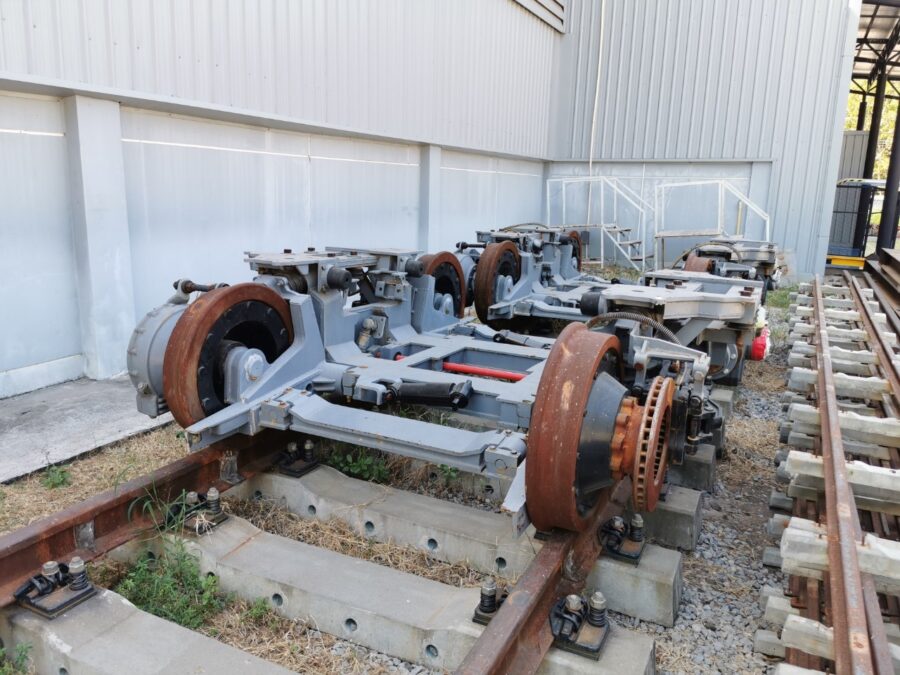
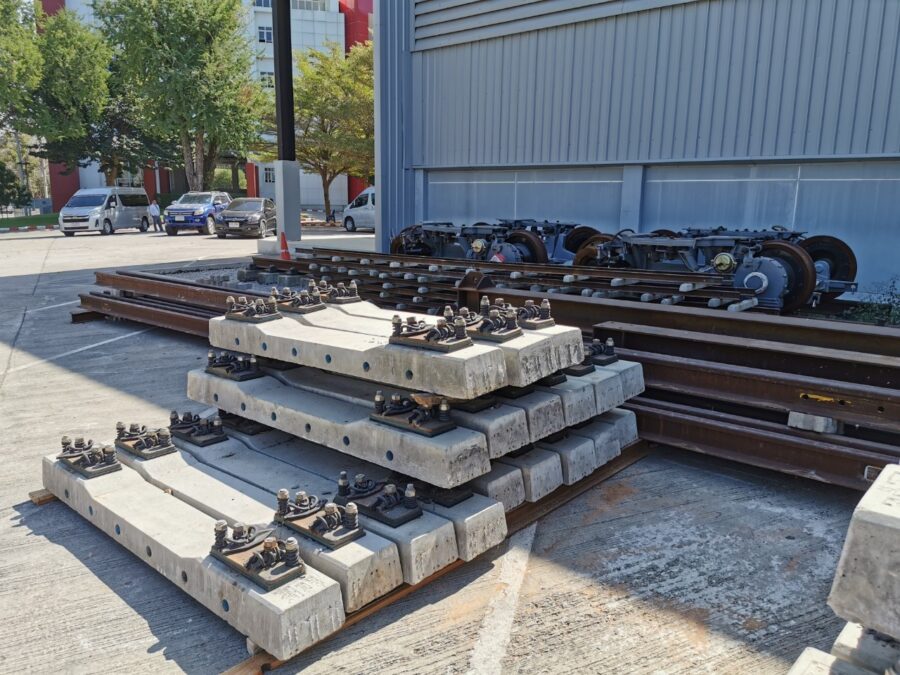
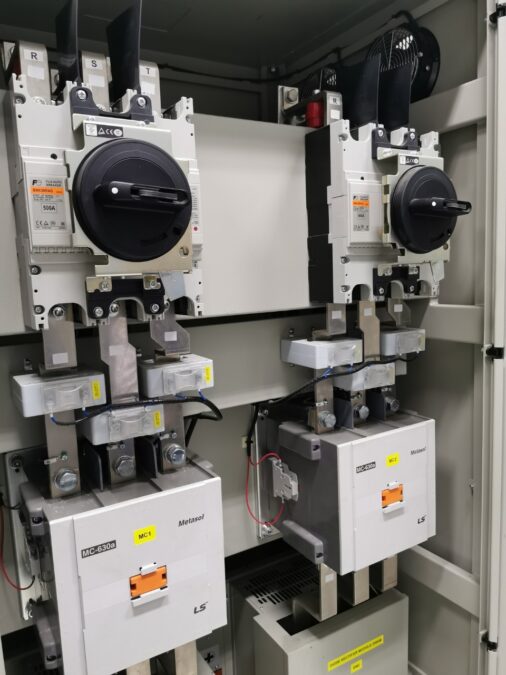
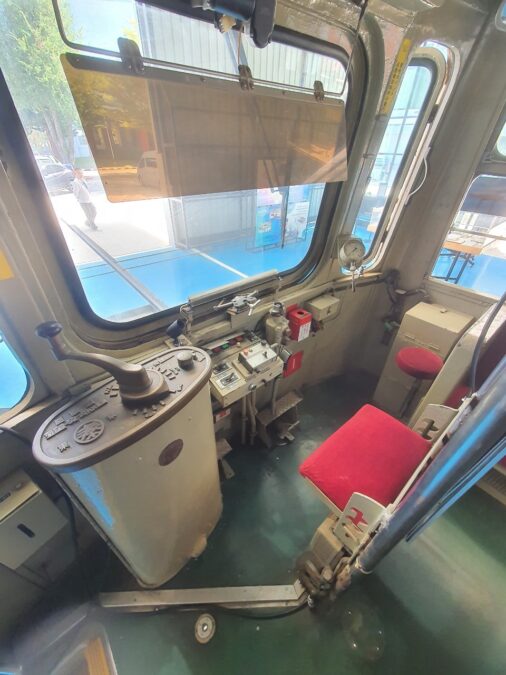
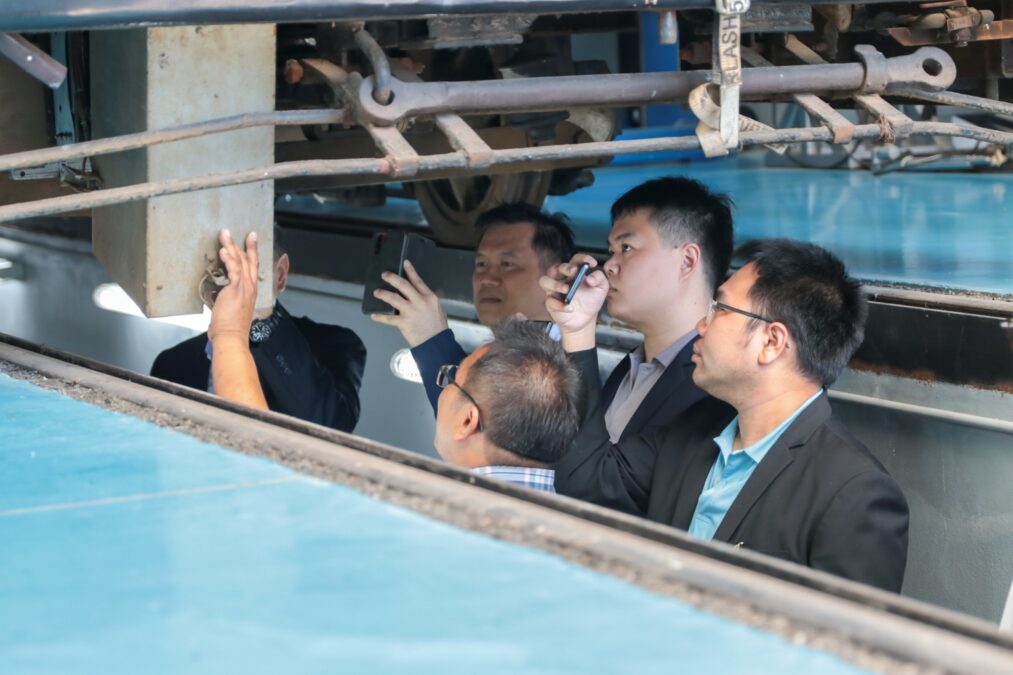
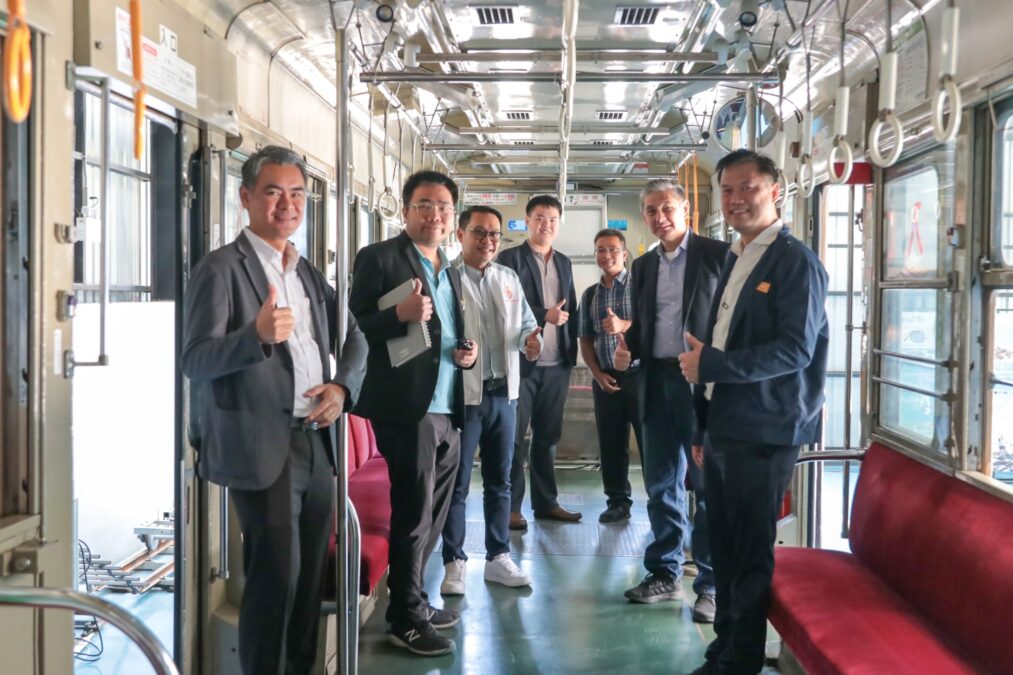
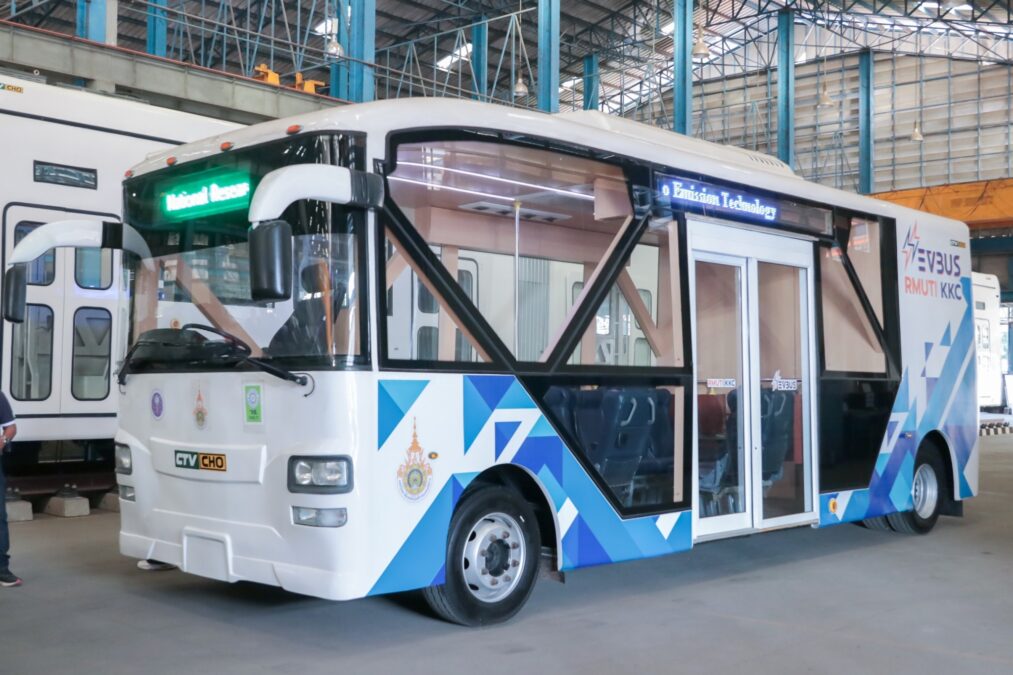
Later that same afternoon, Associate Professor Patamavadee Pochanukul, Ph.D., Director of the Thailand Science Research and Innovation (TSRI), along with the executive team, the Budget Bureau from the Prime Minister’s Office, Dr. Thanakan, and the team visited the prototype of the light rail train (tram), the prototype of the electric bus, and the prototype of the modified electric taxi at Cho Thavee Public Company Limited, which received research funding from the PMUC, under the National Higher Education, Science, Research and Innovation Policy Council (NXPO), the TSRI for the fiscal years 2020 to 2022.
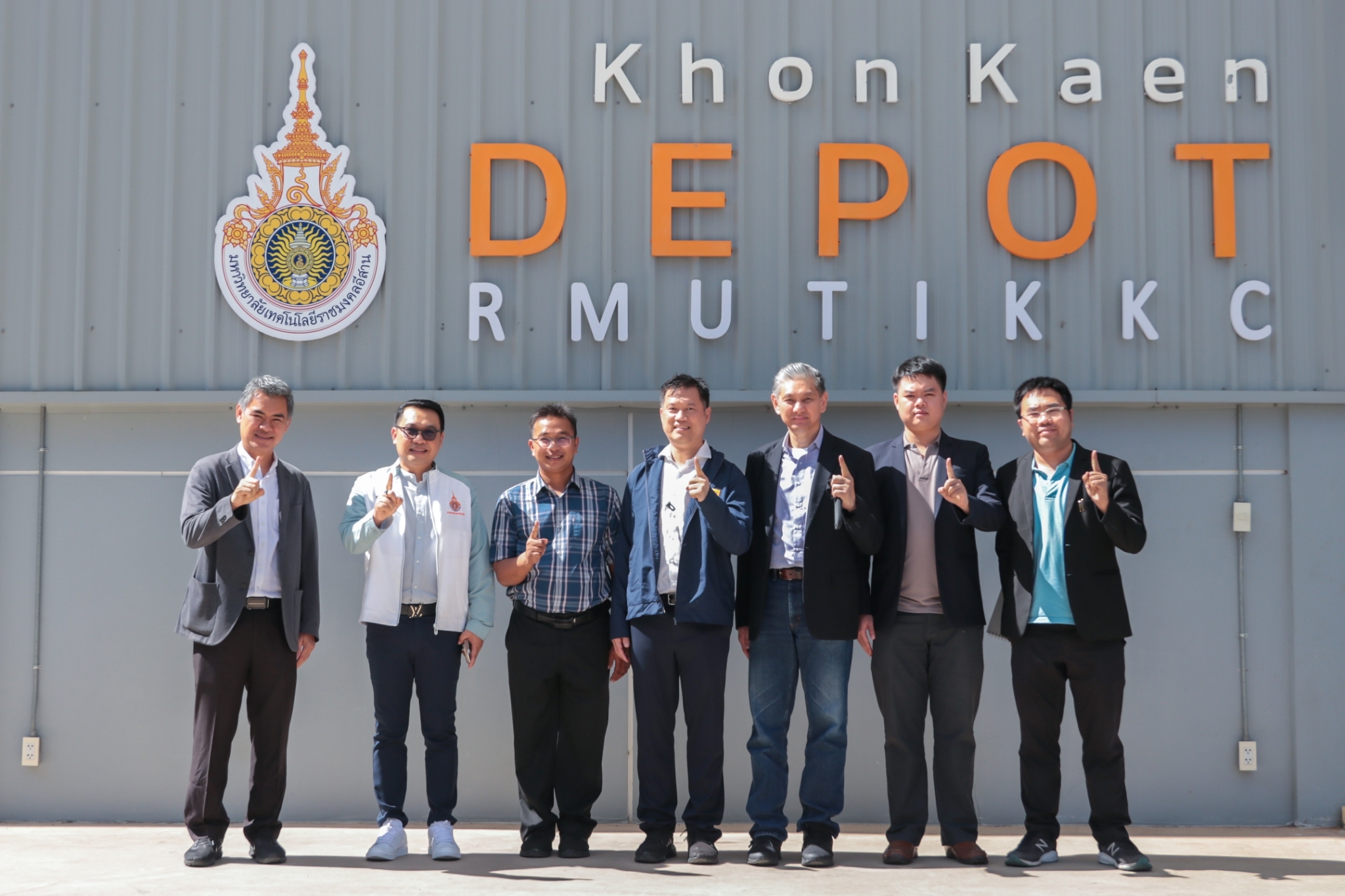
Subsequently, at the meeting room of Cho Thavee Public Company Limited, Associate Professor Kosit Sriputhon, Ph.D., President of Rajamangala University of Technology Isan, gave an honorary lecture on the strategies and overall view of the railway transport system of RMUTI. The Dean of the Faculty of Industrial Education lectured on electric vehicles to prepare for modern automotive technology. Mr. Suradej Thaveesangsakulthai, CEO and President of Cho Thavee Public Company Limited, research project advisor for the light rail prototype, presented the KHONKAEN model Clear Care Fair Share. A co-founder of Khon Kaen City Development Company Limited (KKTT) lectured on Khon Kaen Smart City. Assistant Professor Paiwan Kerdtruaj, Ph.D., head of the research and development project for the light rail system using locally produced parts, lectured on research, development, and production of Taxi EV parts. The atmosphere was filled with knowledge exchange, and commemorative photos were taken.