In developing and driving the country’s economy to grow continuously, it is undeniable that “personnel and innovation development” is a crucial mission that must be outlined in every strategic plan. Particularly, advancing investment in targeted industries that have been set is vital. The aviation industry is one of the 12 target industries, or S curves, that the government aims to make Thailand a regional Aviation Hub and an MRO (Maintenance, Repair, and Overhaul) Hub. This will also help promote Thailand as a Tourism Hub and a Logistic Hub.
Therefore, achieving this mission requires continuous planning for personnel and innovation development to meet the goals of producing a workforce that meets the needs of the aviation industry and utilizing innovation and technology to enhance the competitiveness of our industry. In the past, there have been efforts from all relevant sectors to collaborate on this mission.
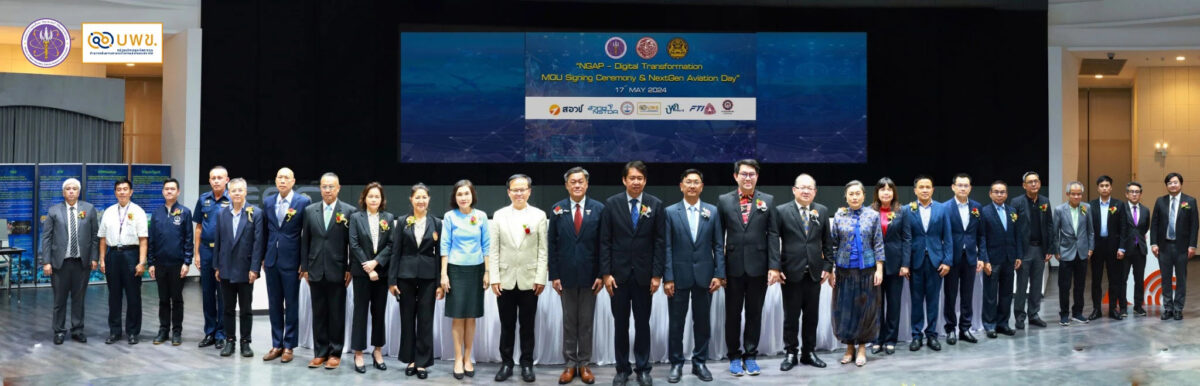
Recently, seven key agencies have joined forces to sign a Memorandum of Understanding on cooperation in aviation personnel and innovation development. The objective is to connect and coordinate as a network for aviation innovation development alongside higher education personnel development, shaping Thailand into the ASEAN Hub of Aviation. This aligns with the country’s economic expansion through driving industries with science, research, and innovation systems.
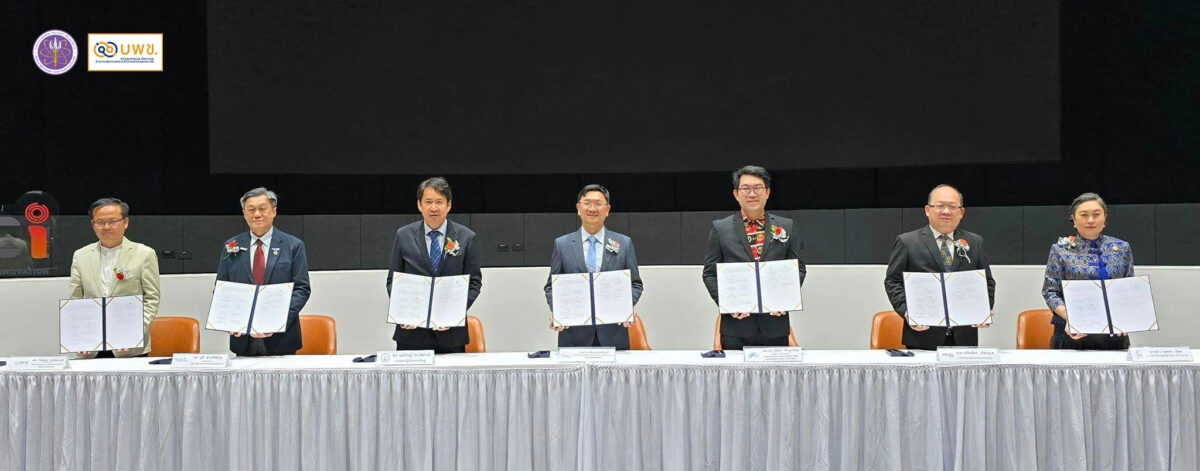
There were seven organizations that have come together to collaborate on this matter, including the Ministry of Higher Education, Science, Research and Innovation (MHESI) through the Office of the National Higher Education, Science, Research and Innovation Policy Council (NXPO), the National Science and Technology Development Agency (NSTDA), the Program Management Unit for Competitiveness (PMUC), and the Program Management Unit for Human Resources & Institutional Development, Research and Innovation (PMU-B). Also participating were Aeronautical Radio of Thailand Ltd. (AEROTHAI), the Professional Qualification Institute (TPQI) under the supervision of the Prime Minister, and the Federation of Thai Industries (FTI).
After the signing of this MoU, there will be a network linkage and coordination in personnel development and in education, research, and development to align with Thailand’s economic expansion by efficiently driving industries through science, research, and innovation.
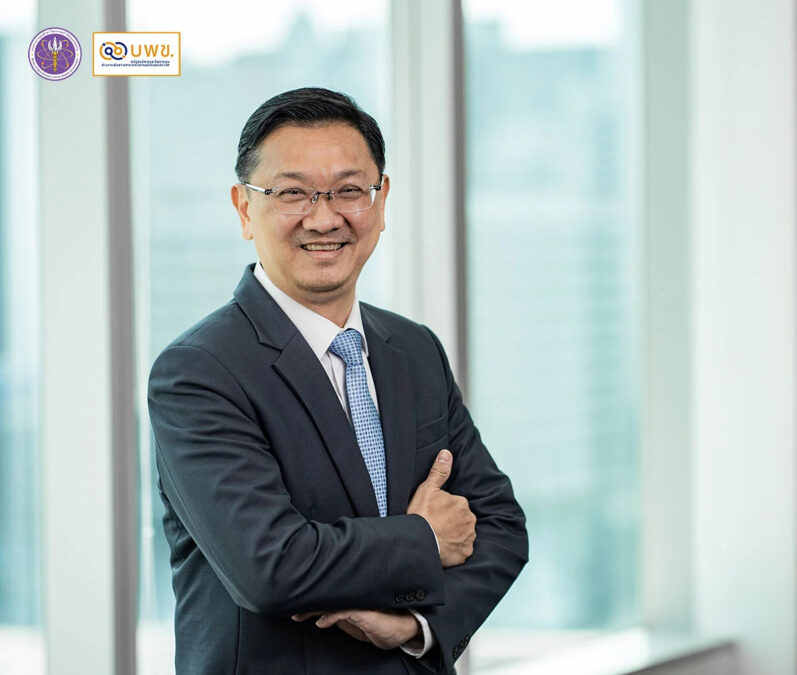
One of the key agencies that will become an important link in enhancing the country’s research and innovation capabilities, along with the other six agencies, is the Program Management Unit for Competitiveness (PMUC). At the signing of the MoU on cooperation in personnel and aviation innovation development, Associate Professor Thongchai Suwansichon, Ph.D., Director of PMUC, emphasized the important mission of PMUC, stating:
“The role and mission of PMUC is to support research and innovation development funding that will help build competitive capabilities for the Thai industrial sector by promoting collaboration between the public and private sectors, both domestically and internationally, to meet the needs of the industrial sector. This will lead to the extension of research work for commercial use to enhance the country’s competitiveness.”
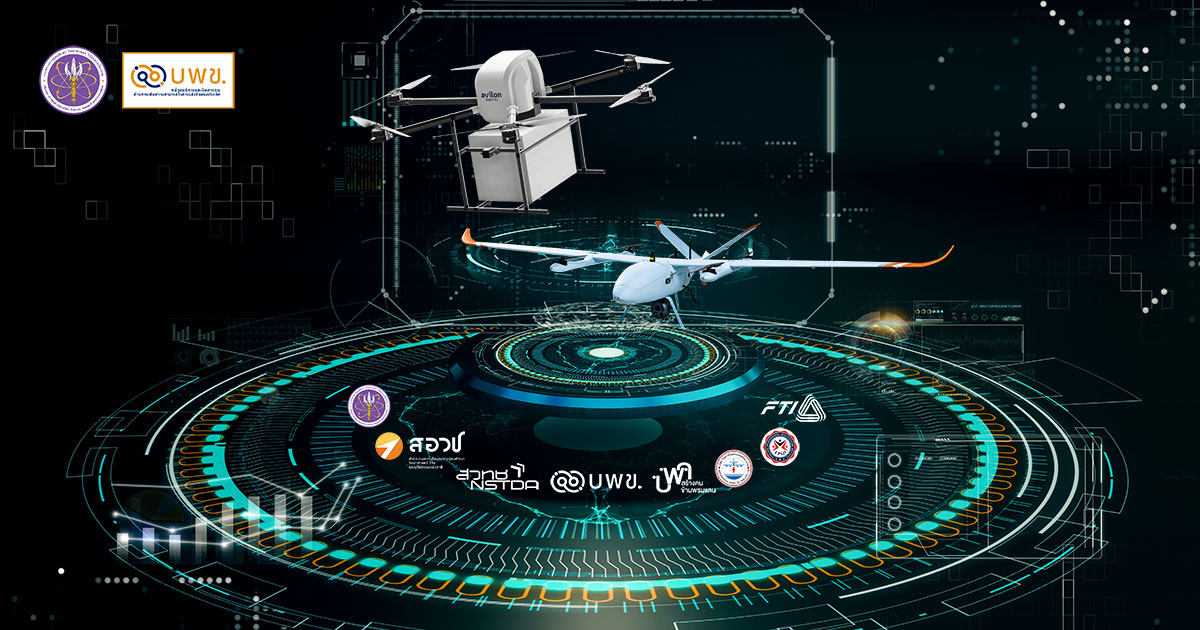
For this collaboration, PMUC has a key role in supporting funding for research and innovation development. AEROTHAI is planning to develop an Aerodome simulator/digital tower and Flight check/Drone Flight check RPAS (Remote Piloted Aircraft) used in control towers to simulate and control flights remotely, as well as developing an AI platform to test and calibrate various machines using drones instead of real aircraft to reduce cost.
“In addition, there are future plans to build airports for drones and to develop a flight information service system for drones and general airplanes to reduce delays and increase the efficiency of the Flight Information Center/Flight Information Service (FIC/FIS). These services provide aviation information to various airlines, which are all interesting and important projects for many industrial sectors that rely on air transportation systems, both domestically and internationally.”
“From now on, we will discuss developing project proposals to support research and development funding, linking with beneficiaries to drive success according to the expected Technology Readiness Level (TRL), and extending innovative prototypes to real commercial utilization in the aviation business or through the establishment of startups, for example, to create changes and enhance the competitiveness of the Thai aviation industry further.
Additionally, Associate Professor Thongchai emphasized the goal of collaborative efforts through the MoU to elevate the aviation and logistics industry, stating that:
“The main goal of this collaboration is the development of personnel and aviation innovation to propel Thailand to become the regional aviation hub. The outcomes of this collaboration will not only include the development of aviation innovation but also the enhancement of skills and innovation capabilities of the project participants from higher education institutions, academia, research sectors, and the private sector through practical implementation according to NGAP guidelines. This is considered to build a robust aviation industry ecosystem for the country, enabling us to become a creator of future technology in the aviation industry that meets international standards.”
And to illustrate the extension and enhancement of research capabilities towards commercialization and practical application, the event featured booths showcasing research prototypes addressing the needs of the aviation industry funded by PMUC. Additionally, research from Aeronautical Radio of Thailand Ltd. (AEROTHAI) ready for practical application was also on display, focusing on Unmanned Traffic Management Innovation to improve service efficiency and advance the aviation industry in the country in line with global trends.
Understanding the concept of “extending research and innovation prototypes to commercialization” with SUCCESS CASES that have been practically utilized.
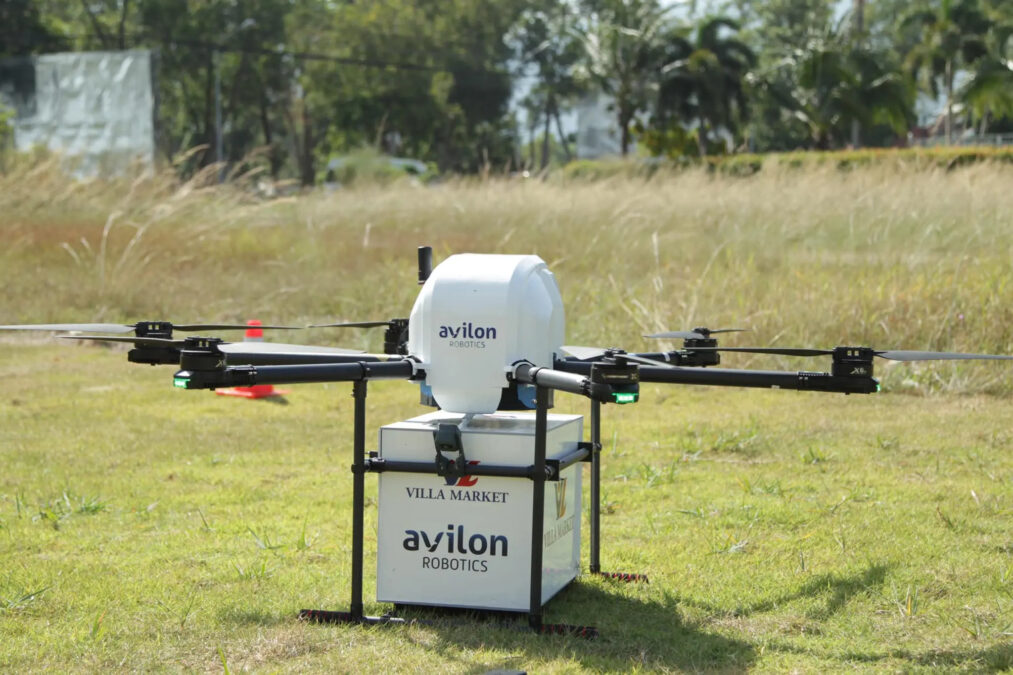
Starting with the Unmanned Aerial Vehicle (UAV) Network System for consumer goods transportation, this project represents a collaborative effort to develop and use UAVs or drones for the first time to deliver goods between islands in Phuket. This collaboration involves Avilon Robotics Co., Ltd., Villa Market, and Boat Development Co., Ltd., and the project has also received funding support from PMUC.
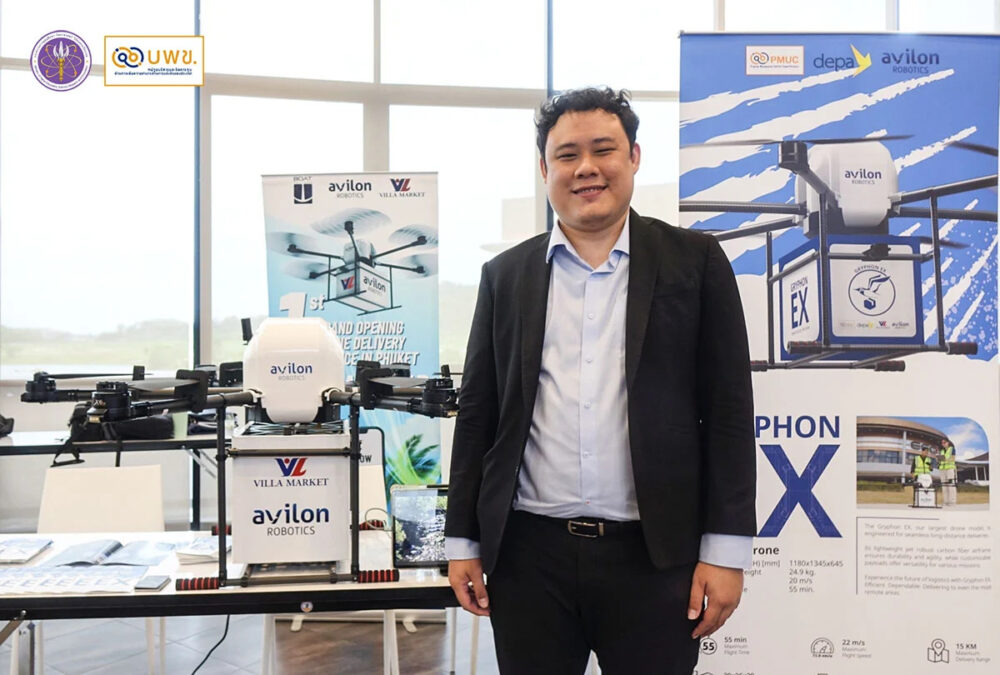
Mr. Thanakorn Sapsookbaworn, Ph.D., CEO of Avilon Robotics Co., Ltd., provided additional information about the project, saying, “Our company has been operational since 2020, and we provide services related to drones and IoT. We have Thai developers and a company in Taiwan. Our clients include both government and private sectors, as well as Taiwanese companies. Our drone services involve automated drones for routine tasks such as delivery or security monitoring. In the past, we competed in a national competition in Taiwan and won an award for the ‘Inter-Island Drone Delivery’. This success demonstrated our potential in this service area, leading us to explore potential areas in Thailand where drones could be utilized and expanded into a viable business.”
“From that point, we sought partnerships with Villa Market and entrepreneurs in Phuket to offer drone delivery services. We all agreed that there are business opportunities following the easing of the COVID crisis, as more people will travel and reside in Phuket, driving continuous growth in the real estate business. Each real estate company is looking for unique selling points to attract residents, and incorporating technology like Drone Delivery is one such appealing selling point.”
“This marks the beginning of collaboration between real estate companies in Phuket with Villa Market and Avillion Robotics to provide Drone Delivery services for delivering goods from Villa Market, which primarily serves expatriate customers residing in Phuket Province. Using drones for delivery has the advantage of being fast, helping maintain the freshness of food better than delivery by car.
“Upon finding such demand and providing an interesting service that adds value to the business, the company drafted a project proposal to seek funding support from the PMUC. At that time, we were still considered a startup company and needed funding to develop and expand commercial services. When we received funding support from the PMUC, it made it easier for us to expand our business. Negotiations with government agencies, local authorities, were reliable. From meetings with 17 local agencies, all parties agreed that providing Drone Delivery services is an interesting business and meets the future needs of Phuket.
“We believe that if this is successful in Phuket, we can expand it elsewhere, especially in transporting goods between islands, accessing customers with high purchasing power, and a new generation interested in technology and innovation that makes life more convenient. Even supermarkets have shown interest in this service because fast delivery reduces costs of stocking fresh products and transportation, especially since island areas already have high transportation costs, while drone operation costs are minimal, as only security personnel are needed, and drone operation is automated.”
“In considering support funding from the PMUC, the committee comprised representatives from all sectors, including government agencies, legal entities, and technical departments. This highlights areas where improvements may be needed to enhance the efficiency of our drone delivery services.
From our experience in developing and conducting business in this field, we believe that drone delivery is well-suited to the context and challenges faced by Thailand. For instance, it can address issues such as congested traffic and the dense urban layouts of major cities in Thailand. Additionally, the expansive rural areas present opportunities for business expansion. All these factors represent advantages for establishing a sustainable and reliable drone delivery service.
However, to develop this business model successfully, clear business strategies and regulatory frameworks are necessary to support and sustain operations. In the past, we were granted permission to operate drones for delivery purposes for approximately three months. During this time, we had to enter into agreements with Villa Market to meet safety requirements. This underscores the need for collaboration among all stakeholders to chart a clear path forward for this business.
“Finally, I believe that the business model has succeeded not only through collaboration from all sectors but also with the crucial support from the PMUC. It is an essential agency that has aided researchers and Thai entrepreneurs in studying, devising, and innovating their own technologies, allowing our country to move beyond being merely a consumer of foreign technology to becoming a nation with its own technological innovations. Meanwhile, research projects that have been selected and received funding from the PMUC serve as a credit to our capabilities, certifying that we have been recognized by the committee and expert professors at some level. This mechanism significantly aids Thai startups or SMEs in elevating their businesses by facilitating collaboration with other companies.”
“Another research project from alumni of Suranaree University of Technology, which has developed an aircraft capable of vertical takeoff and landing, and enhanced the capabilities of drones to fly much farther. From the success of this research, it has now been further developed into an efficient unmanned aircraft that can be utilized for various commercial purposes. This led to the establishment of iCreativeSystems Limited to provide industrial solutions.
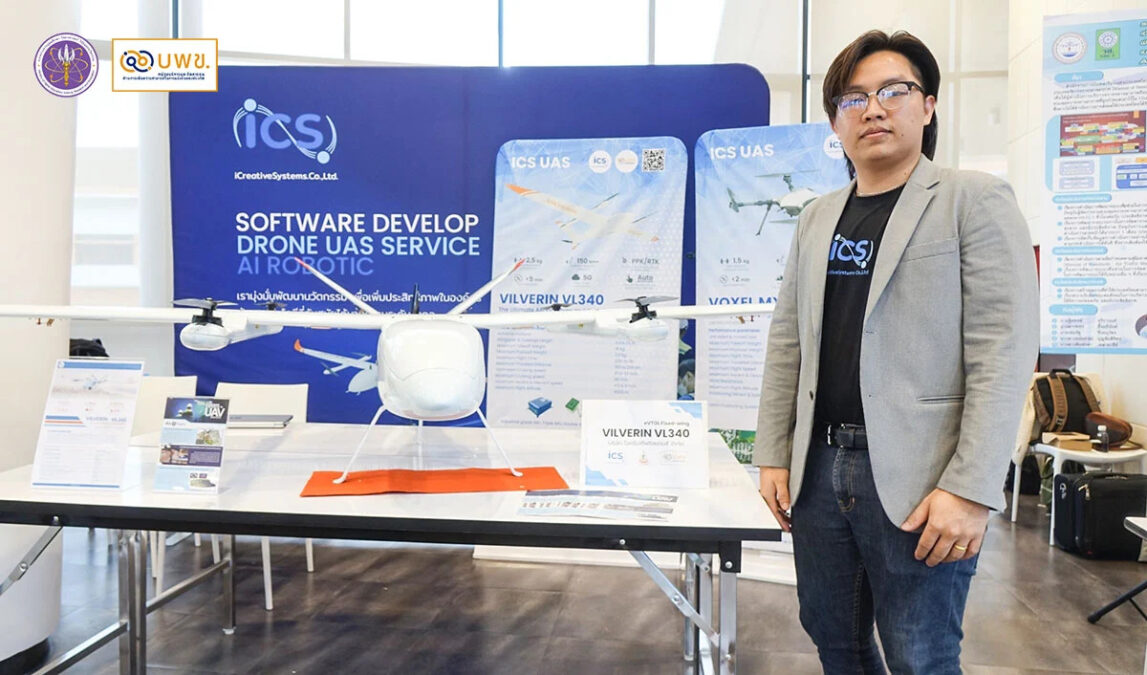
Jirananchai Srithub, Business Developer of iCreativeSystems Limited, provided additional information: “The development of aircraft capable of vertical takeoff and landing was a research project during my time at Suranaree University of Technology, and today marks 7 years since we expanded the commercial benefits of this research. We established as a startup company and joined the network of the Northeast Science Park (Nakhon Ratchasima), located within Suranaree University of Technology, allowing us to connect with industries and companies interested in utilizing this unmanned aircraft.
“Our unmanned aircraft has been designed for ease of use, and it proudly bears the label ‘Made in Thailand’ as the equipment was developed domestically. Therefore, if any issues arise during operation, our company has specialized engineers to promptly address and resolve them. Additionally, the sensors we use have been newly developed to better meet industrial demands and withstand the hot zones of Thailand, thus increasing their longevity.
“Moreover, our developed unmanned aircraft is more flexible than conventional ones designed for specific missions. Our aircraft can perform multiple tasks as we can easily switch cameras, such as live streaming cameras, thermal cameras for heat detection, night vision cameras, and high-resolution data collection cameras.
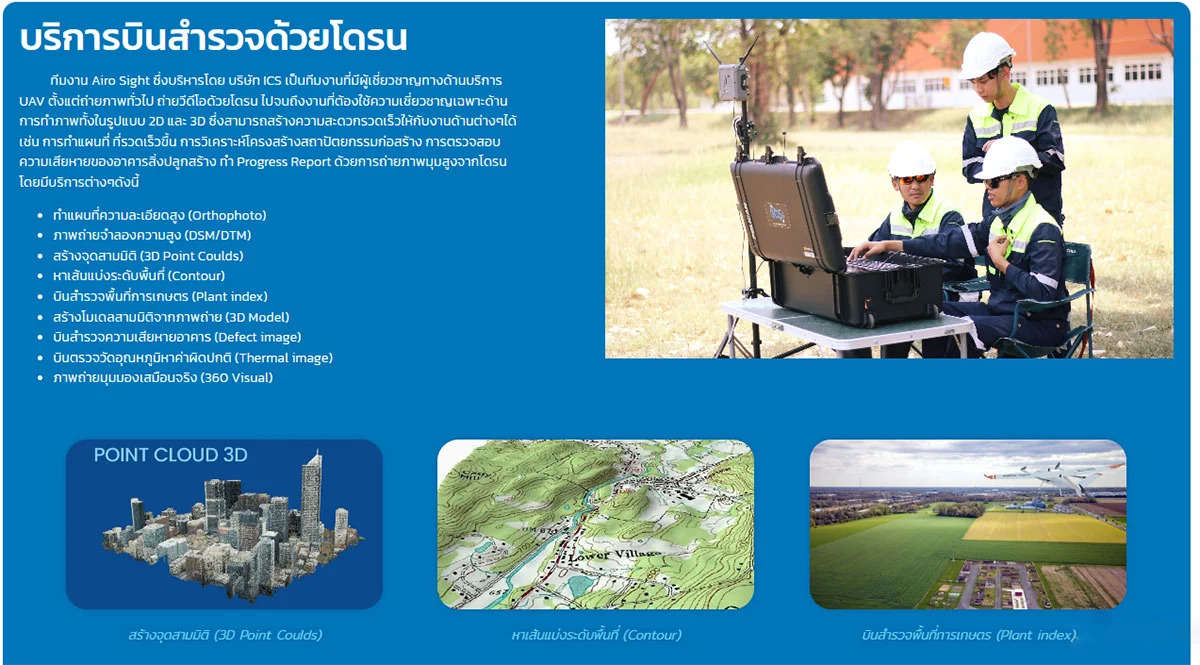
“As for the purposes of utilizing our unmanned aircraft, they vary widely, ranging from high-resolution surveys and mapping, which provide comprehensive data on terrain size, height, and other details, enabling better design and planning for land use.”
“Or in terms of geographic information usage, such as creating 3D construction models used in spatial planning for allocating and expanding areas or building models of various significant locations such as temples, archaeological sites, castles, monuments, etc. Additionally, it can be utilized in conjunction with damage assessment for repair and maintenance planning.
Moreover, we can employ unmanned aerial vehicles (UAVs) for carbon credit measurement. Using LiDAR technology, it can swiftly and accurately scan tree data to determine canopy heights without the need for manual measurements tree by tree. It can scan forest patches to create 3D models for carbon credit calculations, indicating the number of trees in a forest patch and the amount of carbon sequestration.
Therefore, with the efficiency of the UAVs we have developed, we are confident that Thai-made unmanned aerial vehicles or drones are as efficient as drones from other countries. We have extended efforts to ensure that our UAVs are commercially recognized through the XFAS (Everything Fast as Services) platform, providing aerial data services using UAVs developed by Thais.
This platform offers system and aerial digital data rental services through a subscription model, available on a monthly or yearly basis. Users can rent UAV systems and digital aerial data collection services (including high-resolution imagery, 3D Point Clouds, and Real-Time video imagery), suitable for startups or SMEs that do not wish to make high investments initially and want to familiarize themselves with the system first.
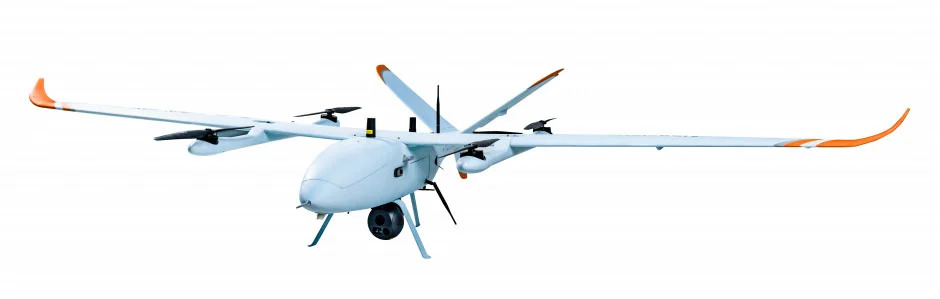
The XFAS platform was developed through collaboration between Innovative Creative Services Co., Ltd. (ICS), co-developer of the Vilverin VL-340 drone, XFAS Co., Ltd., provider of aerial digital data service platform, with Asst. Prof. Suradet Tantrairat from Suranaree University of Technology (SUT) leading the project, and Asst. Prof. Duangduen Atsawasuteerakul from Naresuan University, along with Mappedia Co., Ltd., developer of the cloud-based drone image processing platform (DroneBox), under research funding and business model development support and ecosystem integration from the Digital Platform Group, PMUC.”
“Currently, the innovation of unmanned aerial systems has risen with the ground-based Vilverin VL340 model, ready to be introduced to the market at TRL7 level. Further steps are needed to expand the production of this product into various commercial businesses for real-world use in different industrial markets. Thus, this research advancement has propelled unmanned aerial innovation to TRL9 level and launched it into the market through the XFAS (Everything Fast as Services) platform. This is the business model we have set forth.
The opportunity to receive funding from the PMUC has played a part in enabling our company, previously manufacturing two-cylinder engine cars, to upgrade to eight-cylinder engine cars. This upgrade accelerates the application of our innovation in the industrial sector. In addition to the mentioned services, the company can now manufacture and distribute a total of three unmanned aerial vehicles, each priced at 3.8 million baht.
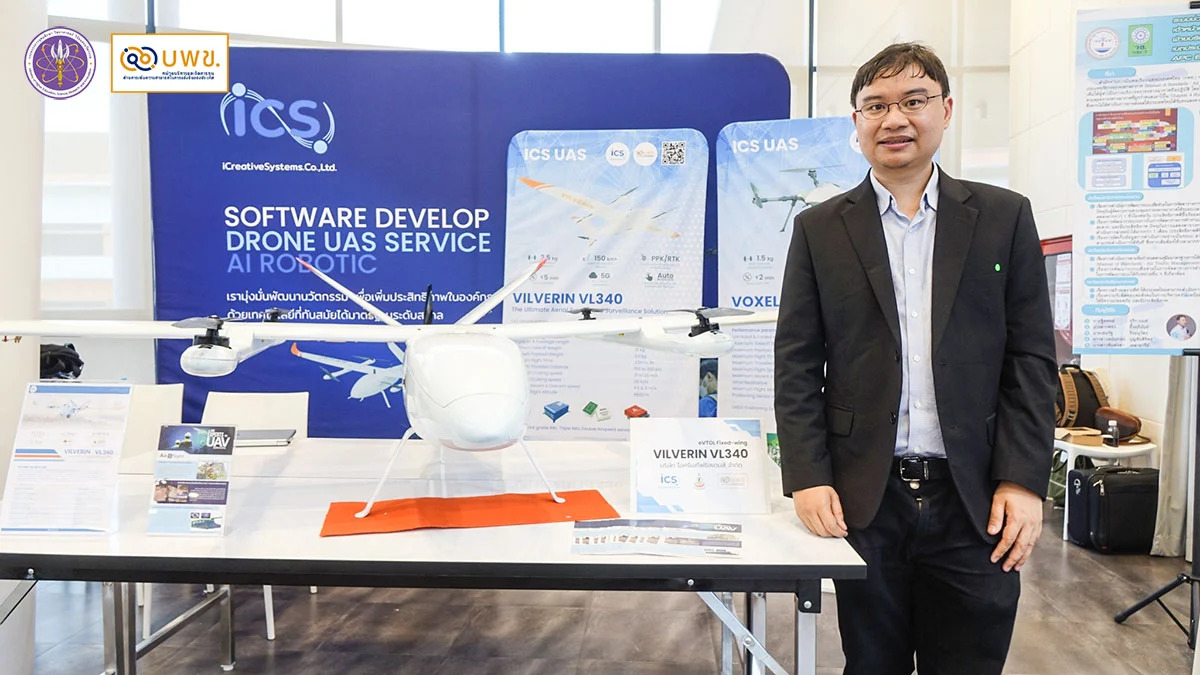
Furthermore, Asst. Prof. Atthapol Ariyarit, a lecturer in Mechanical Engineering at Suranaree University of Technology, also emphasized that PMUC’s support for unmanned aerial vehicles has facilitated the rapid establishment of the XFAS platform. If Thai-developed drones receive recognition in the future, the XFAS platform will serve as a hub for Thai-made drones and unmanned aerial vehicles.
However, it must be acknowledged that to this day, both governmental and private sectors still rely on drones sourced from abroad. Therefore, there is a need to raise widespread awareness regarding Thai innovation in drone and unmanned aerial vehicle development. This will encourage various agencies to utilize efficient Thai-made drones, which can be promptly serviced by Thai engineers or technicians when issues arise, thus saving both money and time.
Sharing the strategies for funding support from the Future Mobility Program, can be likened to attachment of wings to Thai drones and unmanned aerial vehicles, can foster continuous growth.”
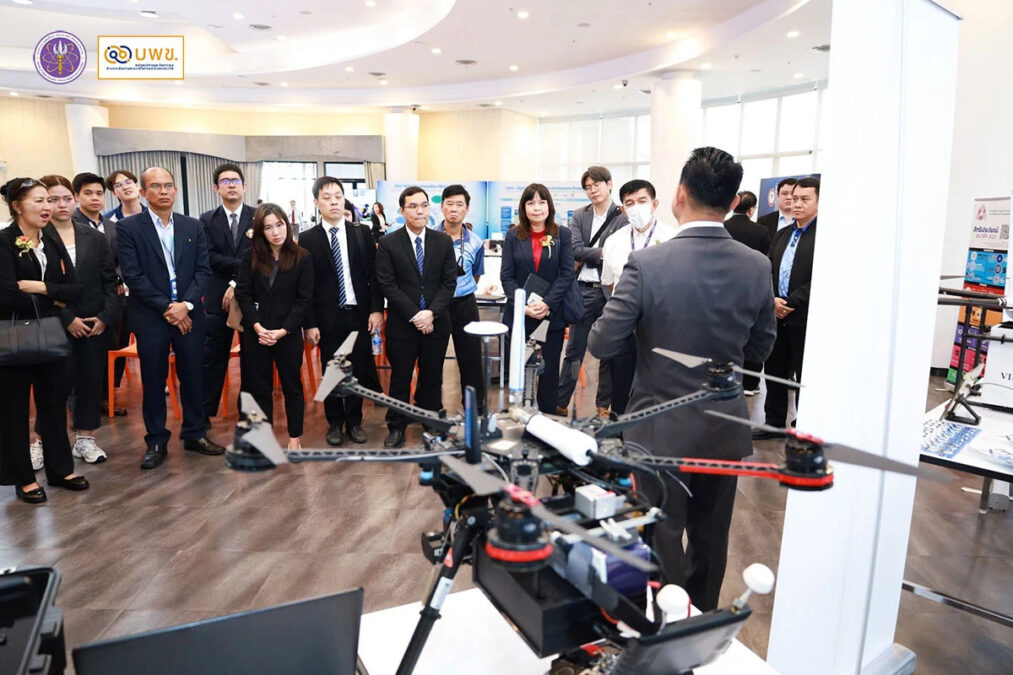
At this event, Thai Airways International Public Company Limited has also showcased innovations related to the development of Thailand’s aviation industry to emphasize the importance of aviation innovation in advancing Thailand towards becoming an Aviation Hub in the region. Examples include:
- Aerodrome Simulator/Digital Tower and Flight Check/Drone Flight Check RPAS (Remote Piloted Aircraft System) are digital systems used in airports to provide simulated images/Digital Tower Drone FC in AMC controlling flights remotely, such as controlling landings from Bangkok to Chiang Mai and using drones to inspect aircraft for airworthiness, replacing actual flight usage.
- Air Traffic Flow Management (ATFM) or the development to enhance the efficiency of air traffic management, utilizing Web3 Digital Asset and Web4 Location-Based Service satellite GNSS as Digital Twin with AI testing and calibrating various devices using drones instead of actual flight to reduce waste.
- UTM Roadmap or Unmanned Aircraft System Traffic Management is a project in research and development to establish a management system for unmanned aerial vehicles collaboratively with all stakeholders for compatible airspace use, safety, and efficiency.
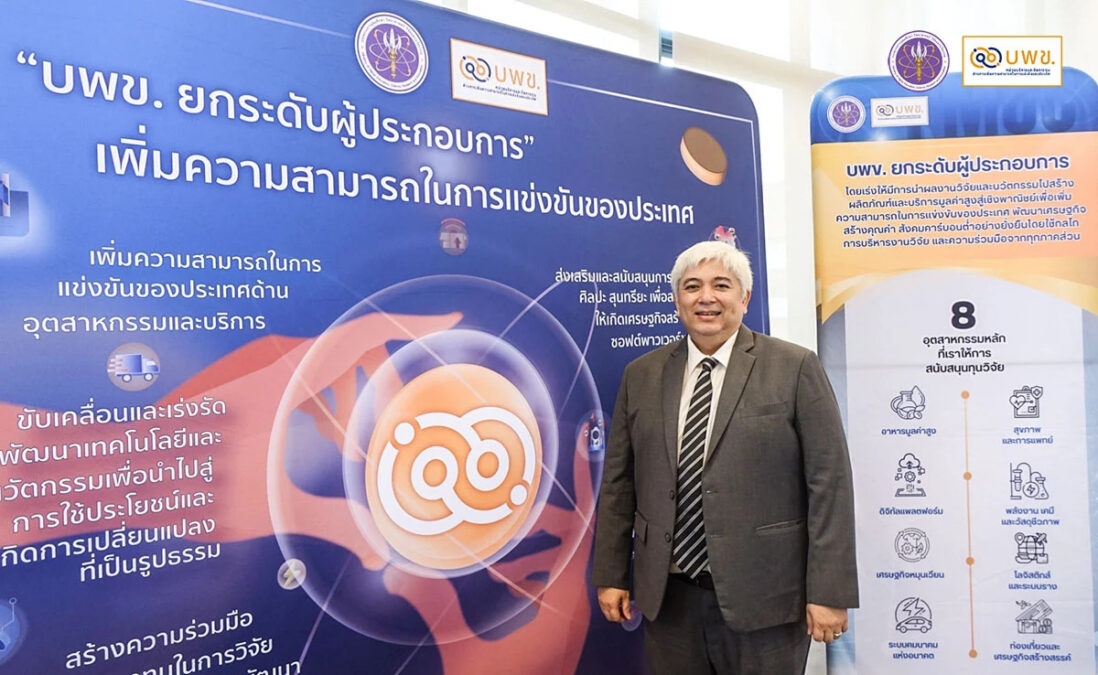
Dr. Navatat Kongsamut, member of the Future Mobility Subcommittee, PMUC, provided additional information on funding support directions for research and innovation related to the aviation industry to facilitate commercial use.
“The funding support direction of the Future Mobility Program focuses on Demand-driven investment, meaning supporting research with clear market demand and high potential for commercialization. The funding goal of the Future Mobility Program covers all types of vehicles, including cars, electric motorcycles, and trains, both conventional and light rail, and of course, aircraft. Currently, there is a trend towards electric and unmanned aircraft, as well as waterway transportation. This funding support aims to cover research that addresses the needs of all vehicle systems, from prototypes to subsystems, such as battery systems and battery power control systems.”
“Regarding unmanned aerial vehicles, we are focusing on electric-powered UAVs. Currently, the funding emphasis is on developing platforms or applications to meet drone usage patterns. Drones are being used for medical supply delivery, cargo delivery, and operational system design to provide safe services both within and outside urban areas. An example of clear out-of-town service is the drone network project for consumer goods transportation in Phuket Province. This project involved discussions with local agencies and is the first to create a commercial service model, accepted by all sectors.”
Thus, the research project in Phuket Province serves as an example of research supported by PMUC, which is in the form of an Operating Model platform rather than just focusing on cargo drone development. It includes a clear Business Model, and besides funding such projects, emphasis is also placed on funding infrastructure projects related to drone usage, known as UTM or UAS Traffic Management. Currently, three projects with different system designs have received funding, and the intention is to integrate all systems because it is still uncertain where drones will be extensively used, especially urban drone usage. Even in foreign countries, there is not yet widespread acceptance of urban drone usage, primarily due to societal acceptance and drone flight safety concerns. However, we are preparing infrastructure to accommodate drone flights as efficiently as possible, especially regarding the previously mentioned infrastructure, as if there are multiple drones flying in the same area, how to manage them to reach their destination on time without collisions or obstacles.”
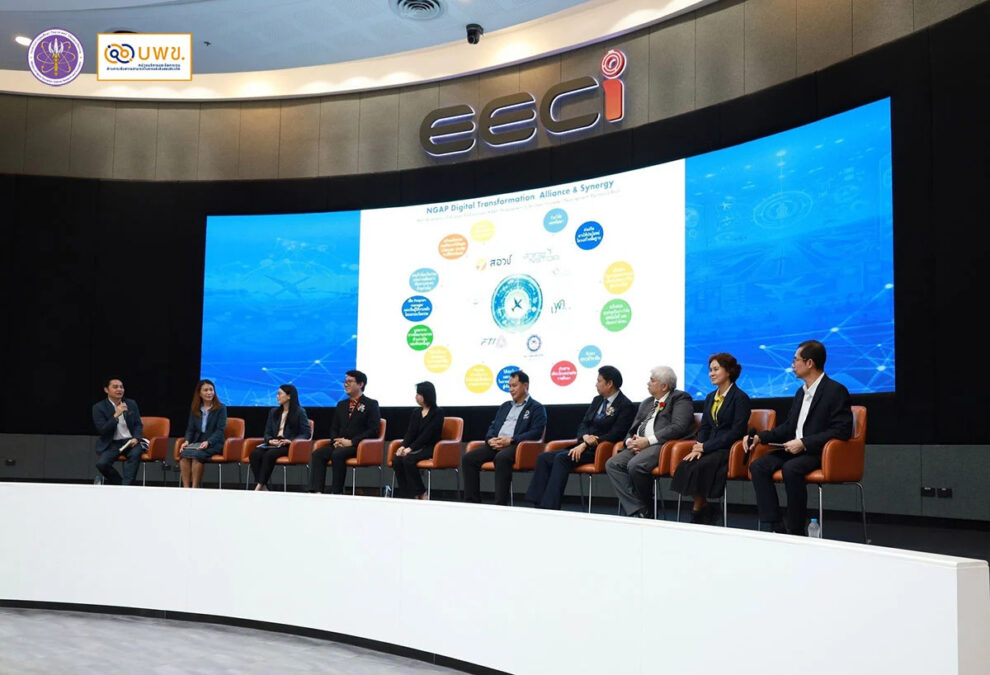
“In terms of creating a Drone Ecosystem, PMUC has opened to proposals for funding projects, even in policy-related matters, such as creating standards for drones and testing drones, which will be adopted as standards for regulatory bodies, such as the Civil Aviation Authority of Thailand, for future use.”
“Furthermore, creating standards is another factor that instills confidence that when drones are flown in public areas, the risk is reduced or at an acceptable level. Therefore, creating standards is like putting on shirt buttons in advancing the drone industry in Thailand. If the first button is correct, the promotion and development of this industry will progress in the right direction and appropriately.”
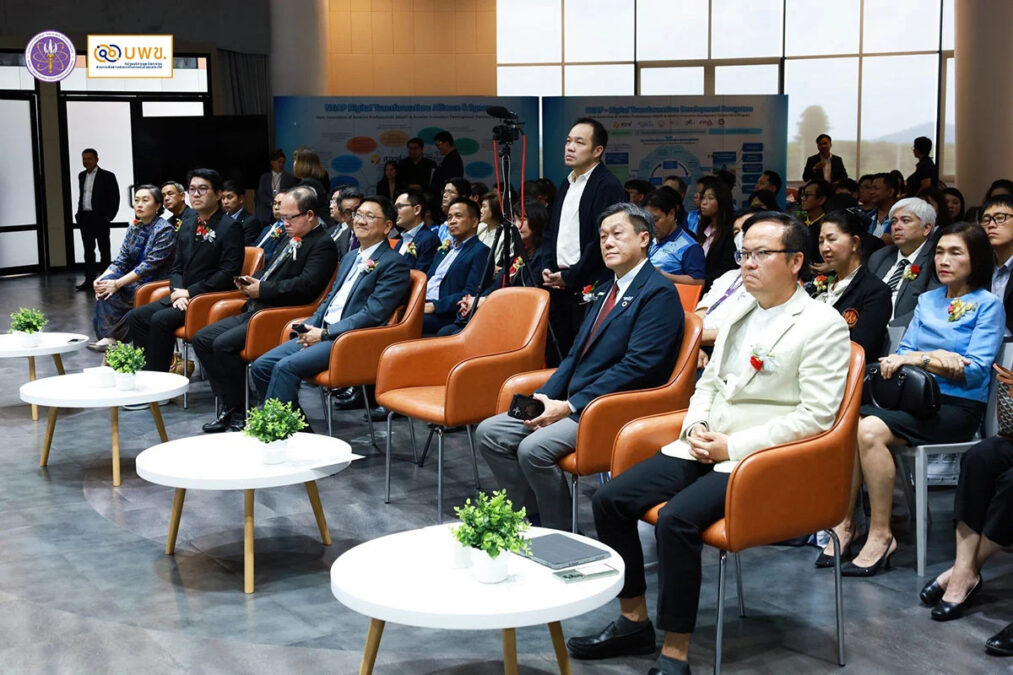
“Today’s MOU signing on cooperation in personnel development and aviation innovation is a good example of building a collaborative network. Previously, each agency worked independently, but with this MOU, Thai Airways International Public Company Limited has joined hands with six other main agencies responsible for research and development policy in workforce development like the NXPO and NSTDA, as well as the funding agencies such as PMUC and PMU-B, and including the training agencies such as vocational colleges, which create effective cooperation according to the objectives set forth. This allows us to see both challenges and pain points that need to be addressed together, such as creating the mentioned standards. If standards are established, research and innovations will be more effectively utilized.”