According to the latest data from the Ministry of Tourism and Sports, it is clearly stated that the total number of foreign tourists entering Thailand between January 1 and April 30, 2024 (4 months) was 12,127,447, generating accumulated revenue for Thailand amounting to 583.902 billion baht. This statistic further emphasizes that the Thai tourism industry is a key driver of Thailand’s economy. At present, a major challenge for all sectors is to elevate the competitiveness of Thai tourism businesses, moving toward carbon-neutral tourism before advancing to Net Zero Tourism in the next phase. Achieving this goal will require collaboration from all related parties, both public and private, to push this mission towards its target.
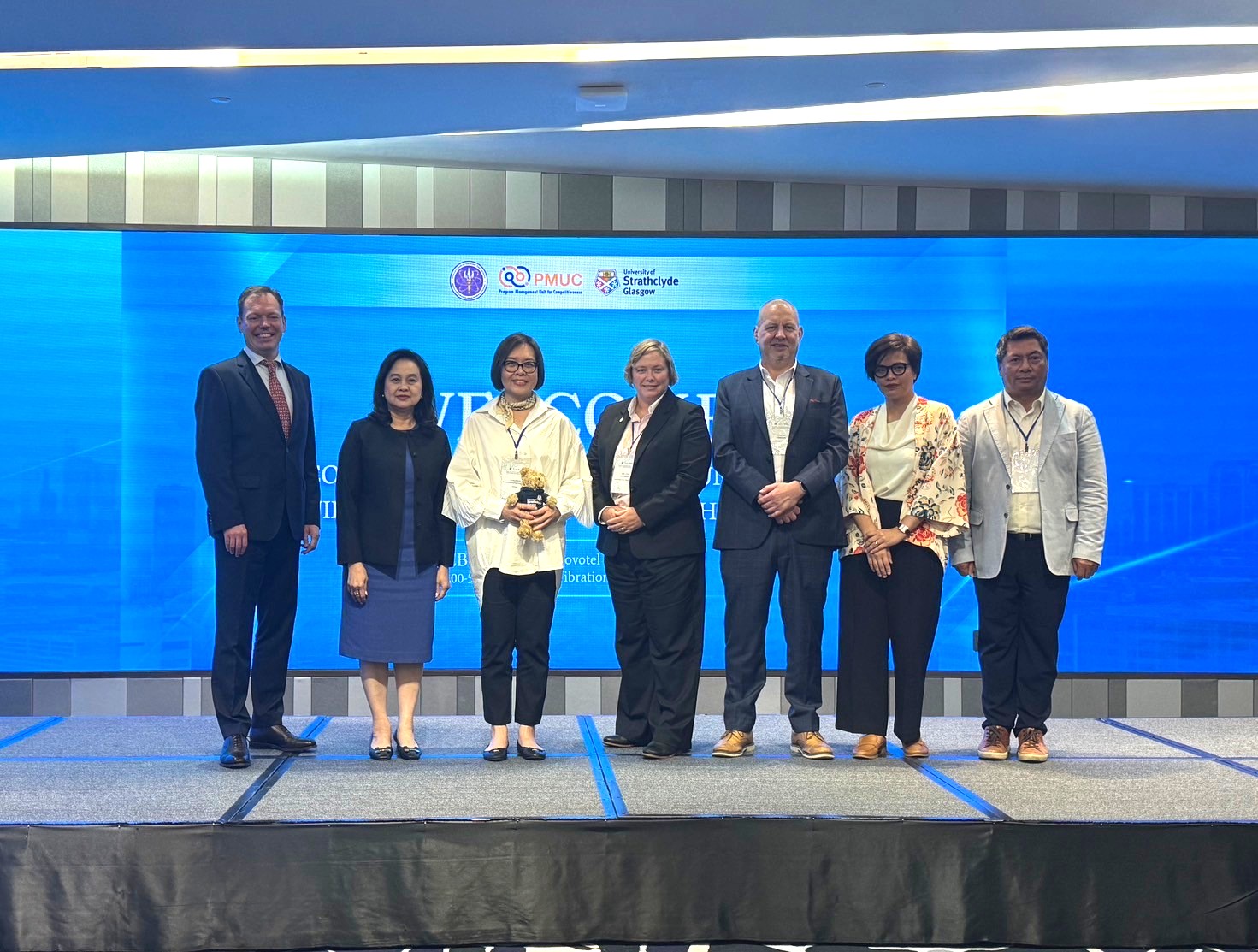
Recognizing the importance of this mission, the Tourism and Creative Economy Program under the Program Management Unit for Competitiveness (PMUC), under the Ministry of Higher Education, Science, Research, and Innovation (MHESI), chaired by Assistant Professor Supawadee Potiyarach or “Ajarn Pa” to her young researchers, along with a subcommittee representing both public and private sectors, has been driving the tourism economy to create income and improve the quality of life for people and service providers in Thailand’s tourism industry. They have initiated the Carbon Neutral Tourism (CNT) program to support reducing carbon dioxide emissions as much as possible, a program that has been in operation since 2021.
This project was established in 2021 through collaboration between 3 ministries and 9 partners, including the Thailand Science Research and Innovation (TSRI), Tourism Authority of Thailand (TAT), Thailand Convention and Exhibition Bureau (TCEB), Designated Areas for Sustainable Tourism Administration (Public Organization) (DASTA), Thai Chamber of Commerce/Thai Chamber of Commerce Association, and new partners in 2024 such as the Department of Tourism. Additionally, the private sector, notably the Thai Ecotourism and Adventure Travel Association (TEATA), plays a key role in driving Thai tourism towards the goal of Net Zero Tourism.
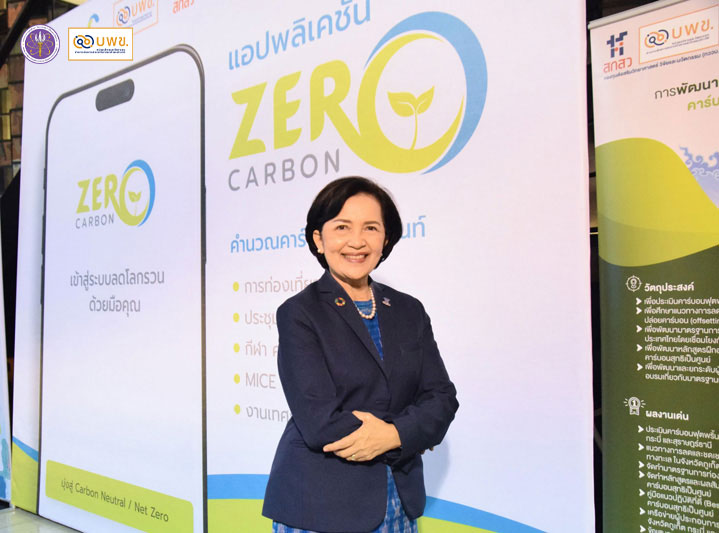
In addition to moving forward together to design programs and tourism activities that are internationally recognized, catering to high-quality tourists and allowing businesses to genuinely generate income for the country, the initiative also seeks to push carbon-neutral tourism as a transition toward Net Zero Tourism. Furthermore, the development of the Zero Carbon application, or “Zero Carbon app” for short, has been supported by the National Science, Research, and Innovation Fund (NSRF) through PMUC. It is being developed in collaboration with TGO (Thailand Greenhouse Gas Management Organization), TEATA, and related networks.
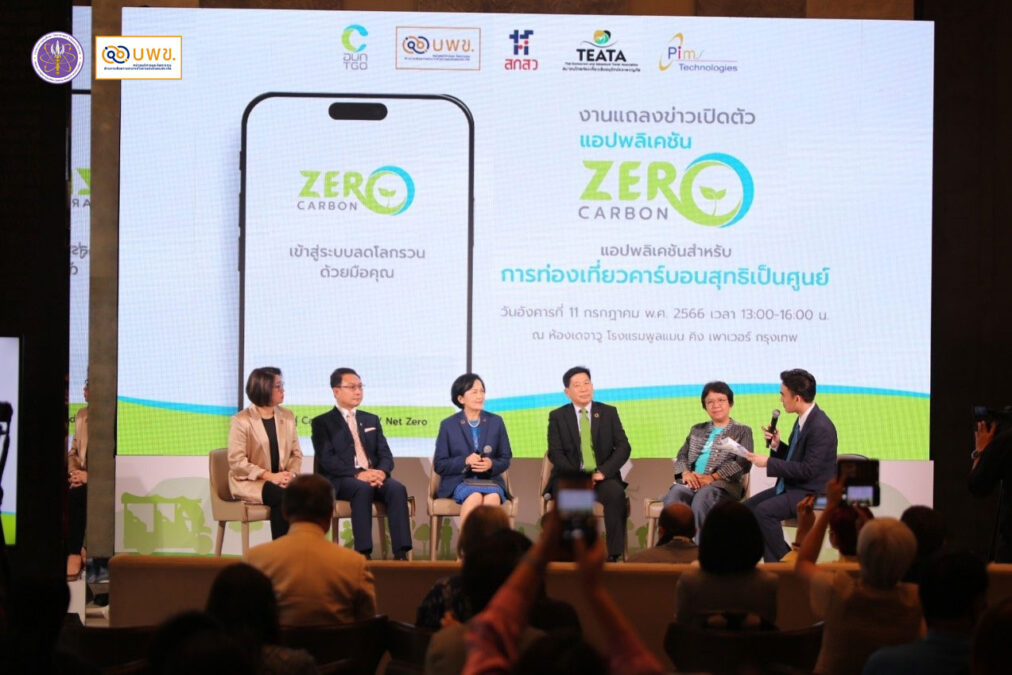
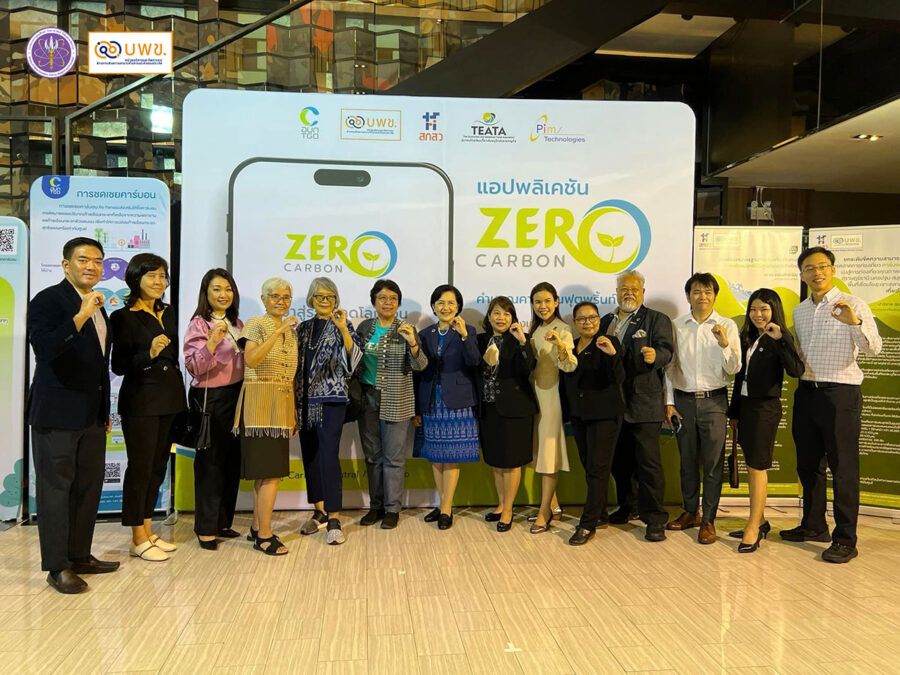
The Zero Carbon app is being developed by TGO, with PMUC providing funding, and it is designed with the help of researchers managing the app’s backend system. This app is a crucial tool that allows travelers to test the app, collect data, and assess the greenhouse gas emissions from travel, such as the carbon footprint of different tourism activities. Additionally, it helps facilitate the purchase of carbon credits to offset all emissions generated from those activities. The use of the Zero Carbon app represents a simple, fast, and low-cost method of self-certifying carbon footprints compared to other certification methods.
Moreover, to understand the background and design concept of this application and the initiative to educate Thai tourism operators on organizing carbon-neutral tourism activities as a transition toward Net Zero Tourism, further details will be provided in the next phase.
Nipatpong Chuanchooen, former vice president of the Thai Ecotourism and Adventure Travel Association (TEATA), who is part of the research team for the Carbon Neutral Tourism (CNT) plan and co-developer of the Zero Carbon application, provided additional information:
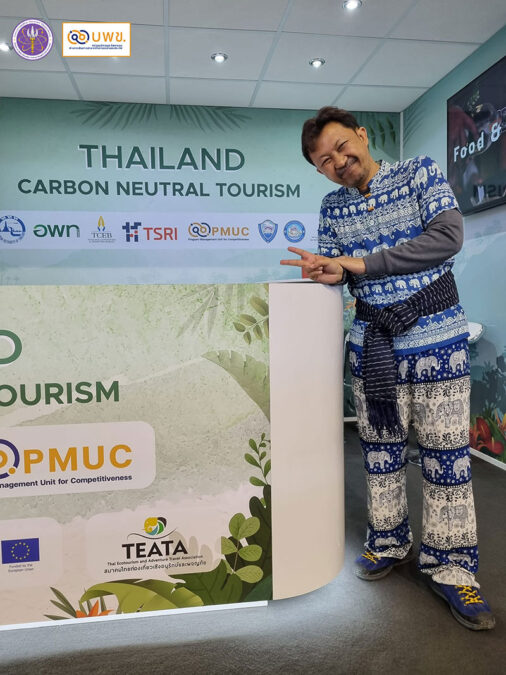
“At this moment, the big picture that the global tourism industry visualizes is Net Zero Tourism, which will take time to move towards that goal, and it remains quite difficult. However, what the tourism sector can currently achieve is the level of Carbon Neutrality. This is a mechanism to assess the carbon footprint and support compensation or offsetting through various methods.”
“In the context of the research aimed at supporting the Thai tourism sector that I oversee, which is funded by the Creative Tourism and Economy Plan under PMUC in the first three years, we will focus on tourism operators and local communities. As of now, there are approximately 13,500 registered tourism businesses in the system, and we estimate that there are no fewer than 3,000 communities offering tourism activities. In total, there are about 17,000-18,000 businesses providing tourism-related activities.”
“In 2021, only a few tourism businesses and communities in Thailand were able to achieve Carbon Neutrality. This is due to several obstacles. The first major hurdle is that assessing the carbon footprint is very challenging. For small and medium-sized enterprises (SMEs) that want access, they would need to hire consultants, which can cost tens of thousands of baht per session. If this remains the case, the Thai tourism industry will continue to lack the capability to assess carbon footprints for a long time.”
“Thus, the key research question is how to equip the Thai tourism sector with an easy-to-use, self-administered, and nationally recognized tool for carbon footprint assessment. This is the target we are working towards in the first year of the project.”
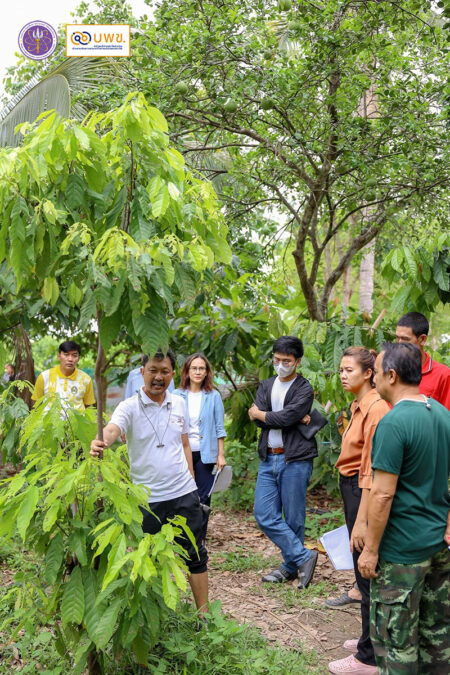
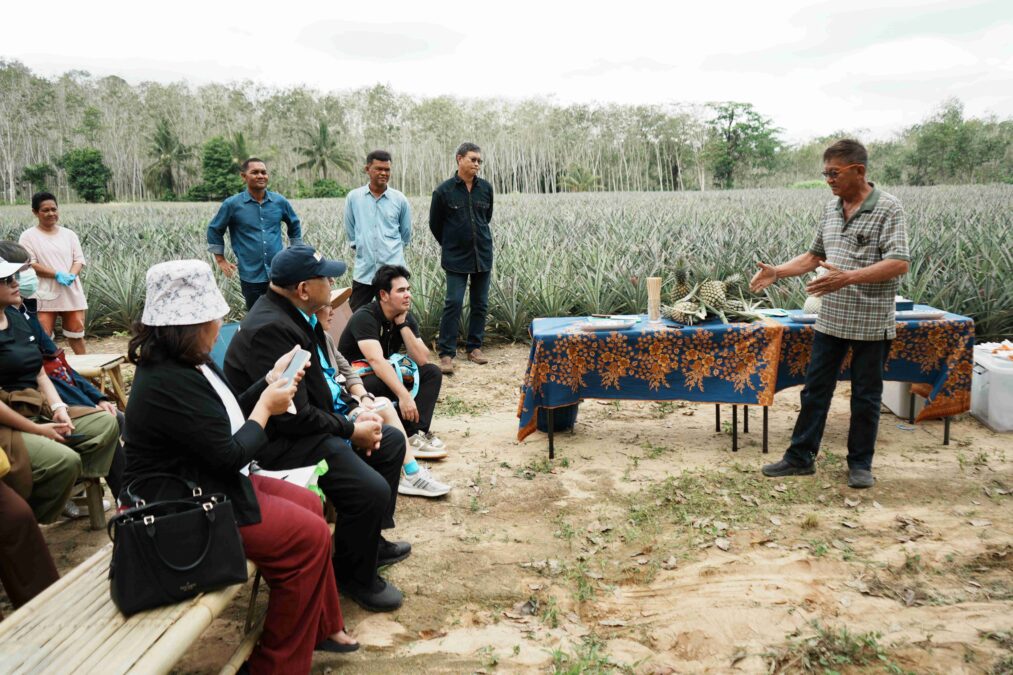
“And it is from this research question that led to the collaboration among all sectors, including PMUC and the technical committee of TGO. We are involved in the process of establishing standards in collaboration with TGO, creating specific criteria to assess the carbon footprint for tourism activities such as trekking, scuba diving, kayaking, and boat services ranging from yachts to long-tail boats. Previously, without clear standards, tourism operators found it difficult to assess their carbon footprint, and results varied from one assessment method to another.”
“The specific criteria will focus on key indicators such as transportation methods, accommodation choices, and waste management. The technical team of TGO and researchers have also developed an average greenhouse gas emission factor to simplify the calculation. This program has been applied in practice, and researchers can now assess the carbon footprint of these activities based on the country’s central standards, which are credible and nationally accepted. In the first year, 39 tourism businesses successfully implemented this.”
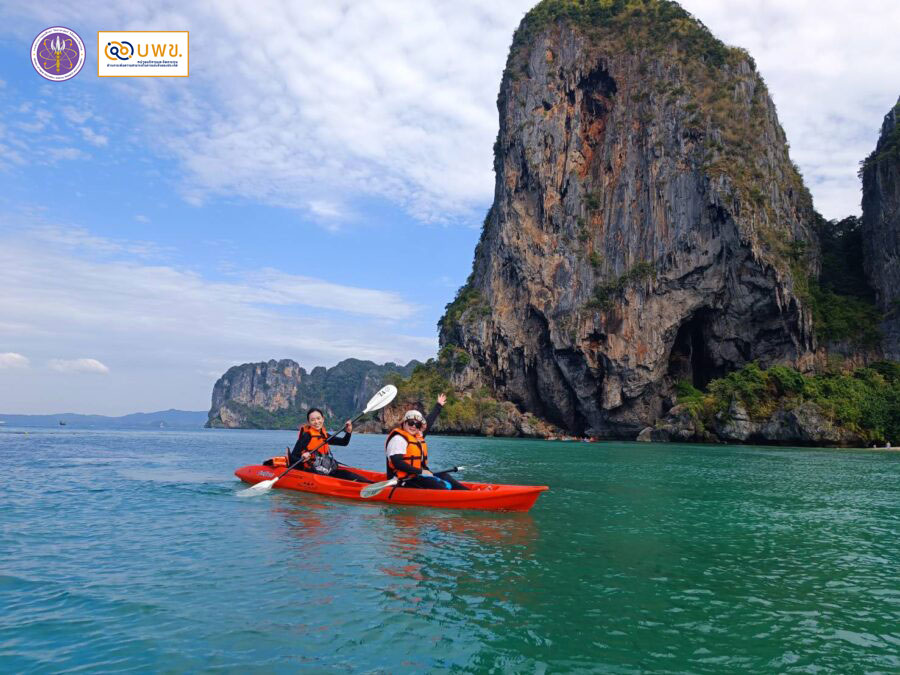

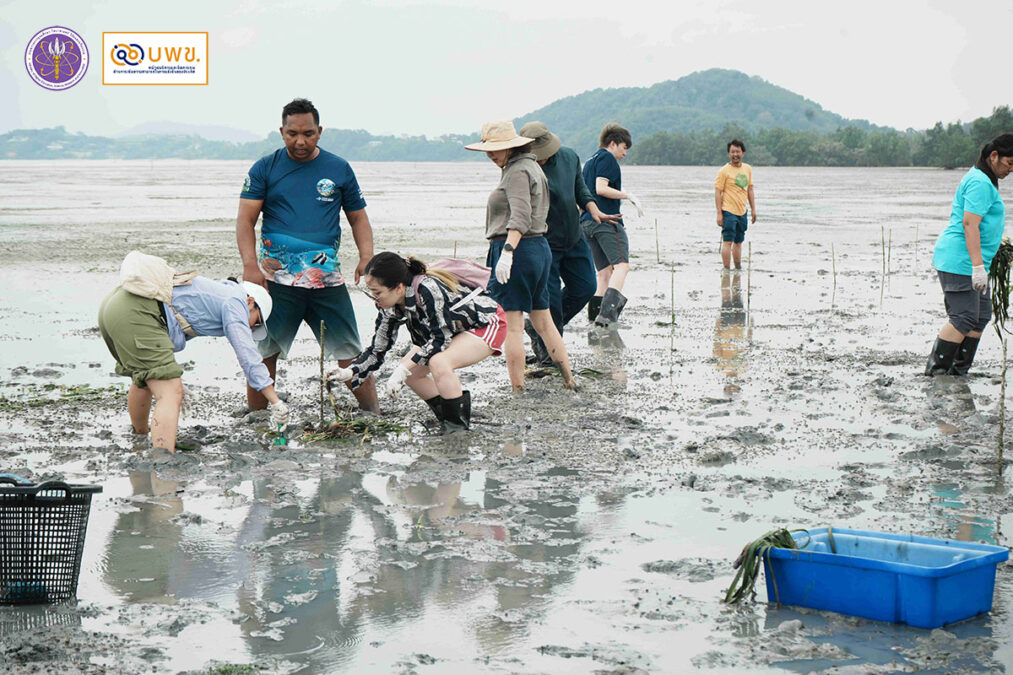
“In the second year, Associate Professor Supawadee, chair of the tourism and creative economy subcommittee under PMUC, discussed with TGO the possibility of making the carbon footprint assessment mechanism more accessible for tourism operators. At that time, the TGO Director (Mr. Kiatchai Maitriwong) agreed that this aligned with their thinking and proposed testing it with the travel and event sectors, transitioning from a ‘verification system’ to a ‘self-certification system.’ To clarify, the most accurate system for carbon footprint assessment is the product carbon footprint assessment, which already has its own method. However, each assessment incurs high costs. Although we have developed specific criteria to make it more widely applicable and faster, it still requires time for approval and incurs costs. As a result, small businesses that are just starting out are not very interested in pursuing this.”
“Only around the end of 2023, the concept of creating an application to allow Thai tourism operators to participate in the carbon footprint assessment process through a self-certification mechanism was finally realized. I must say that no other country has such a mechanism. With the Zero Carbon app, anyone can calculate the carbon footprint of their own tourism activities—whether organizing events, running races, concerts, meetings, or seminars—in just 15 minutes. This application makes it easy for the general public and small businesses to access carbon footprint assessments for the first time.
The app was launched on November 23, 2023, and by now (June 2024), over 2,100 people have downloaded it. There have been more than 600 calculations performed, and carbon footprint offsets have been processed 150 times, amounting to over 400 tons of carbon credits being offset.
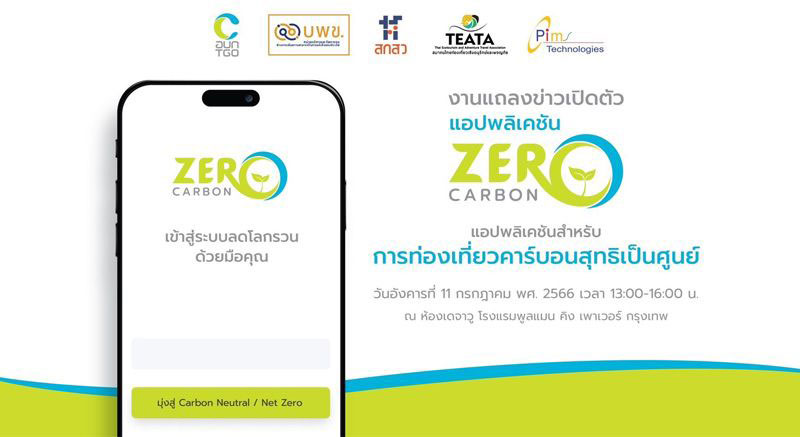


The current goal for the Zero Carbon app is to have about 6,000 users download it. This would mean that a significant portion of the Thai tourism sector has gained access to carbon footprint assessments. The first step in managing greenhouse gases is to learn what activities release carbon. For instance, how much carbon is emitted from different types of waste disposal? Or how much carbon is released when using a train compared to a personal car? For those wishing to transition, we recommend starting by reducing emissions at the source. For areas where this isn’t possible, carbon offsets will be used to achieve net-zero carbon emissions, following one’s own method and adapting to a personally suitable approach.
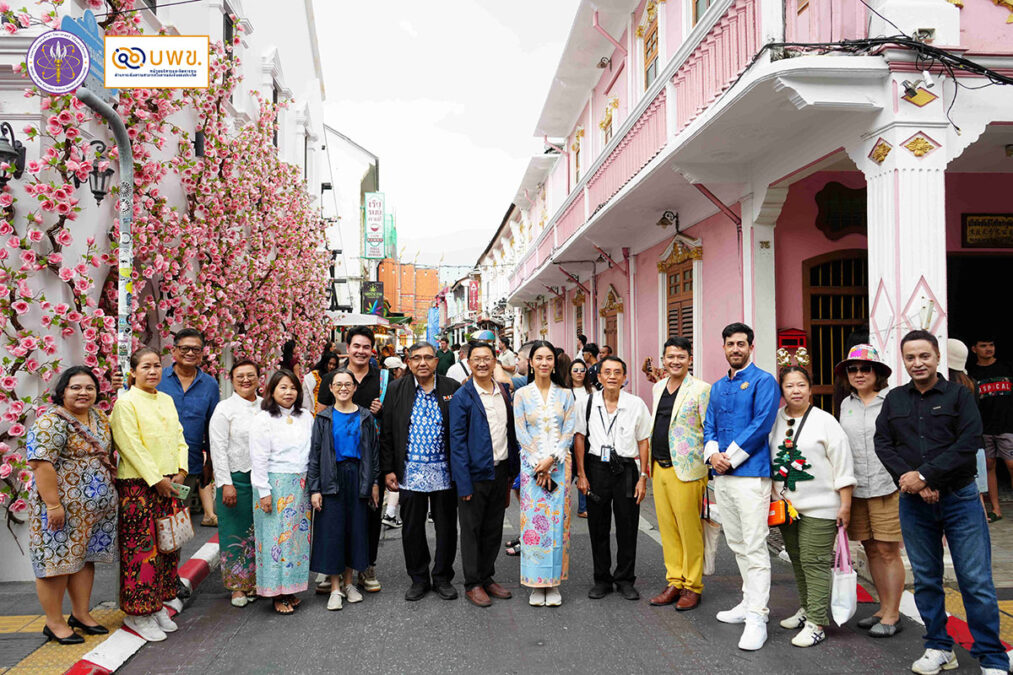
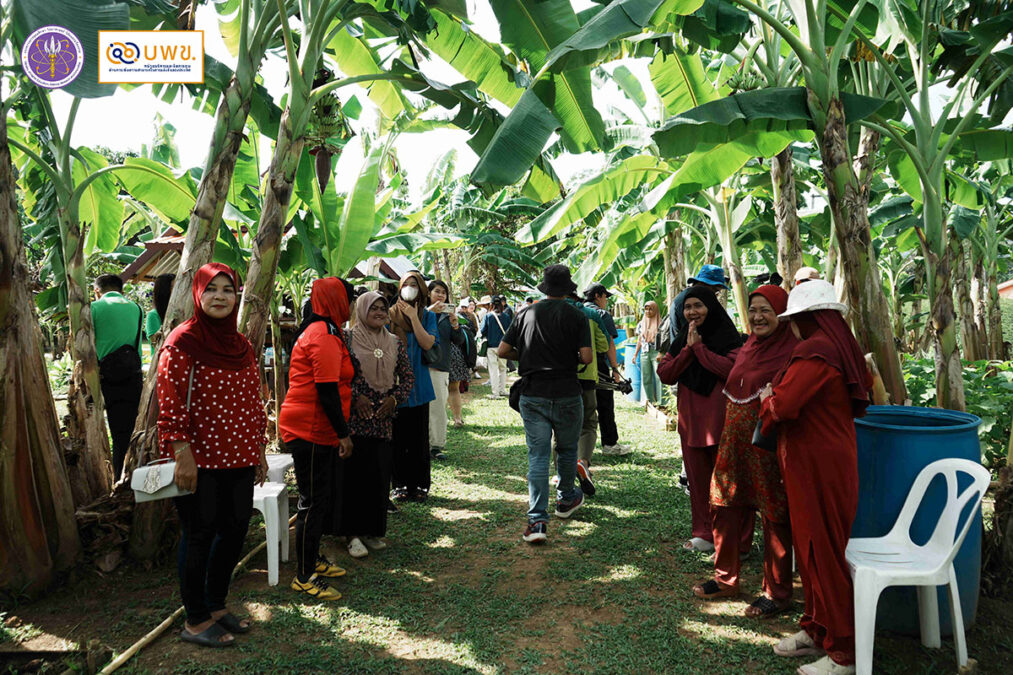
After developing the Zero Carbon app, we had to engage in public communication to inform people. Therefore, we organized zero-carbon tourism trips in Phuket and Krabi provinces to demonstrate how such tourism should be managed in practice. We gathered feedback from participants to see if they noticed any differences compared to regular trips. For example, we changed the vehicle used to pick up tourists from the airport from a van to a local bus, or ‘Po Thong,’ which can carry more passengers and reduce the number of vans needed.

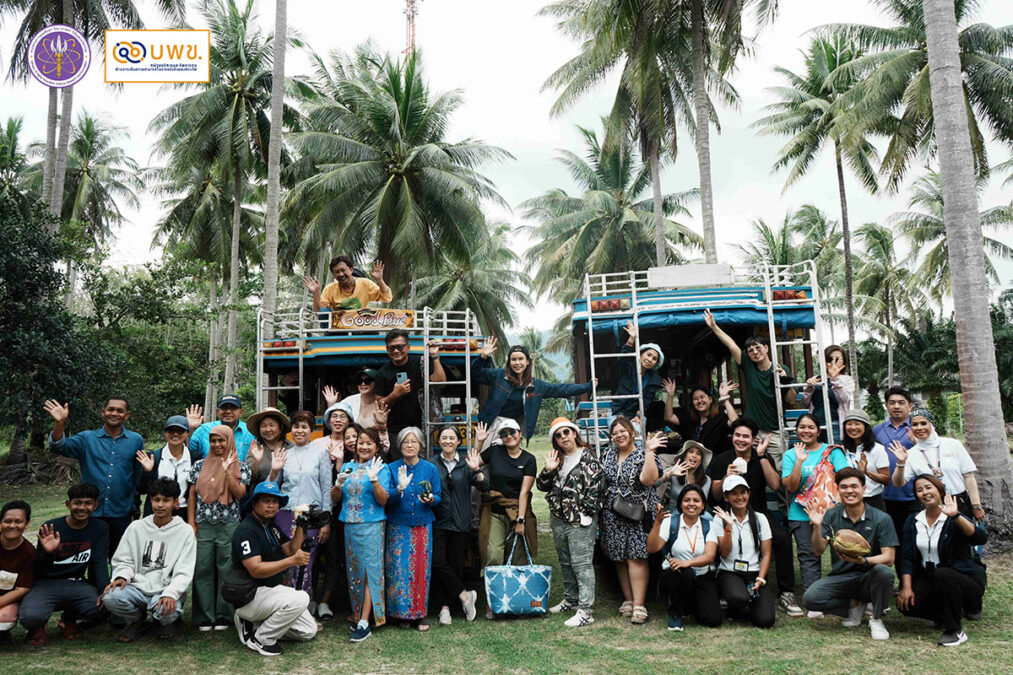
However, using a Po Thong, which is a non-air-conditioned bus, could make participants feel hot due to the long distance from the airport to the city. To address this, we added stops at tourist or community sites not far from the airport, with a travel time of no more than 20 minutes. This allowed participants to get off the bus, change the atmosphere, and visit 3-4 tourist spots along the way to Phuket city. This way, revenue was spread to local communities and businesses, rather than following the traditional tourism model, which heads directly to the main attractions, leaving the sites along the way with little benefits.
That said, the Zero Carbon app is currently a crucial tool that is relatively stable and functional. It plays a role in educating Thai tourism operators about the primary sources of carbon footprints. For operators wanting to achieve carbon neutrality, we recommend using the Zero Carbon app. If they wish to enhance their efforts further, we have standards and guidelines for reducing carbon emissions in the tourism sector, which will help them make more detailed and significant reductions, eventually leading to the establishment of science-based targets and the creation of a Net Zero Pathway.
Looking ahead, the research team’s focus from 2024 to 2027 will be on developing tools for Net Zero Tourism. Globally, there have been guidelines on how to achieve Net Zero Tourism, but nothing concrete has emerged yet. This goal presents a considerable challenge to the global tourism sector. Currently, Thailand is on the path to Net Zero Tourism, which only a few countries in the world can claim.”
“And Thailand is still considered the only country that has a self-certification mechanism to support carbon offsetting easily. Other countries still view carbon credit offsets as a matter for large industries, which require carbon footprint inspectors. If tourism operators were to follow the same carbon measurement procedures as the industrial sector, it would involve high costs. Thus, the Zero Carbon app was created and has effectively addressed this issue. This is an opportunity that the PMUC recognized and supported, bringing it into practical use. It has been accepted that Thailand is the only country in the world using this app. As for its weaknesses, such as inaccuracy, we have addressed this by allowing for some margin of error (leakage) and focusing on real reductions and changes by the operators themselves rather than just numbers for offsets to avoid green-washing.”
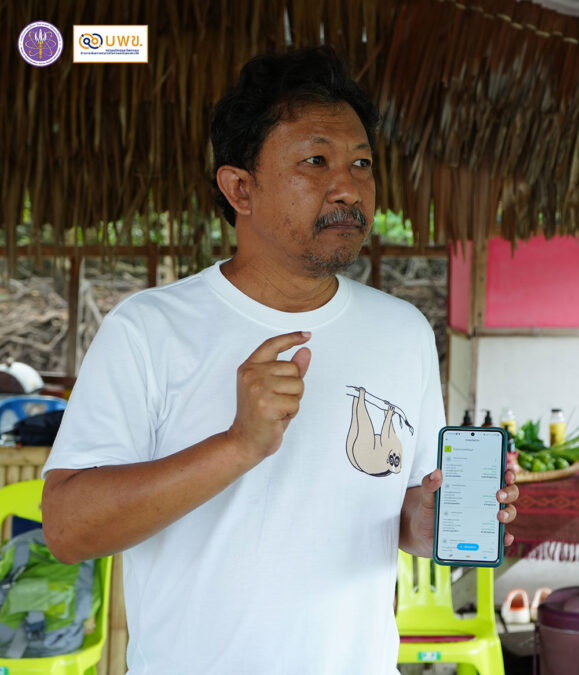
“I see the Zero Carbon app as a game changer that helps the Thai tourism sector easily access carbon footprint assessments and achieve carbon credit offsets with the goal of net-zero carbon through self-certification. Moving forward, we want to expand the use of this app, extending it to the ‘Carbon-Free Thailand Tourism’ group we’ve established as an Open Chat group where members exchange ideas on managing greenhouse gases in tourism. Currently, there are around 620 members, and we aim to increase the number of Zero Carbon app users to raise awareness of self-assessed carbon evaluations.”
“And we can say that now, the tourism and creative economy plan, with the PMUC and all relevant sectors responsible for developing Thailand’s tourism industry, is moving toward Net Zero Tourism. We have already achieved the first step by enabling the first group of small operators to successfully assess their carbon emissions through self-certification. This shows that the remaining small tourism operators can do it as well. This was the original concept—starting from the bottom up, beginning with small and micro-operators, then gradually expanding to medium- and large-scale tourism businesses and industries.”
“Furthermore, we see that the data collected from the Zero Carbon app has immense value and can be used to build confidence in assessing the carbon footprint of Thailand’s tourism sector, as it is based on real data from app users. Researchers can also use this data for studies related to the development of Net Zero Tourism.”
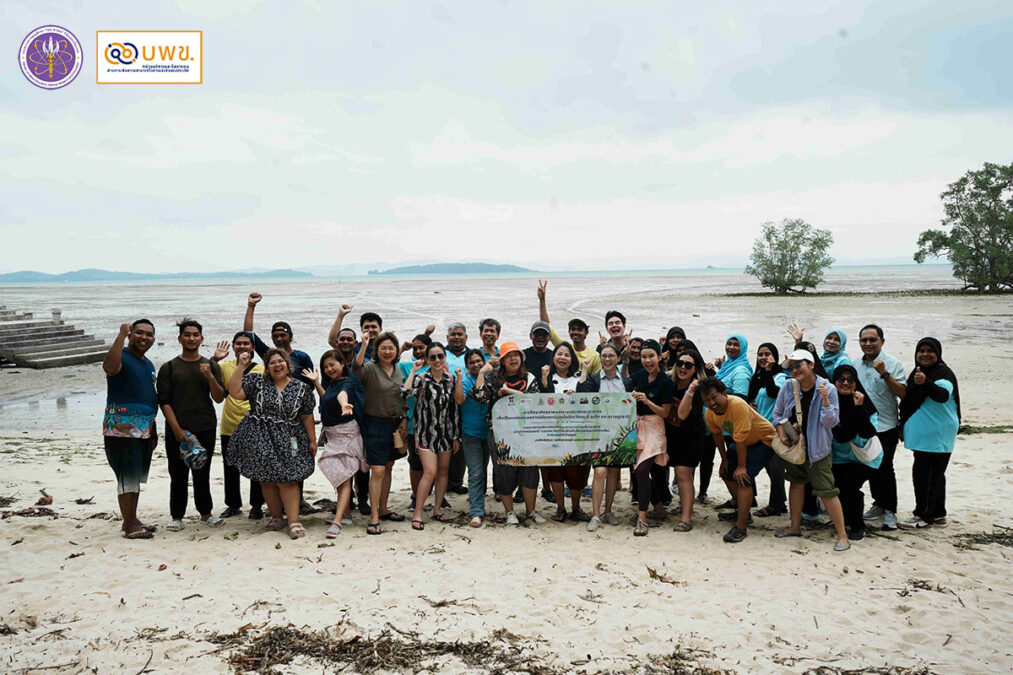
“Our dream is for Thailand to have evidence showing that we have tourism operators who understand carbon neutrality and net-zero GHG emissions, and who are taking various actions to combat the global climate crisis. This would ultimately affect our ranking in terms of sustainable tourism development, particularly on environmental issues.” Mr. Niphatpong concluded.