Did you know that Thailand is currently undergoing a significant demographic shift? By the year 2025, our country will become a fully-fledged Aged Society, meaning that out of the total population of 66.5 million, 20.42 million will be elderly (people aged 60 and over). Within this group, the number of bedridden patients is also steadily increasing.
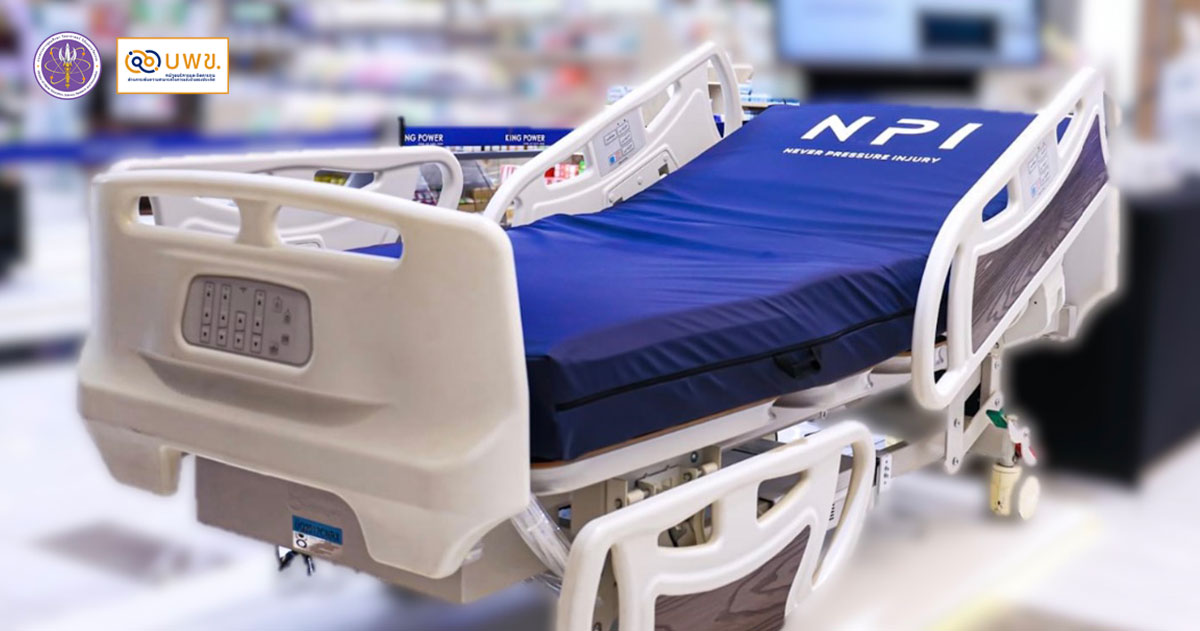
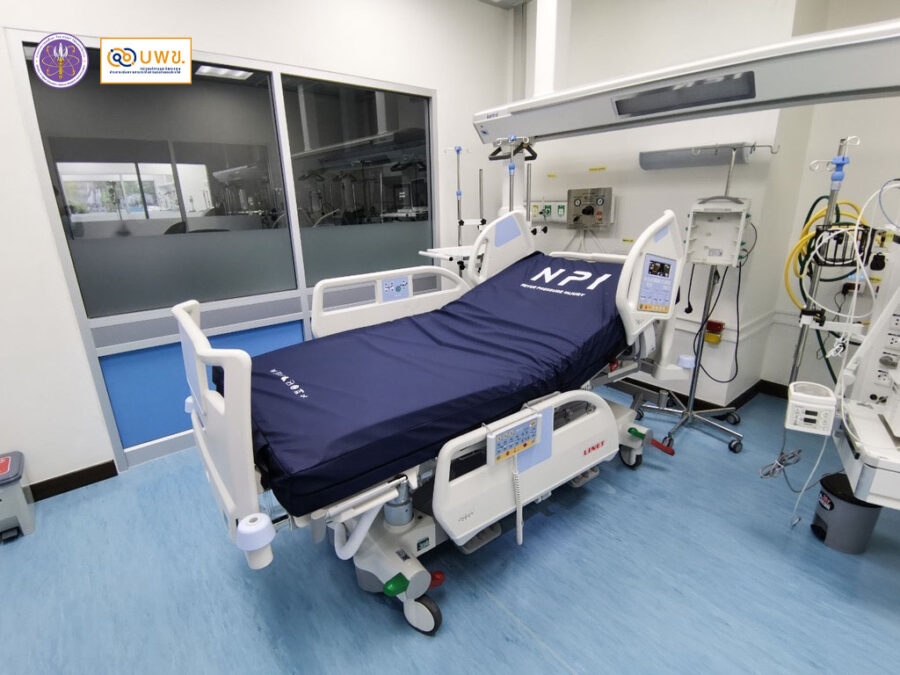
At present, it is estimated that there are approximately 1 million bedridden elderly individuals out of a total of 12 million elderly people. This situation has led to the development of an innovation called the “Automated Personalized-based Pressure Control System to Prevent Pressure Injuries in Patients at Hospitals, Care and Rehabilitation Centers, and for Patients Recovering at Home,” or Never Pressure Injuries (NPI). This innovation was created by Dr. Prakarnkiat Yangkong and his team at the Institute of Field Robotics (FIBO), King Mongkut’s University of Technology Thonburi (KMUTT), with full support from the Program Management Unit for Competitiveness (PMUC), under the Ministry of Higher Education, Science, Research and Innovation, through the LIF project.
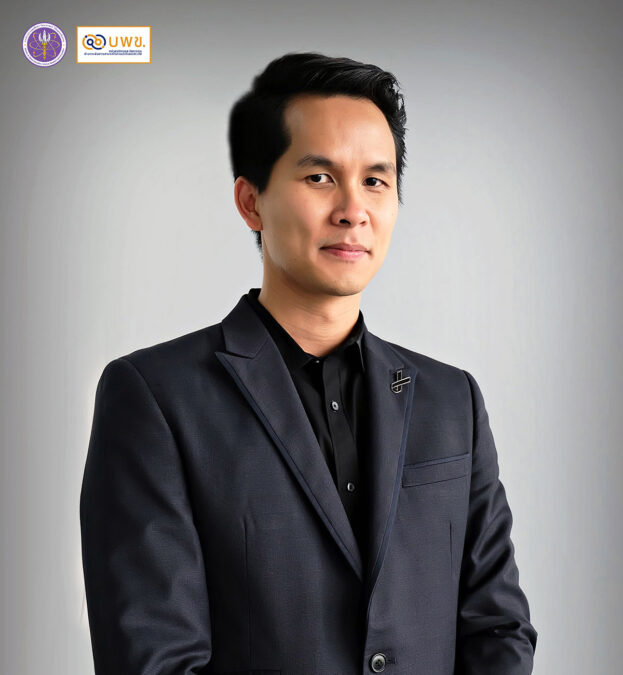
Dr. Prakarnkiat Yangkong completed his bachelor’s and master’s degrees at Rensselaer Polytechnic Institute and the University of California Los Angeles (UCLA) respectively, and his Ph.D. in Electrical Engineering from the Faculty of Engineering, King Mongkut’s University of Technology North Bangkok. He has a special interest in research on Machine Learning and Bioinformatics, which applies various branches of computer science, particularly technology and medical sciences.
Collaborating with Medical Experts
“After returning to work as a professor, my first mission, which I put a lot of effort into, was using robotics to support the prosthetic limb project under HRH Princess Maha Chakri Sirindhorn. Since I did not have a medical background but needed information and explanations about muscles and caring for people with disabilities, I sought advice from several medical professors, particularly at Ramathibodi Hospital. Later on, I was given a new challenge by a medical professor who asked whether it would be possible to develop a rehabilitation robot to aid in movement recovery. After discussing the details, we transformed the idea into engineering work, which was the beginning of the ‘Automated Personalized-based Pressure Control System to Prevent Pressure Injuries in Patients at Hospitals, Care and Rehabilitation Centers, and for Patients Recovering at Home’ or Never Pressure Injuries (NPI). The innovation has since been continuously developed, achieving ISO standards and other certifications, and its cost effectively replaces imported robots,” Dr. Prakarnkiat explained the background of this standout innovation.
Additionally, while developing this innovation for patient rehabilitation, Dr. Prakarnkiat had the opportunity to further discuss with various medical personnel, such as a team of pharmacists, who needed technology to address their workflow issues, especially the delays in medication dispensing caused by a shortage of staff compared to the number of patients. During the COVID-19 outbreak, concerns arose about face-to-face meetings and conversations, prompting the implementation of automatic systems and robotic medication dispensers.
Beginning with the Core Issues and the True Needs of Patients
Being bedridden for a long time can cause serious health problems such as pressure ulcers and infections, which may lead to death. It also affects the healthcare system by requiring a large number of medical personnel and increasing healthcare costs.
“Elderly patients and disabled individuals dislike conspicuous or loud technologies because they attract attention. They do not like being watched, even if it’s just through a camera or a window. Patients feel insecure about their abnormal physical and mental state and do not want others to see them in a deteriorated condition,” stated Dr. Prakankiat.
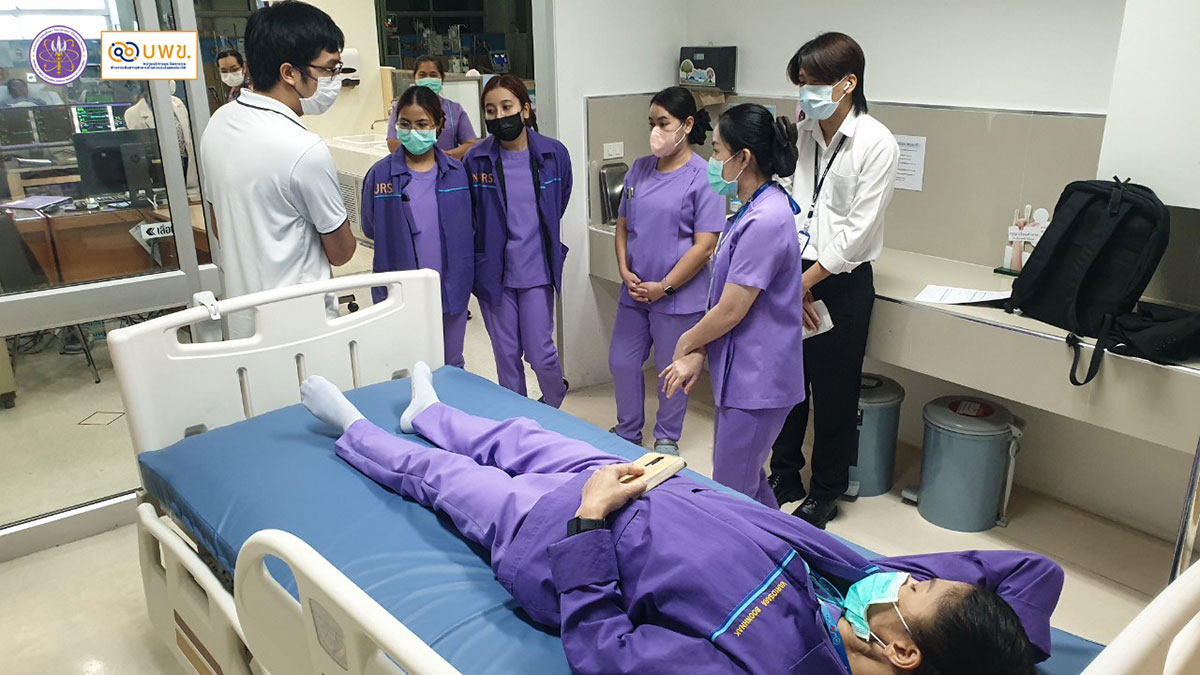
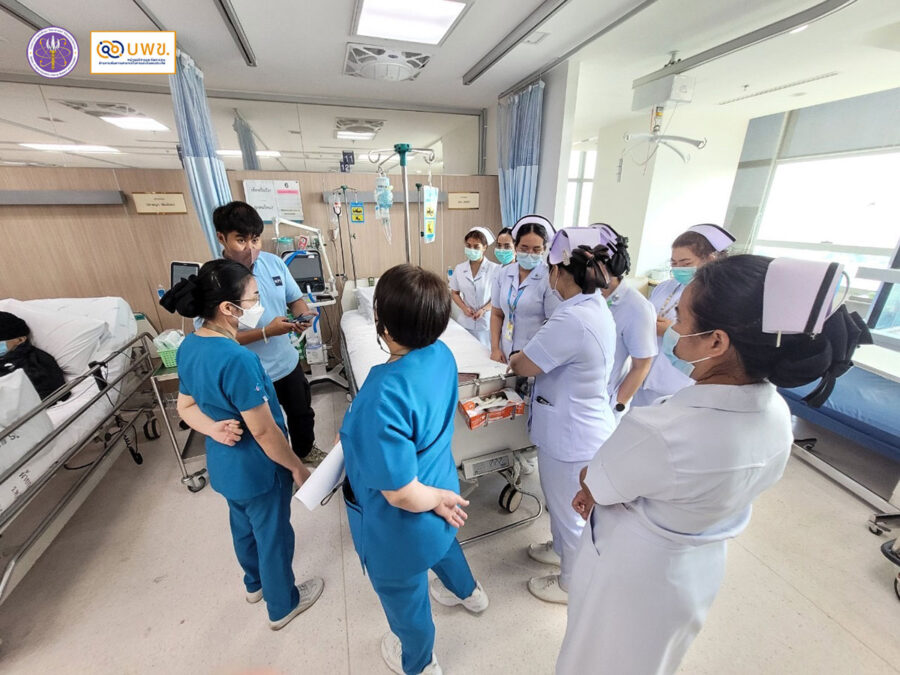
“Nurses often do not understand why patients get out of bed without notifying them, which can lead to accidents. What we discovered from in-depth conversations with patients is that they feel hesitant to call for help late at night when they need to use the restroom. This kind of insight cannot be found on Google and has not been documented in research papers. With this understanding, we decided to eliminate unnecessary technologies. Patients do not like smartwatches or wristbands because they feel monitored. Some even say, ‘This is a patient’s room, not a prison.’ Technology should not add anything new to the patient’s room; it should utilize what is already available in hospitals. Many patient insights suggest that if possible, they prefer fewer visits, no need for turning over, and no unnecessary touching, as it disrupts their rest. Even though it may seem like close attention is good, such as in a VIP ward, frequent visits make patients feel uncomfortable. They want the period after midnight to be truly for rest—no temperature checks or overly frequent monitoring, as it disturbs their sleep and tires out the staff as well.”
Technology and innovations that are efficient and ease the workload of medical staff.
Dr. Prakankiat has keenly identified and understood this issue and thus researched and developed this innovation, which has since been implemented in both public and private hospitals and commercially released last year. The system consists of sensors installed underneath the mattress, which detect body movement and pressure. The data from the sensors is sent to the nurse station’s computer, allowing simultaneous monitoring of multiple beds through a computer screen. The system uses AI to learn each patient’s sleeping patterns, enabling doctors and nurses to provide personalized and more appropriate care.
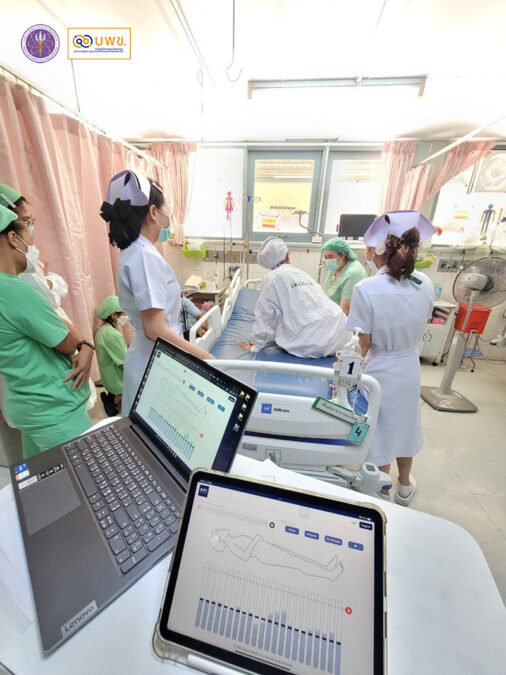
The system uses AI to control automated operations based on movement data spanning over 615,359 hours. In 2023, NPI effectively prevented the formation of pressure ulcers by reducing pressure points, extended the time between necessary repositioning by over five times, minimized contact between patients and medical staff, and increased comfort during sleep.
“NPI uses robotics technology embedded in the mattress. The sensors adjust the pressure slowly to avoid disturbing the patient’s sleep, efficiently preventing pressure ulcers,” he explained.
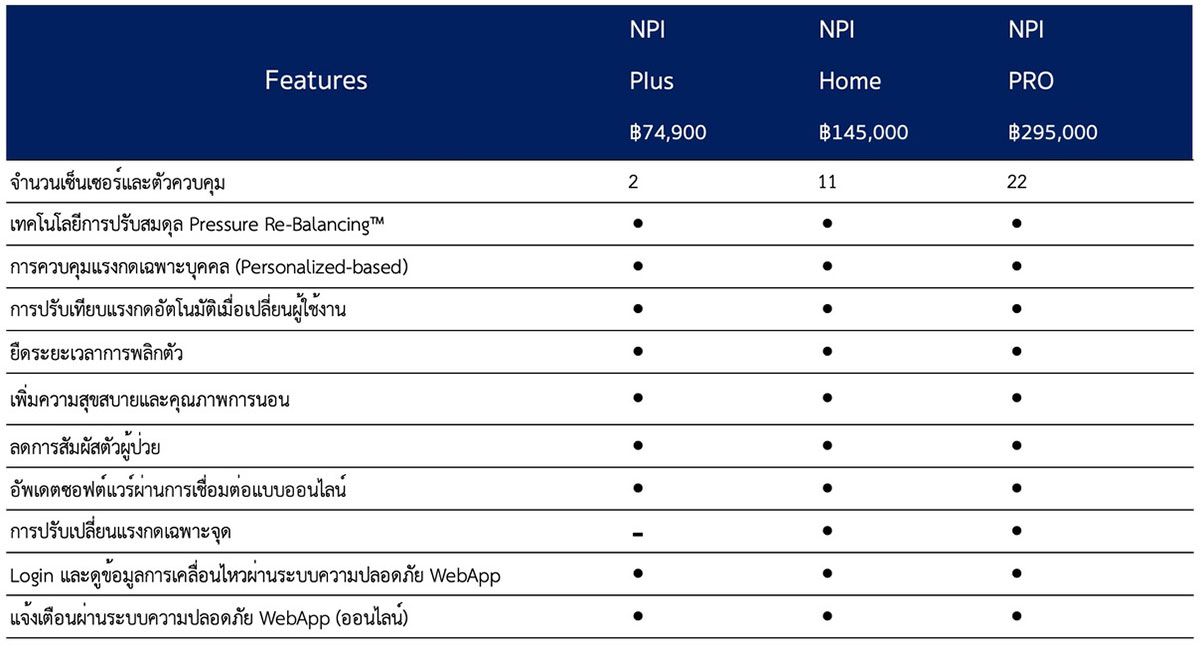
In addition to AI, the system also incorporates Internet of Things (IoT) technology and cloud computing for data storage and analysis, enhancing the precision of care decisions. The price for the half-bed model starts at approximately 30,000 Baht, while the NPI Plus model costs 74,500 Baht (excluding 7% VAT). The full-bed model is priced higher but is still more affordable than impoted models, which are sold for several hundred thousand Baht.
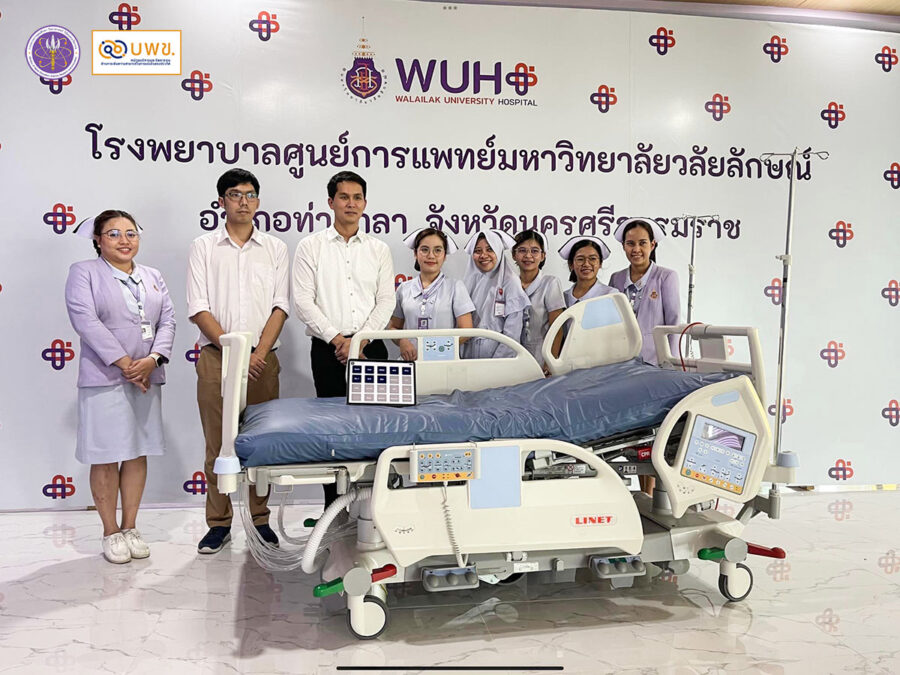
Guaranteeing features and functionality meticulously developed to address patients’ pain points.
Dr. Prakankiat stated that this system can assist three main groups: hospitals, nursing homes, and caregivers of bedridden patients at home. This system not only reduces the caregivers’ workload but also provides detailed information on patient movements and progress, making patient care more effective.
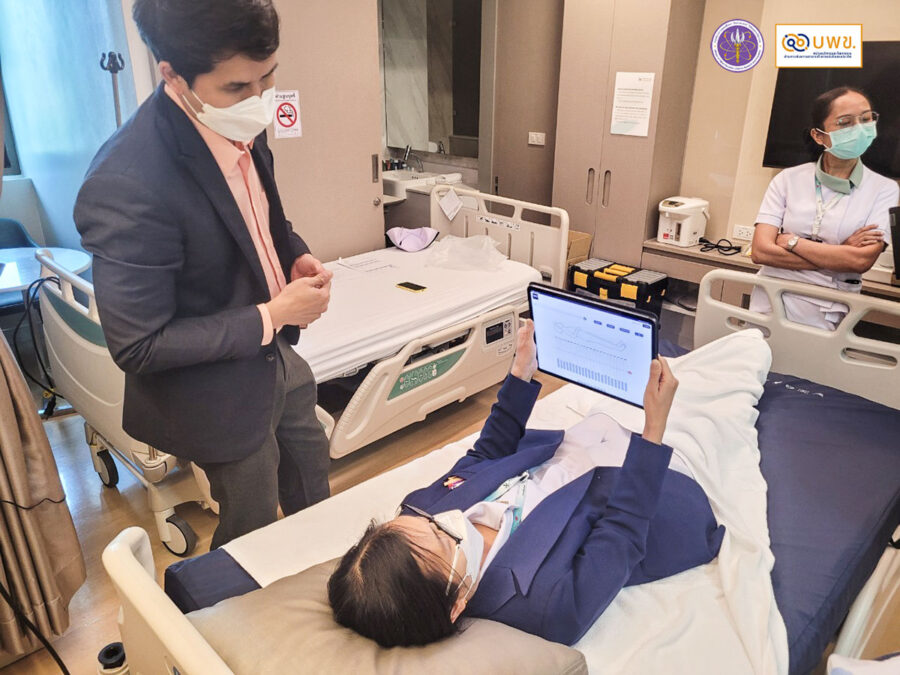
For the overall operation, the system displays the patient’s body position on the bed using colors to indicate pressure levels: white for normal conditions, yellow as a warning that the patient has been in one position for too long, and red to signal immediate attention, as excessive pressure could lead to ulcer formation. The system can also be configured for personalized alerts, such as reminders to turn the patient every few hours. What makes NPI distinct is its use of sensors to detect sleeping positions and pressure levels, then sending the data to a processing system on mobile devices or tablets. If turning is not necessary, the system will recommend reducing the pressure in that area instead of turning the patient.
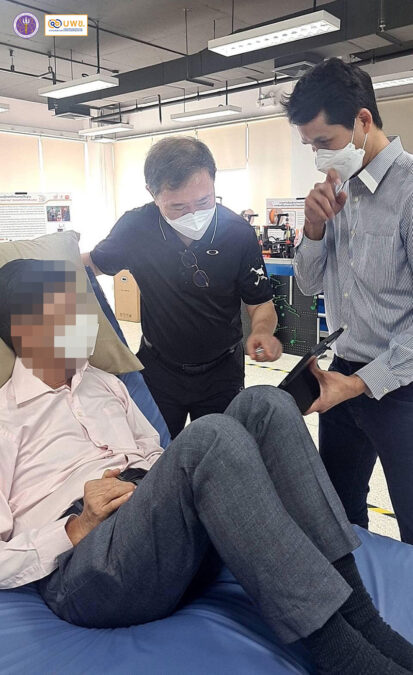
NPI can detect sleep patterns and measure pressure in real time, controlled through an application, enabling patients to rest fully without needing to turn every 2 hours. This increases convenience and reduces the burden on caregivers, who may be healthcare personnel in hospitals or family members of bedridden patients recuperating at home.
“Research and trials of NPI have shown that the system can adjust the pressure to suit the patient’s sleeping position, whether lying on the back, face down, sideways, or curled up, instead of turning the patient every 2 hours. The system will adjust the pressure based on the patient’s movements in real-time, unlike massage chairs where the pressure is the same for everyone. NPI uses personalized sensors and calculations to maintain balance and ensure patient comfort. If the patient’s condition worsens, the doctor can manually adjust the settings. NPI’s IoT system allows medical personnel to care for patients remotely through an iPad, reducing the need for cameras and sensors, making the patient more comfortable. This enables relatives to continue their daily activities normally, and medical personnel to focus on other aspects, addressing the shortage of healthcare professionals.”
Dr. Prakarnkiat shared these results.
Additionally, the NPI system helps maintain specific point pressure balance and can be manually adjusted for severe cases by doctors, even if they are not at the hospital, through a tablet.
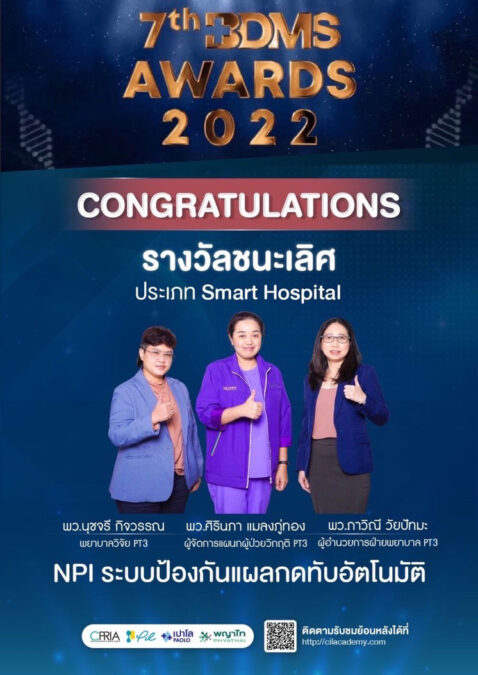
Equipping for business, broadening global perspectives, and enhancing holistic experiences through the LIF (Leaders in Innovation Fellowships) program supported by PMUC.
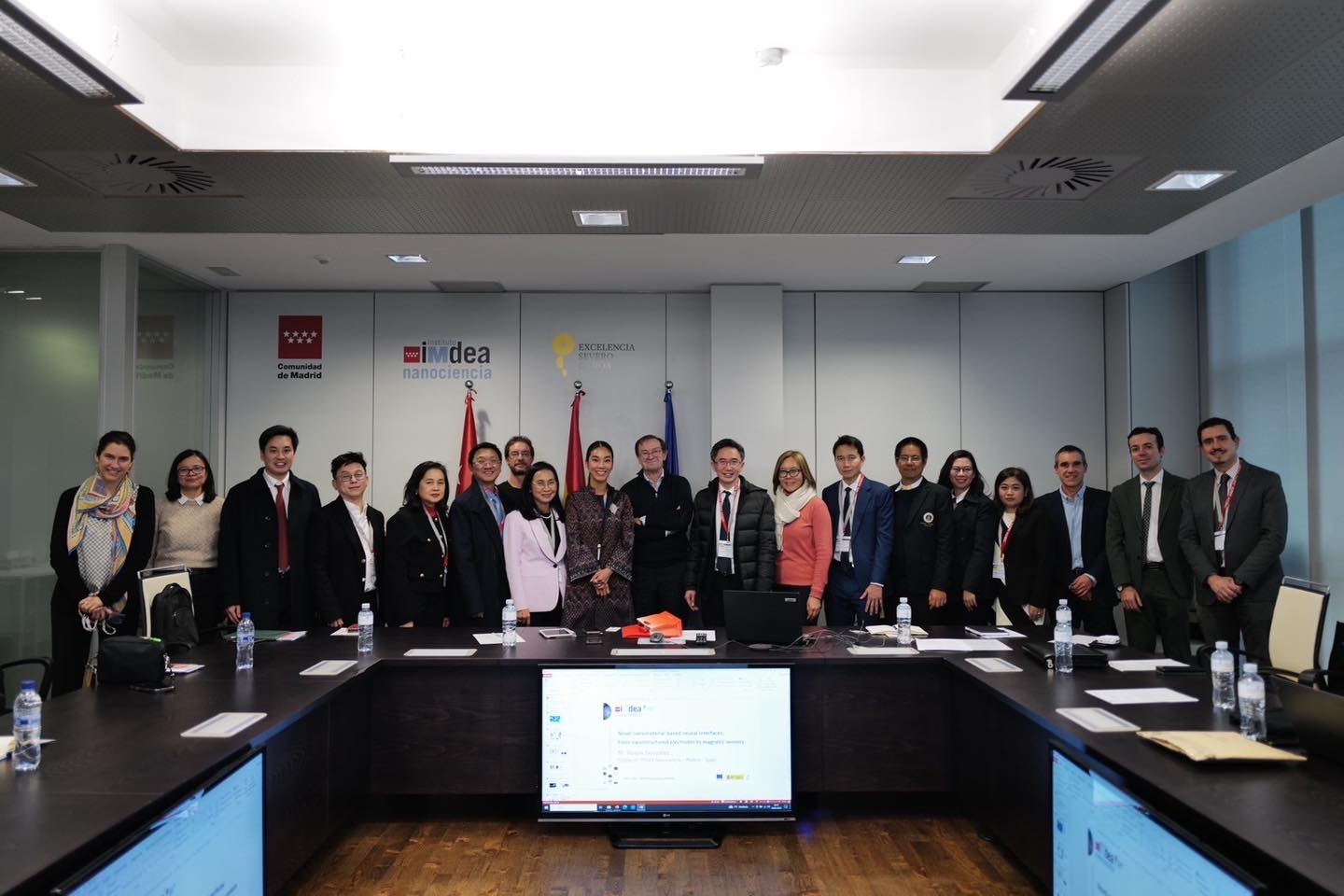
After COVID-19, NPI was selected to participate in the research management program aimed at developing research outputs and researchers (Leaders in Innovation Fellowships or LIF), which PMUC and its partners support. This program offers guidance, incubation, and refinement to make NPI more ready for market expansion.
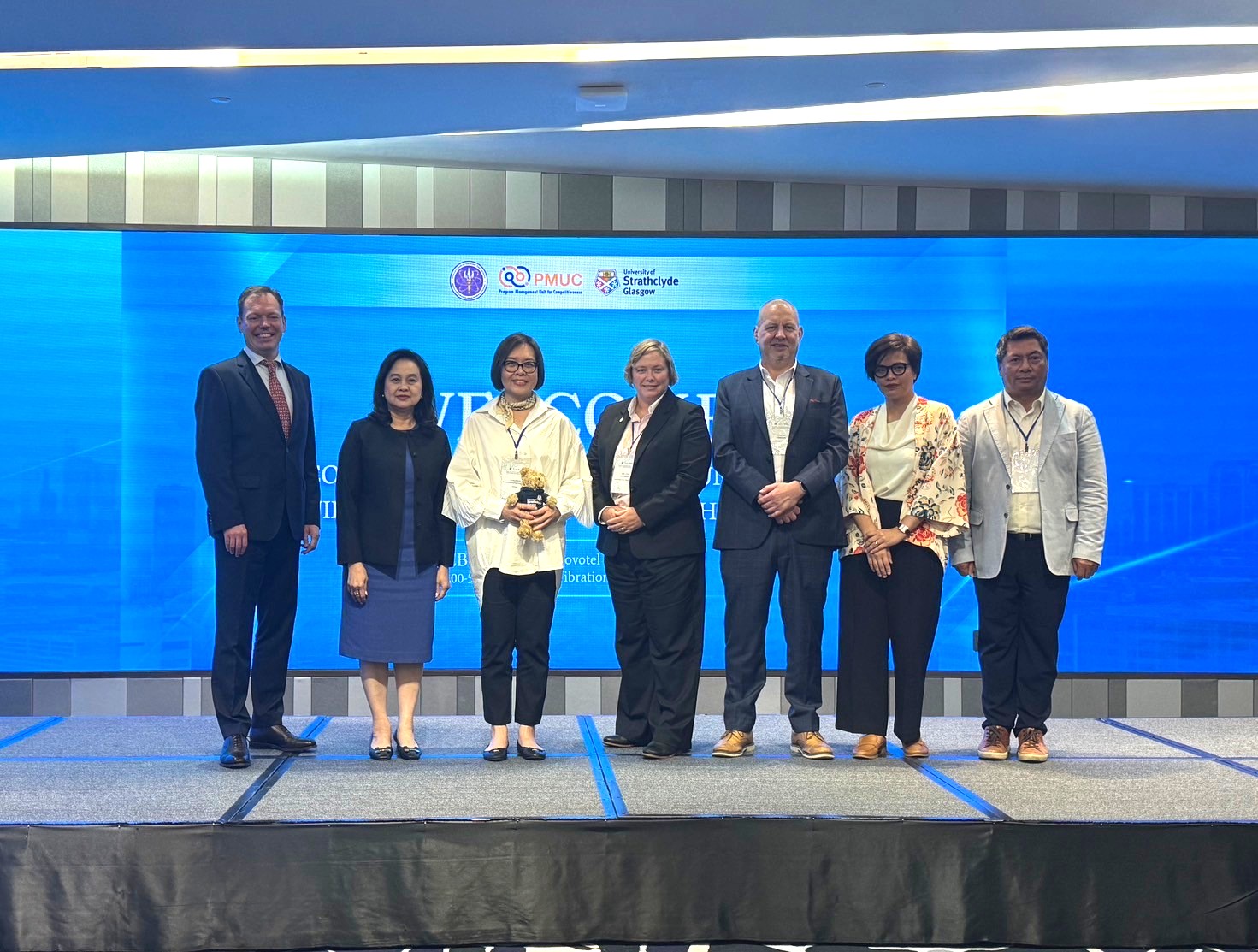
“We gained both knowledge and enjoyment from the LIF program. NPI was one of nine teams representing Thailand with the opportunity to exchange experiences and share knowledge on an international stage in the UK. Many foreign investors expressed interest, but there are limitations since it falls under the category of medical devices, which means it cannot be sold freely due to regulatory laws. After returning from the UK, NPI raised funds from both Thai and foreign investors and incorporated advice from various experts to further develop the product. A crucial task is to meet engineering safety standards, register with the FDA, and list it as a medical device.”
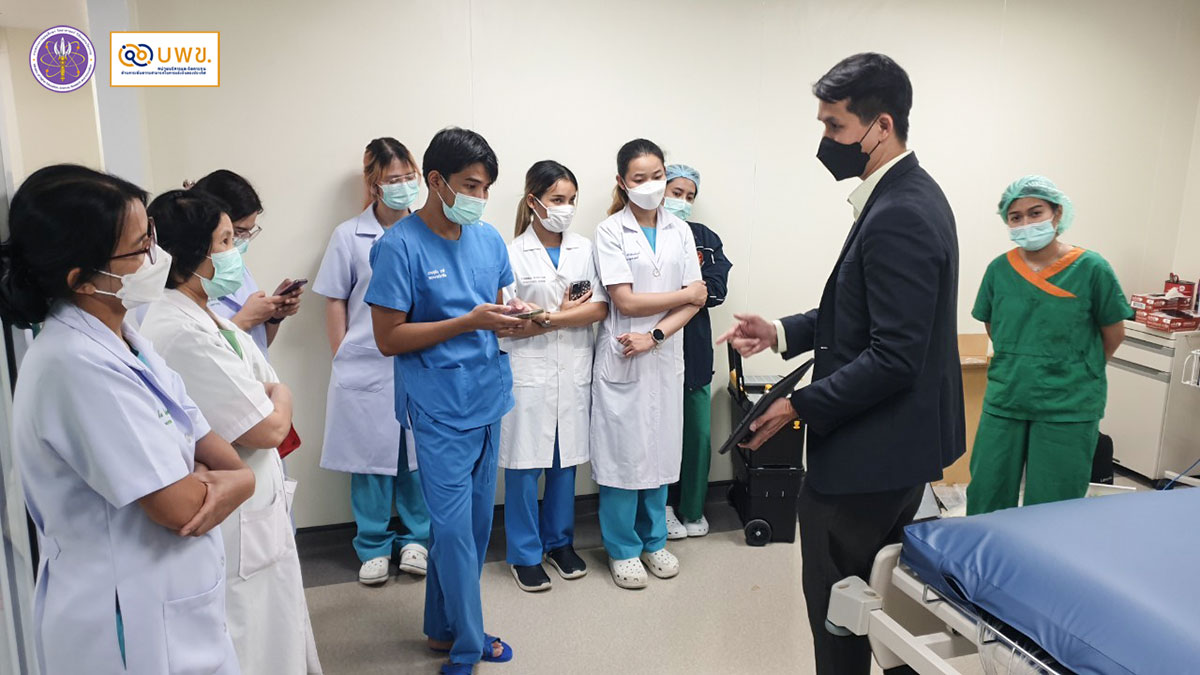
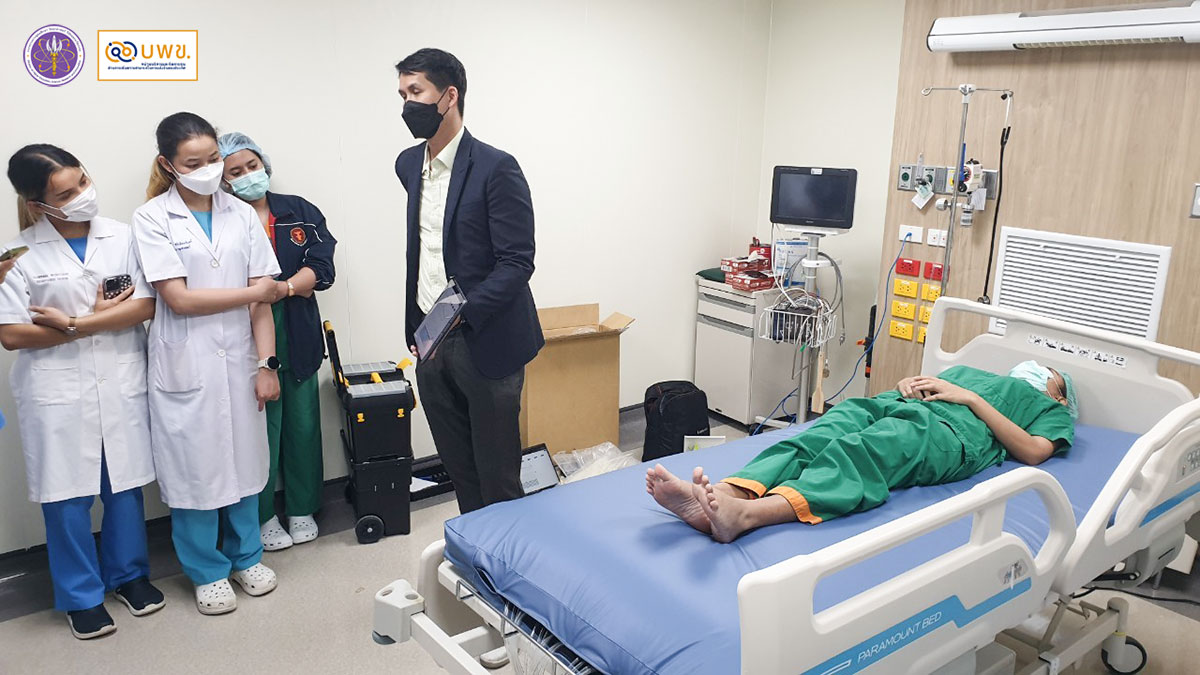
Dr. Prakarnkiat mentioned that the LIF program provided a genuine international perspective. “Businesses should not focus only on the domestic market but must think on a global scale as well. It’s not just about collaborations with Chulalongkorn and King Mongkut’s, but it expands opportunities. During our time in the UK, we exchanged diverse perspectives with experts from institutions such as Oxford, Cambridge, Imperial College, and the University of London, which helped NPI’s direction become clearer in various dimensions. Before going to the UK, LIF also provided training in Thailand with specialists, and when we reached the international stage, we had discussions with world-class experts who professionally and critically analyzed our business plans, operations, funding, and feasibility—intensely and straightforwardly. This was the first time we received comprehensive feedback.”
“If NPI had not joined the LIF program, it would have been very challenging to open the door to this great opportunity. They supported us sincerely and helped us think about how to continue and expand further, providing an excellent network in technology and business, both domestically and internationally. The visit to the UK was a truly exciting starting point.”
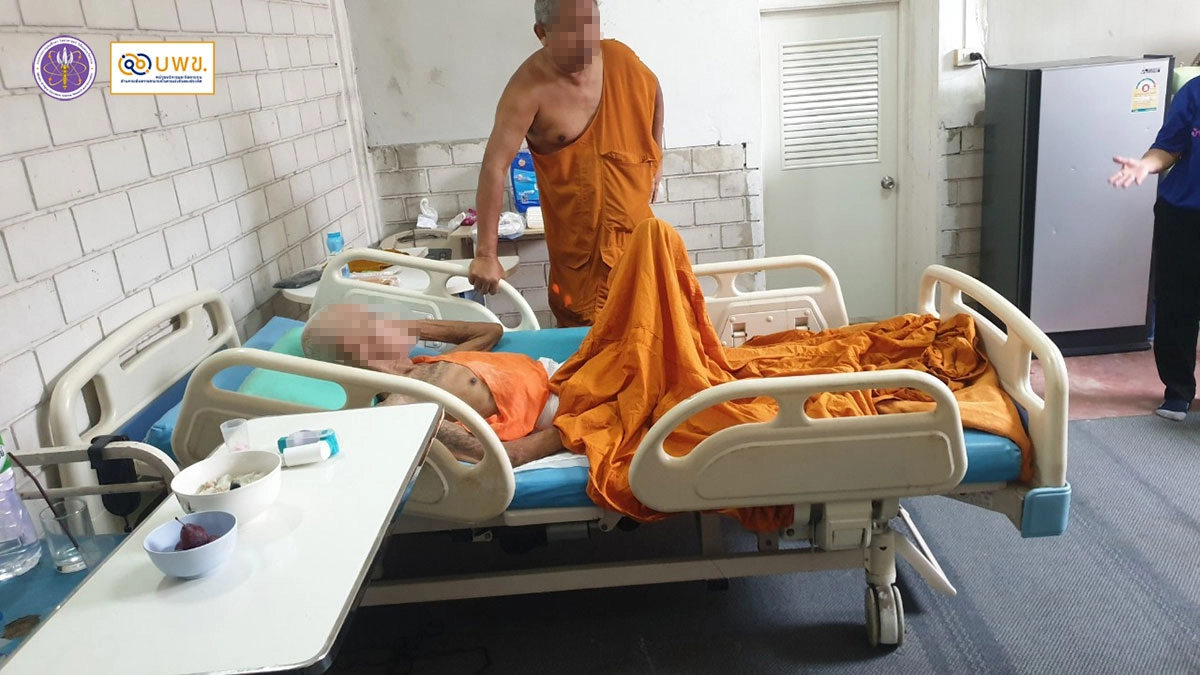
With a solid foundation and support from various partners, NPI is ready to move forward into the future.
“From now on, the business will grow rapidly as we have entered the commercial phase. Currently, NPI is being used in leading hospitals, with the public sector starting from medical schools to build user confidence, such as Siriraj Hospital, Ramathibodi Hospital, Phramongkutklao Hospital, and Thammasat University Hospital. In the provinces, it is being piloted at Ayutthaya Hospital and Chulabhorn Hospital in Nakhon Si Thammarat. In the private sector, it is used in the Phyathai-Paolo hospital network, covering more than 4,000 users. Interestingly, after being discharged, some patients purchase the system to install at home, while others buy it for community donation and care centers. Some even set up charity events to donate it to Priest Hospital, allowing ailing monks to benefit from its use—something we didn’t initially expect”, Dr. Prakarnkiat remarked.
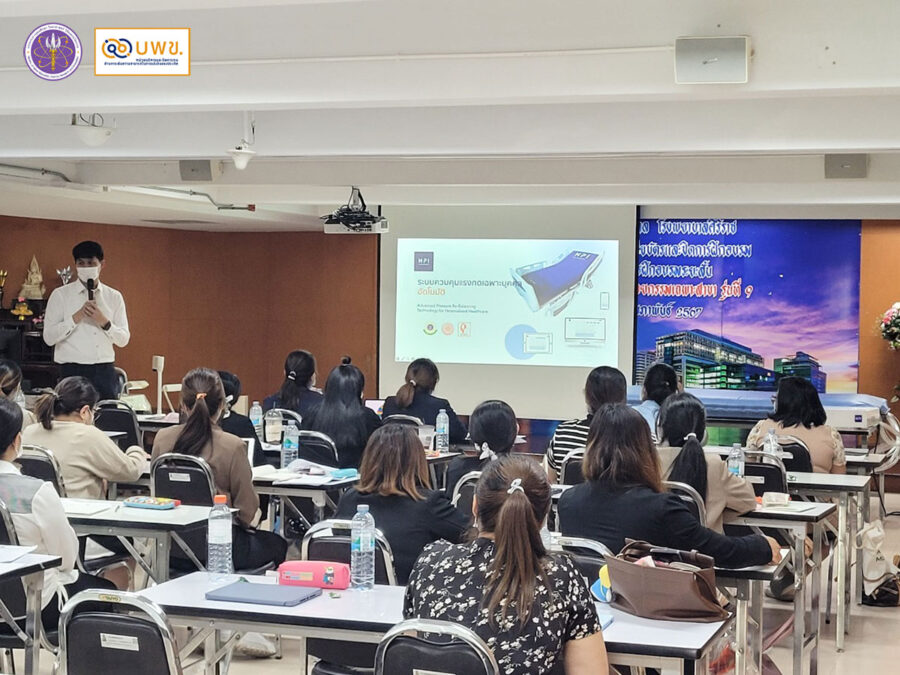
Dr. Prakarnkiat sees the opportunities for further expansion and dissemination of NPI on a broader scale, stating: “There are many doors open to us. One of the strengths of KMUTT is that we don’t have a medical school, so we are able to collaborate freely and without restrictions, allowing us to work happily. For any organization or researcher with questions, we invite them to conduct research with us and find answers together. We share this knowledge in engineering forums and medical conferences, set up booths, and do demos together, helping people understand the benefits and providing a clearer picture of this innovation.”
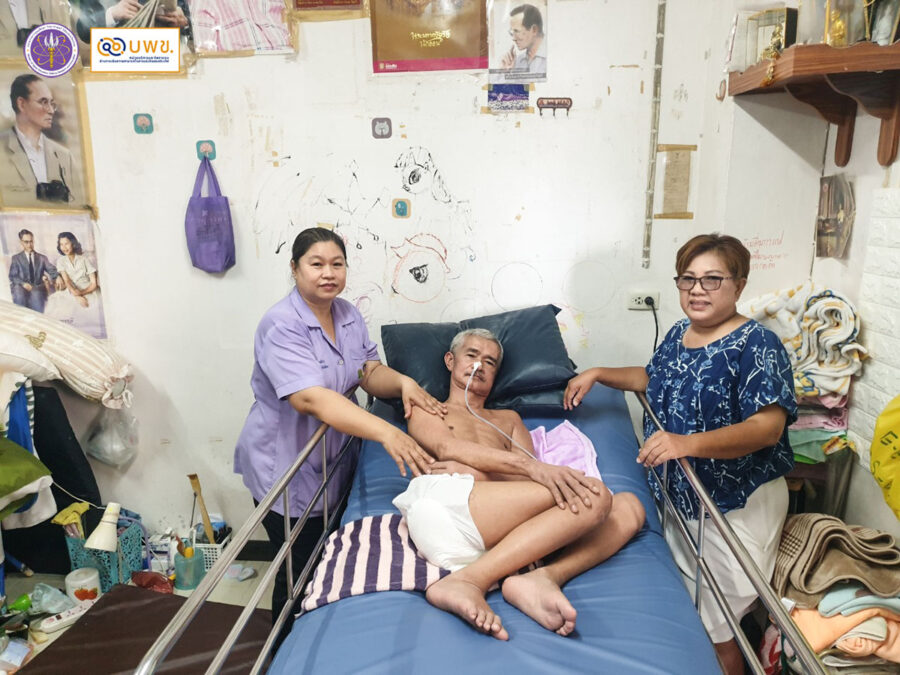
Currently, NPI has a notification system in place to alert medical personnel, but in the future, a call center will be set up to further support the process through phone notifications. The feedback from both patients and healthcare personnel has been very positive, as it effectively reduces the burden on doctors and nurses, giving them more time to focus on other tasks. At the same time, disputes or arguments with patients have also decreased.
Additionally, Dr. Prakarnkiat has plans to continue developing new technologies, such as a bed that assists in turning patients to lessen the burden on caregivers, and sensors installed on chairs to monitor users’ health to prevent office syndrome. He is also working on developing sensors for wheelchairs to prevent pressure sores in disabled individuals who need to sit for extended periods, among other innovations.
“NPI aims to become a Thai startup that serves as a central hub for healthcare and wellbeing using technology to solve pressure sore issues, both domestically and internationally. Our focus is on providing comfort and quality sleep, as well as enhancing the ability to assist the elderly and infants, to improve quality of life and satisfaction in sleeping, while also addressing other related pain points in health and wellbeing.”
At present, NPI has received support and official partnerships from the Government Pharmaceutical Organization, the National Science and Technology Development Agency, and the Royal Academy of Engineering in the United Kingdom.
In conclusion, the development of this technology and innovation not only enhances the quality of life for the elderly and bedridden patients but also reduces the burden on healthcare personnel and the country’s healthcare expenses in the long run. It represents a significant step in preparing for a high-quality aging society in 2025.