When talking about “ugly vegetables,” blemished or not fresh, many people tend to think they should be discarded, unaware that these vegetables still retain their full nutritional value. It is from this small awareness that a research team from Khon Kaen University (KKU) has collaborated with organic vegetable and fruit farmers in the Ugly Veggie Platform network to add value to misshapen vegetables, which were once thrown away, by processing them into organic products and selling them through an online platform. This effort has helped reduce vegetable waste by 30-50%, though there is still 5% vegetable waste left.
Today, the Khon Kaen University research team has furthered the Ugly Veggie Plus project by using blockchain technology to trace the origin of “100% biodegradable plastic bags made from vegetable scraps” and “organic soil made from vegetables.” These two innovations can reduce discarded vegetable waste by 100%, addressing the circular economy and BCG Model while sustainably helping local farmers.
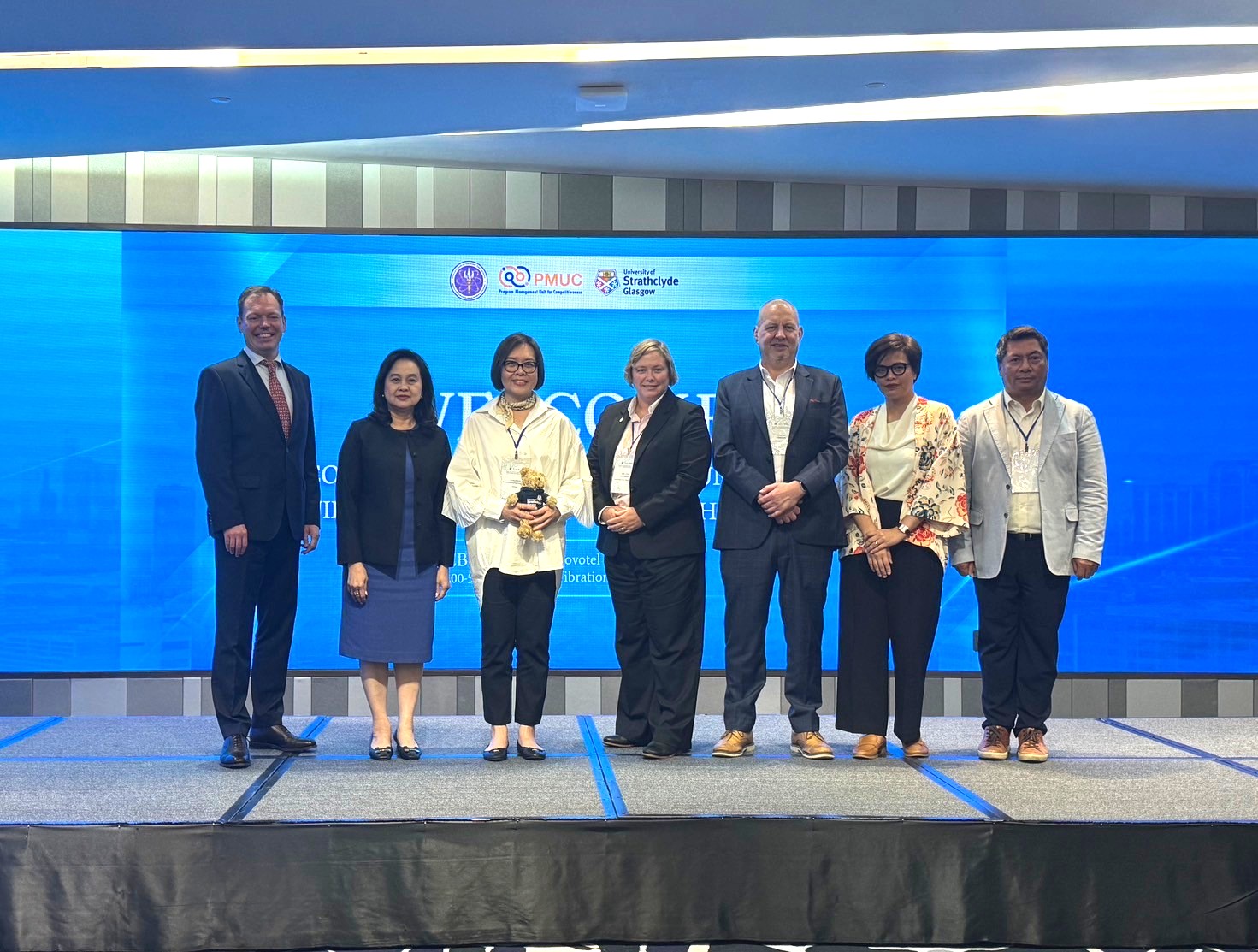
Recently, Khon Kaen University held a press conference to launch the Ugly Veggie Plus research project and expand the business model based on traceability technology and a low-carbon circular economy for managing the supply chain of organic food production and export sustainably. During the event, the project’s outcomes, which were funded by the Circular Economy Program under the Program Management Unit for Competitiveness (PMUC) of the Ministry of Higher Education, Science, Research, and Innovation (MHESI), were summarized.
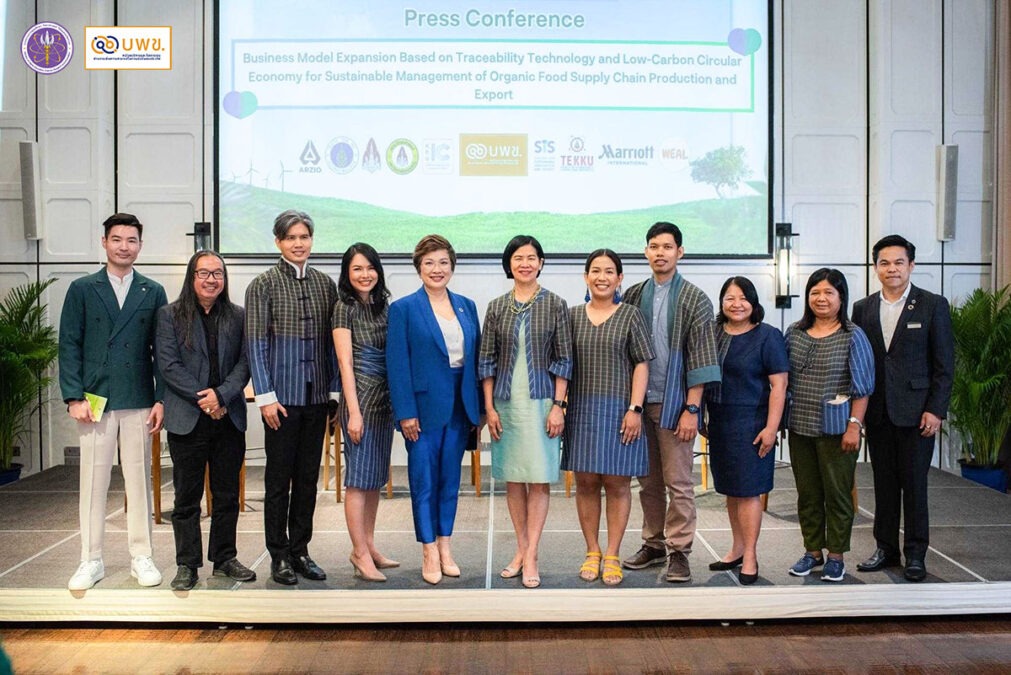
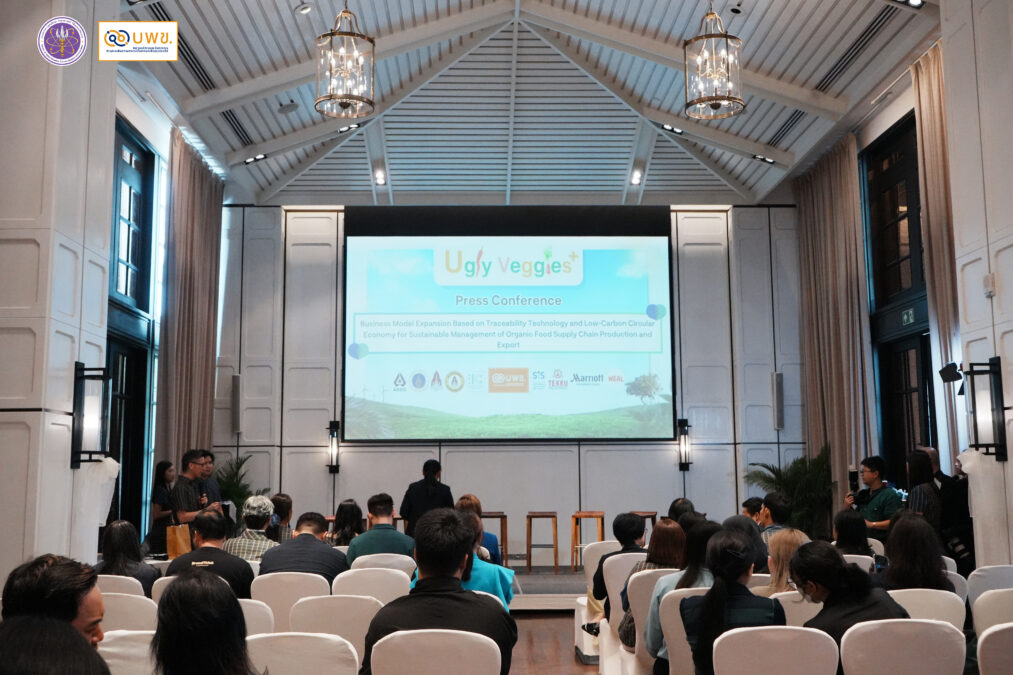
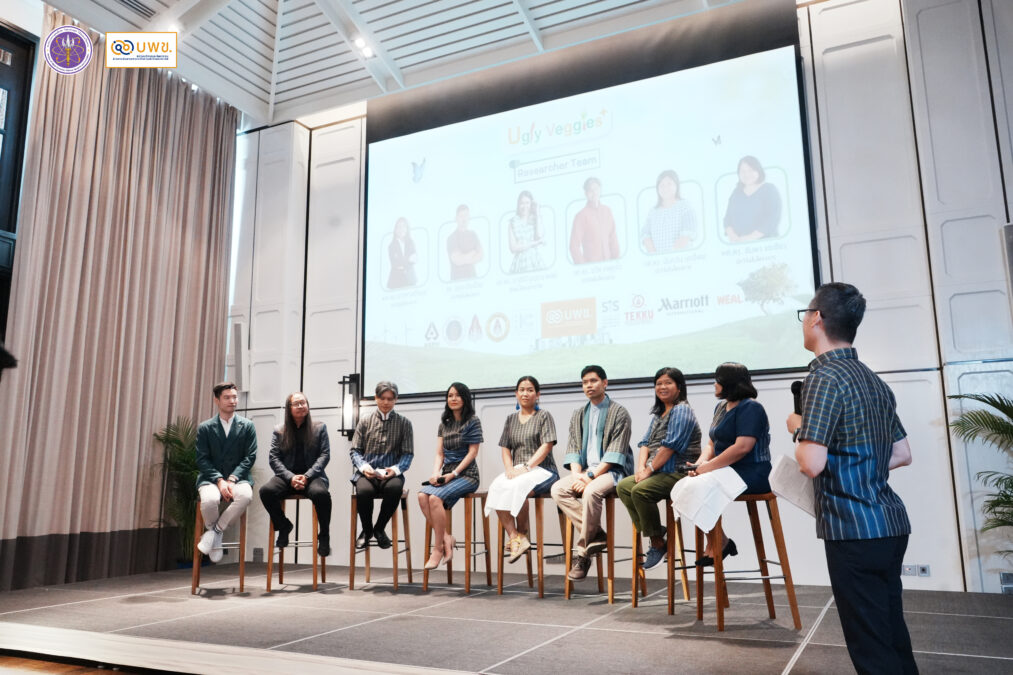
Understanding the origin of the Ugly Veggie Plus research project and how it effectively reduces waste from “ugly vegetables” through research and innovation that aligns precisely with the BCG Economy.

Associate Professor Paninee Narutharadol, Ph.D., Director of the Innovation and Sustainable Society Center at Khon Kaen University’s International College and head of the Ugly Veggie Plus research project, discussed the origin of this research project, stating:
“As for today’s press conference on the extension of the organic product business model by selling ugly vegetables through the Ugly Veggie platform, it originated from the first project funded by the National Research Council of Thailand (NRCT). Through the research, it was found that a significant amount of vegetable waste remained. The research team from KKU has extended this into the production of technology and innovative products from organic vegetable waste, which includes high-protein food innovations, ready-to-plant soil innovations, and bioplastic innovations that are ready to be commercialized.”
“However, consumers still remain unsure whether these vegetables are truly organic. Therefore, a traceability system is necessary so that consumers can know where these vegetables come from. This led to the integration of blockchain technology as an innovative traceability technology.”
“The Ugly Veggie Plus research project responds to the Circular Economy program of PMUC, particularly as a model for the circular economy by converting ugly vegetables into food or high-value products, as well as reducing greenhouse gas emissions and creating a low-carbon society. This research project also emphasizes measuring the amount of greenhouse gas emissions from producing innovative products made from organic vegetable waste. In the future, there are plans to sell carbon credits from the reduction of greenhouse gas emissions as a business model, which we expect to expand sustainably to enhance the country’s competitiveness. We are currently collaborating with private companies and the Marriott hotel chain.”
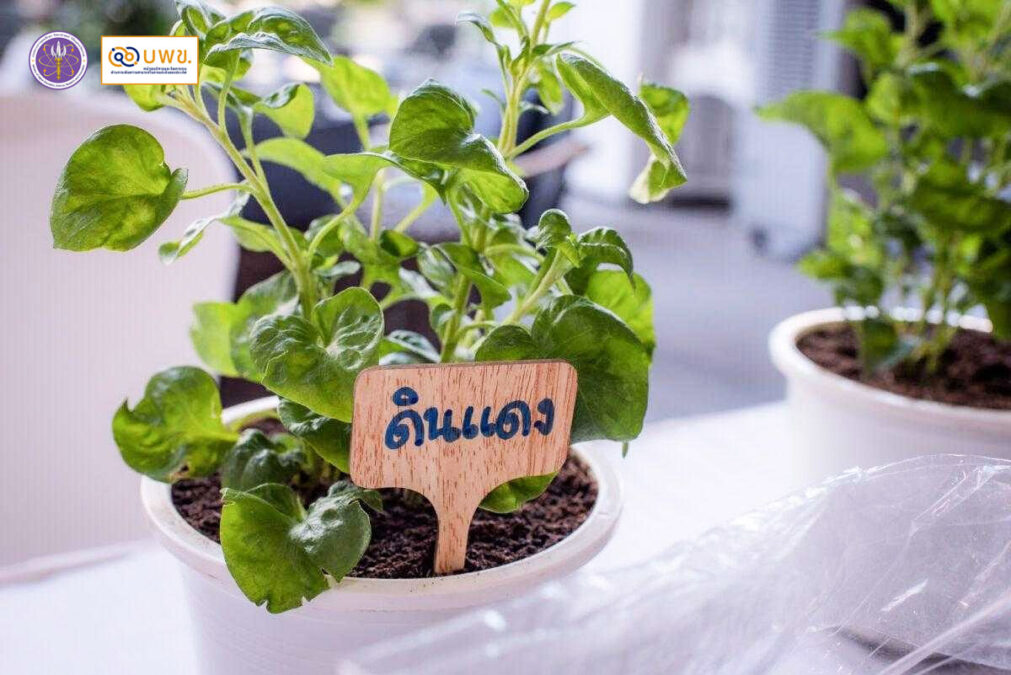
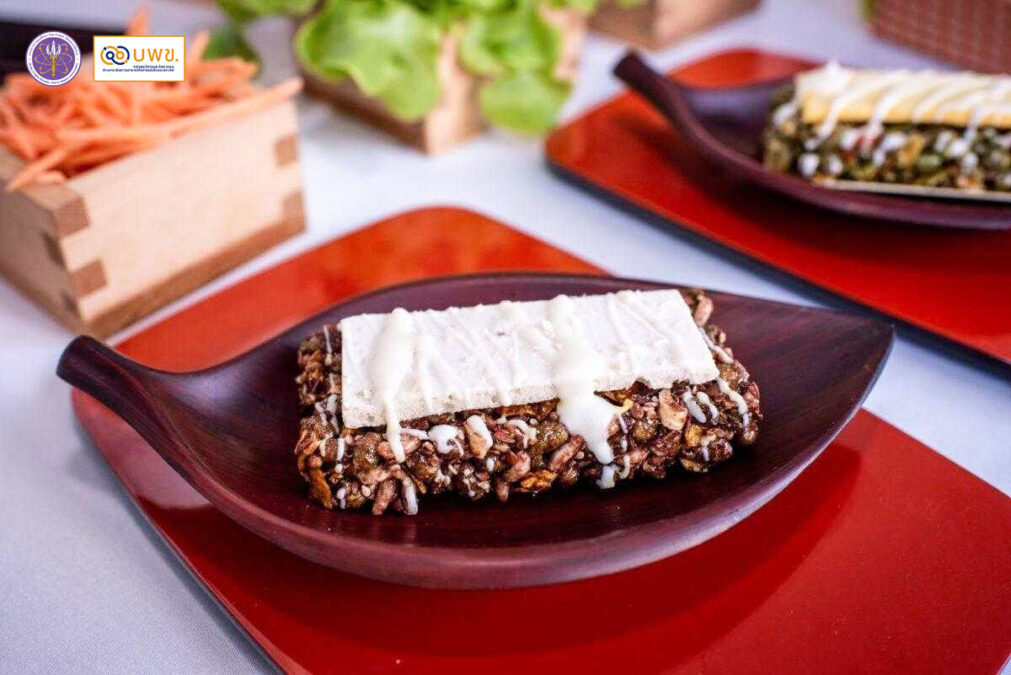
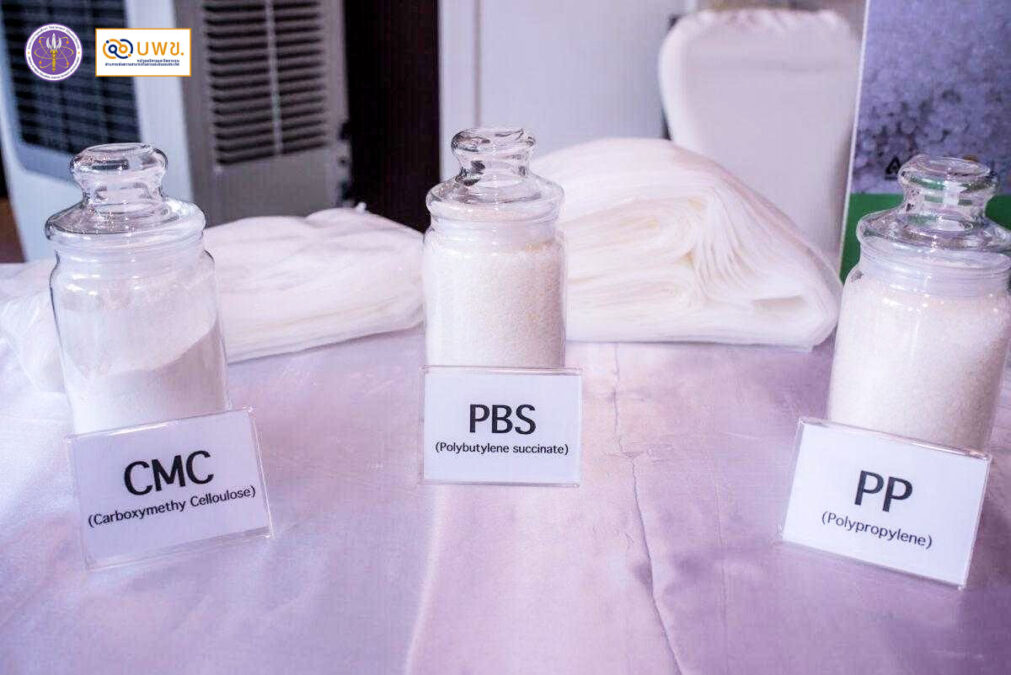
“As for the processing of innovative products from organic vegetable waste, we have already planned to use the Pilot Plant or prototype factory at KKU. Therefore, whether it is protein bars, bioplastic, or planting soil, we have the capacity to process them, paving the way for commercializing these products.”
“Moreover, we are also trying to raise awareness, not just for business expansion or to create a business model, but we are also working on marketing and conducting innovative campaigns. We first conduct research to understand how consumers feel about the product before we proceed with marketing or advertising, or building awareness in various aspects, which is done once our product is stable.”
“In addition, the Ugly Veggie Plus platform has already had over 20 organic farmers involved in buying and selling on the platform, and there have been more than 600 active trades on the platform so far. With this positive feedback, we hope that the Ugly Veggie Plus platform will serve as a model for a functional trading platform, allowing consumers to trust the system’s traceability process, ensuring that the vegetables being traded are chemical-free and truly organic, which will certainly contribute to sustainable growth in trading on the platform.”
“Additionally, this research project aims to provide accurate knowledge to consumers, raising awareness about consuming healthy food that is a green product and aligning with the circular economy and low-carbon trends. Therefore, one of our key aspirations is to change consumer behavior to understand and transition to a greener lifestyle.”
“Especially in the matter of using ‘ugly vegetables,’ which are organic, to process them for consumption. As researchers, we can guarantee that these vegetables still retain their full nutritional value. However, if these ugly vegetables are in a condition unsuitable for consumption, we can still use them to produce other products such as bioplastics or planting soil, which will help reduce waste and make the world a better place.”
“Sharing 3 business models of technology and innovative products from organic vegetable waste that are ready to be commercialized.”
“As previously mentioned, the business model under the Ugly Veggie Plus research project includes innovations such as high-protein food, nutrient-enriched soil for organic farming, 100% biodegradable bioplastics, and blockchain technology for traceability, all of which are ready for business expansion. Each innovation was developed by a research team of professors from Khon Kaen University.”
“Starting with Smart Veggie Snack, a healthy snack for those who are health-conscious and watch their weight. It is produced as a veggie snack bar. Assistant Professor Amporn Sae-iao, from the Department of Food Technology, Faculty of Technology, Khon Kaen University, said, ‘Smart Veggie Snack is a product made from downgraded, misshapen, or leftover organic vegetables, such as kale, lettuce, Chinese kale, carrots, tomatoes, and other raw materials from farmers in the network. These are prepared as Smart Ingredients, which are rich in nutrients like minerals and vitamins, and high in fiber. They are developed into a veggie snack bar by compression, baked, and mixed with other nutritionally valuable ingredients.”
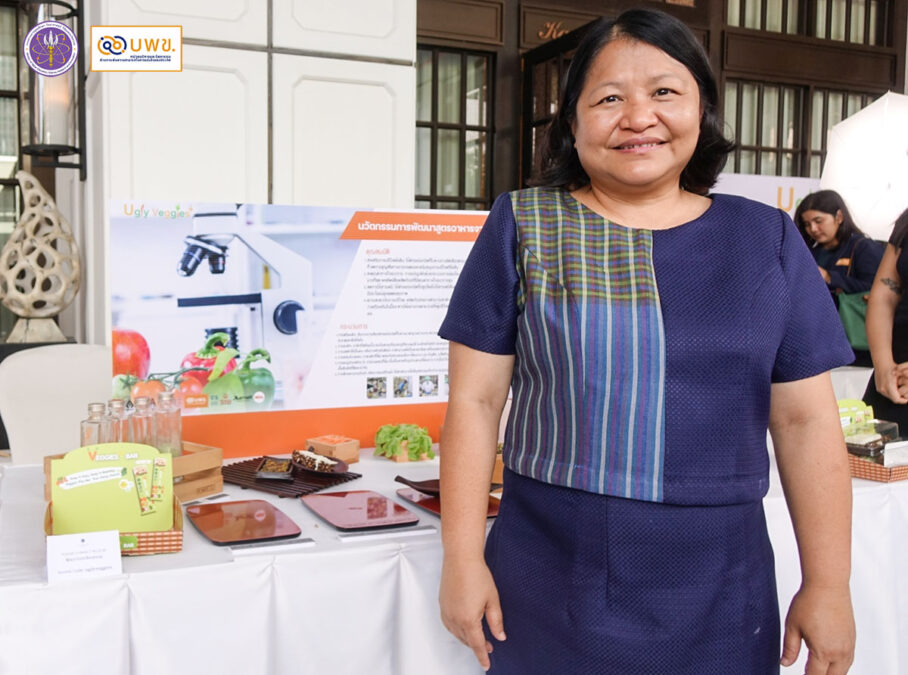
“In addition, there is a calculated formula based on consumers—those who are health-conscious, care about their physique, exercise regularly, make smart food choices, and need protein to strengthen their body. It is high in fiber, low in fat and calories.
The product is convenient to eat and carry, lightweight, and has a shelf life of at least six months. It can be eaten as a snack anytime, anywhere, and is suitable for people who don’t like to eat fruits and vegetables by changing the consumption format, texture, taste, and form to be more appealing. For those tired of the monotony of traditional foods, it comes in beautiful and modern packaging with clearly labeled nutritional values for consumers.
Next is the development of biodegradable plastic from unsightly vegetable scraps, resulting in biodegradable bioplastics within 1-2 years. Assistant Professor Yaowapa Trikamol, Ph.D., a faculty member from the Faculty of Science, Khon Kaen University, one of the researchers of the Ugly Veggie Plus project, provided further information: ‘This bioplastic is a mixture of PLA, PBS, and CMC, giving the plastic biodegradable properties when left in an environment with microorganisms and moisture. It will decompose within one to two years, which is significantly shorter compared to conventional plastics that take several decades.”
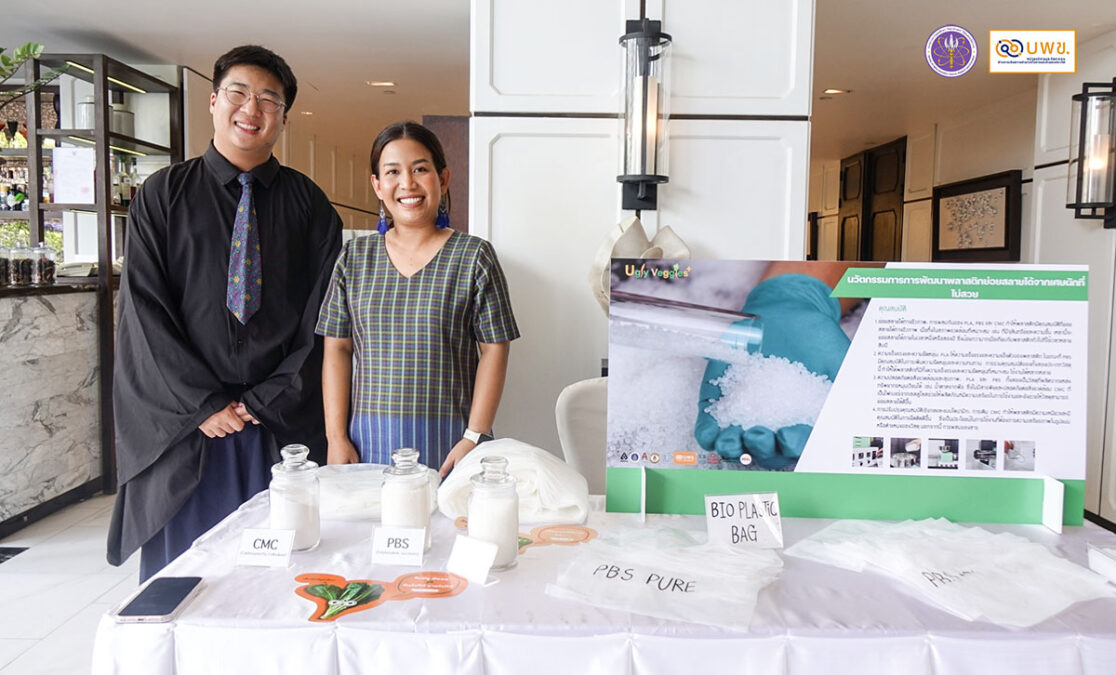
“This type of bioplastic is also strong and flexible because PLA provides the strength and stiffness of the plastic, while PBS increases flexibility and durability. Combining the properties of these two materials results in plastic that is both strong and flexible, making it suitable for various uses.”
“Additionally, this bioplastic is safe for the environment and health: PLA and PBS are both made from renewable resources, such as plant sugars, which are non-toxic and environmentally friendly. CMC, a cellulose fiber, enhances the product’s stability in use and improves biodegradability. By improving mechanical properties and dynamics: adding CMC makes the plastic tougher and more stable, which is beneficial for applications requiring stability in form. Its adhesion properties are also improved.”
“The third innovation is the development of planting soil from unsightly vegetable scraps. Associate Professor Nantawan Ritdech, Ph.D., a microbiology faculty member, and Professor Sukhum Ruangchai, Ph.D., a physics faculty member from the Faculty of Science, Khon Kaen University, explained this innovation further: ‘The innovation of planting soil from unsightly vegetable scraps involves drying and fermenting the scraps with soil and other agricultural waste materials to produce planting soil. During the fermentation process, organic matter is broken down by mesophilic and thermophilic microorganisms, which generate high temperatures and kill most pathogens in the composted material.’”
“After the decomposition process is complete, the temperature of the compost gradually decreases to around 30 degrees Celsius. These organic substances are transformed into nutrients that plants use for growth. In contrast, planting soil that has not undergone the fermentation process can cause heat accumulation during planting, which affects plant roots, causing them to rot and preventing plant growth.”
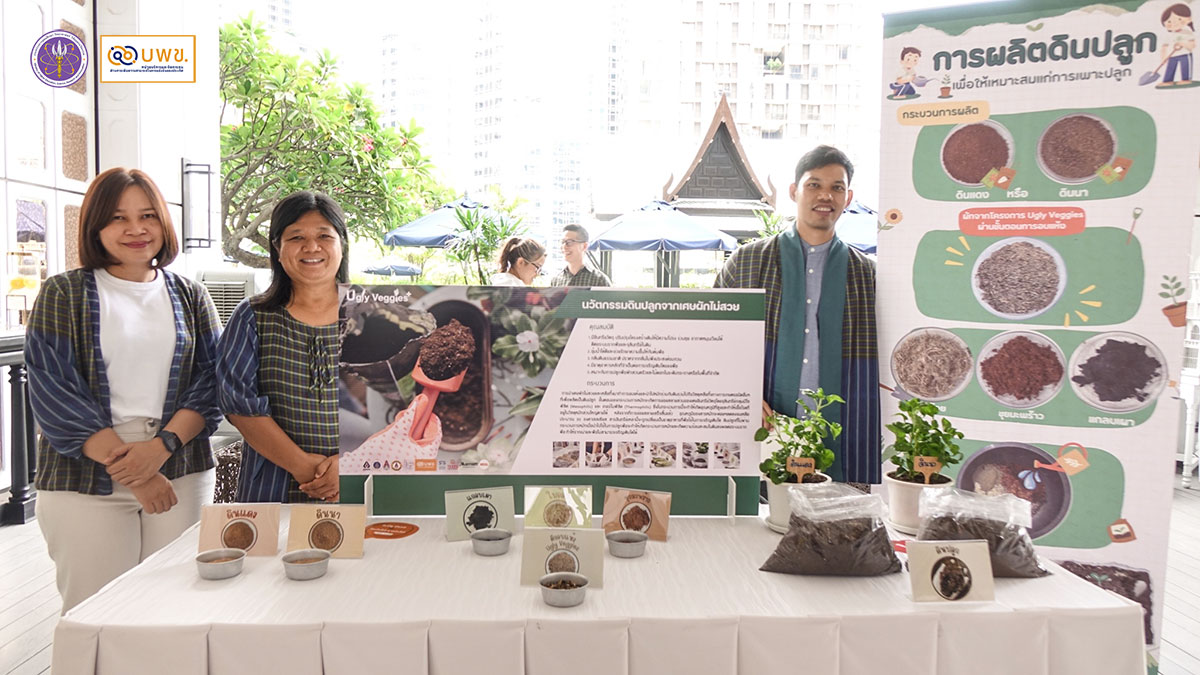
“Therefore, soil made from unattractive vegetable scraps has clear advantages in terms of containing organic matter, improving the soil structure to be porous and friable, allowing good air circulation for plant roots and soil microorganisms. It also retains water well and helps maintain moisture for plants. It has a natural soil scent without unpleasant odors and contains essential nutrients for plant growth.”
“With these advantages, this soil is suitable for growing kitchen garden vegetables and flowering plants in pots or small spaces. Currently, the Marriott hotel chain has been using this soil made from unattractive vegetable scraps to grow plants both indoors and outdoors. The hotel is satisfied with using this type of soil because, in addition to growing plants beautifully, it has no odor and can even be used as planting soil in conference rooms.”
“A review of the blockchain traceability technology innovation helps consumers be free of worries about the origin of unattractive vegetables.”
In addition to the three innovations from organic vegetable scraps, the Ugly Veggie Plus research project also extends to a business model based on traceability technology with blockchain technology. Khun Apichai Ruangsiripiyakoon, Managing Director of ARZIO Co., Ltd., who co-developed the traceability system with researchers from Khon Kaen University, explained further:
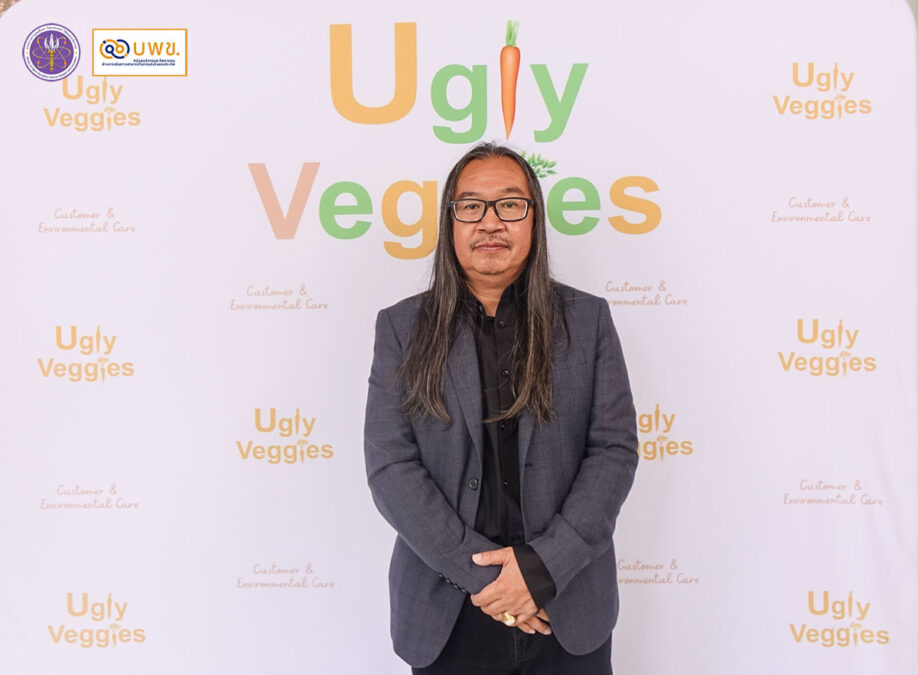
“In developing this traceability system, we adapted the traceability principles for organic vegetable cultivation, which are already clearly specified. We took the latitude and longitude of the cultivation area and created a token (NFT), embedding it in the blockchain. This coin can be transferred and viewed, and when opened, the system tracks all the information we have stored, such as which type of vegetable was planted, on which date it was planted, and when it was harvested.”
“This type of information cannot be altered—it can only be recorded once. This is the advantage of using a traceability system for organic vegetables because it ensures the data is trustworthy. The operators or system owners themselves cannot alter this information. This success shows how we can apply blockchain technology, originally used for digital financial systems like Bitcoin, which requires accuracy, precision, and reliability, to the traceability system for crops. In the past, we used QR codes to create agricultural crop traceability systems, but they could be edited at any time, which reduced their credibility.”
“Additionally, a benefit of this system is its convenience. If there’s a transaction on the application, the seller can send a coin containing traceability information of the planting source to the customer immediately, ensuring the trustworthiness of the organic vegetables. Of course, when a business gains credibility, it leads to increased sales, especially in this era where new-generation consumers prioritize checking carbon emissions in production processes. This system can report all details on how much carbon is produced during production and how much the consumer contributes to reducing carbon emissions by choosing this product.”
As an entrepreneur who has had the opportunity to collaborate with academic institutions and participate in research projects funded by the Program Management Unit for Competitiveness (PMUC), Khun Apichai offered an interesting perspective:
“Previously, I have always worked with Khon Kaen University as an alumnus and as an entrepreneur collaborating with the Northeastern Science Park. This has allowed me to see many interesting research works in the academic sector that haven’t yet been commercially developed. When I got to know Dr. Paninee, who was working on the Ugly Veggie Plus research project, we had a discussion, and I found this project very interesting. I suggested to her that if she wanted to elevate the traceability system of unattractive organic vegetable scraps, blockchain technology could be used. If successful, this would certainly help make the products from these unattractive vegetables credible in the eyes of consumers and investors.”
PMUC and its role in supporting valuable research projects that align with the circular economy and low-carbon economy, leading to sustainable commercialization.
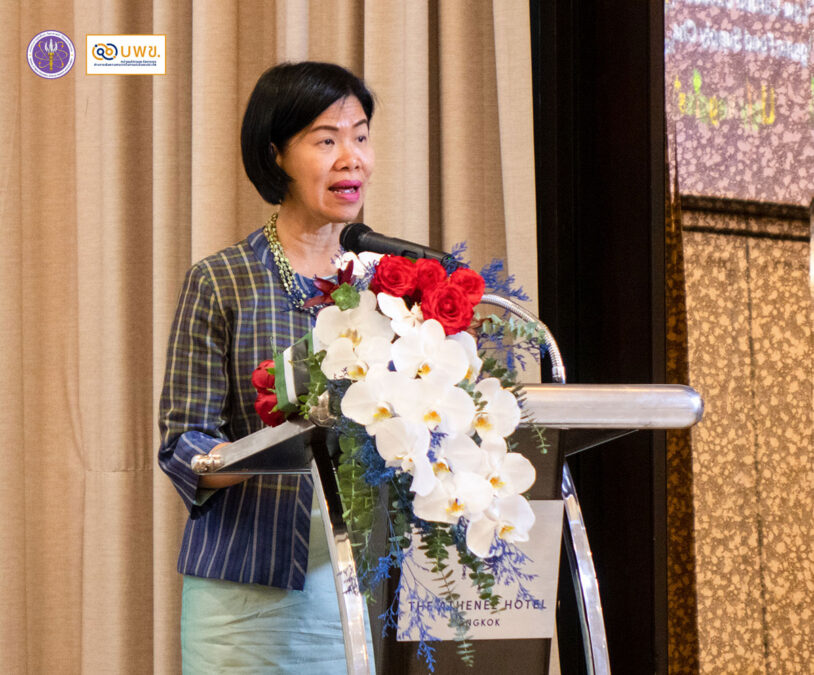
On this occasion, Dr. Pongwipha Losomboon, Chairman of the Circular Economy Program Subcommittee of PMUC, spoke as the chairperson of the press conference for the Ugly Veggie Plus project, stating:
“The Ugly Veggie Plus research project, for which Associate Professor Dr. Paninee submitted a proposal for funding from the Circular Economy Program of PMUC, the subcommittee viewed this project as interesting and aligned with the mission of PMUC. The agency receives research funding from the National Science, Research, and Innovation Fund, and uses this to support valuable research projects that help enhance Thailand’s competitiveness. At the same time, the project also addresses environmental protection and aligns with the concepts of the circular economy and the low-carbon economy.”
“Moreover, for the Ugly Veggie Plus project, the Circular Economy Program of PMUC recognized another key strength of this research, which is its collaboration with two private companies, and its real-world application in Marriott hotels. The project will be expanded to more than 50 Marriott hotels across the country.”
“This research project will also lead to the development of a useful application that acts as a marketplace for consumers and farmers, stimulating the circular economy at all levels. The primary role of PMUC is to support researchers and valuable research projects that will drive Thailand’s economy towards stability and help the country escape the middle-income trap.”
“The Circular Economy Program of PMUC is open to receiving research that has passed laboratory testing and is at TRL4 (Technology Readiness Level 4). Additionally, it encourages co-investment with the private sector, allowing for commercialization. Researchers who meet these criteria can submit their project proposals to the program.”