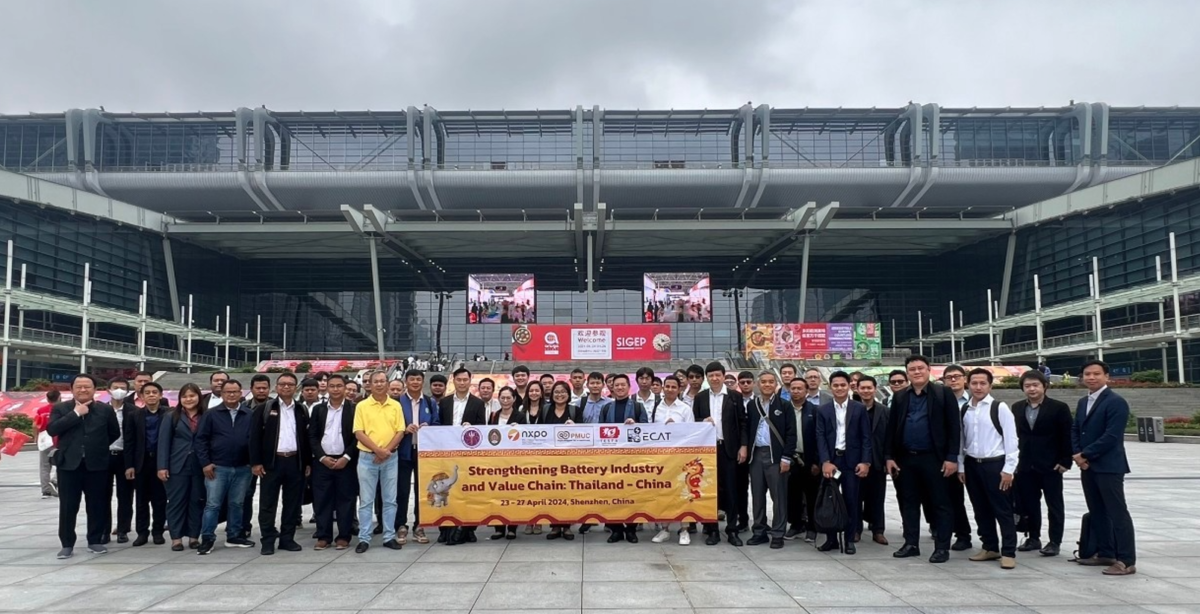
The Program Management Unit for Competitiveness (PMUC), the Office of the Higher Education, Science, Research, and Innovation Policy Council (NXPO), and Suan Sunandha Rajabhat University (SSR), under the Ministry of Higher Education, Science, Research, and Innovation (MHESI), in collaboration with the Thai Energy Storage Technology Association (TESTA) and the Electric Conversion Vehicle Association of Thailand (ECAT), are hosting an academic study tour in the battery industry under the project titled “Building the Battery Industry Value Chain Thailand – China.” The event will take place from April 23-27, 2024, in Shenzhen, People’s Republic of China. The primary objective is to conduct an academic study tour at the 16th Shenzhen International Battery Industry Exhibition (CNIBF), hold business matching activities, organize workshops, and conduct factory visits to battery cell and battery pack manufacturing plants. The project includes participants from 36 agencies, comprising 29 private sector agencies, 6 government agencies, and 1 educational sector agency, totaling 55 participants.

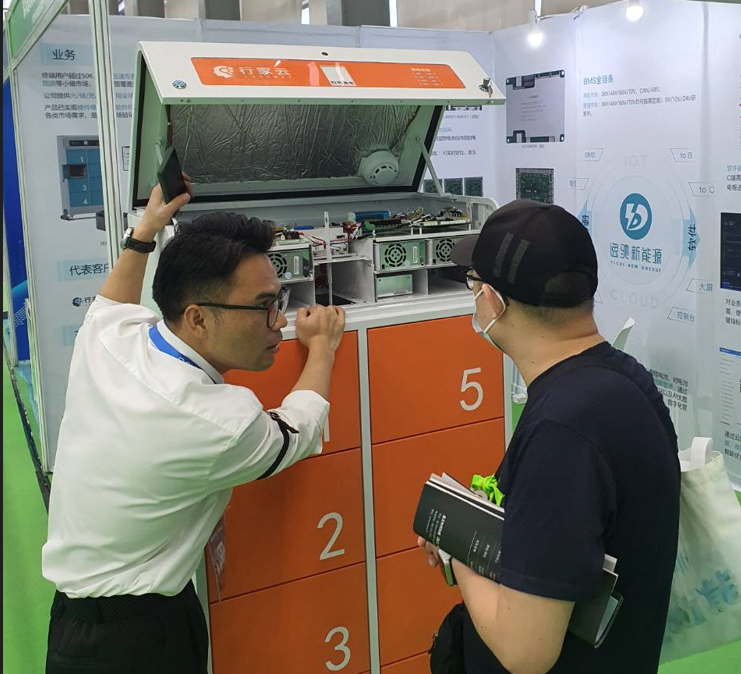
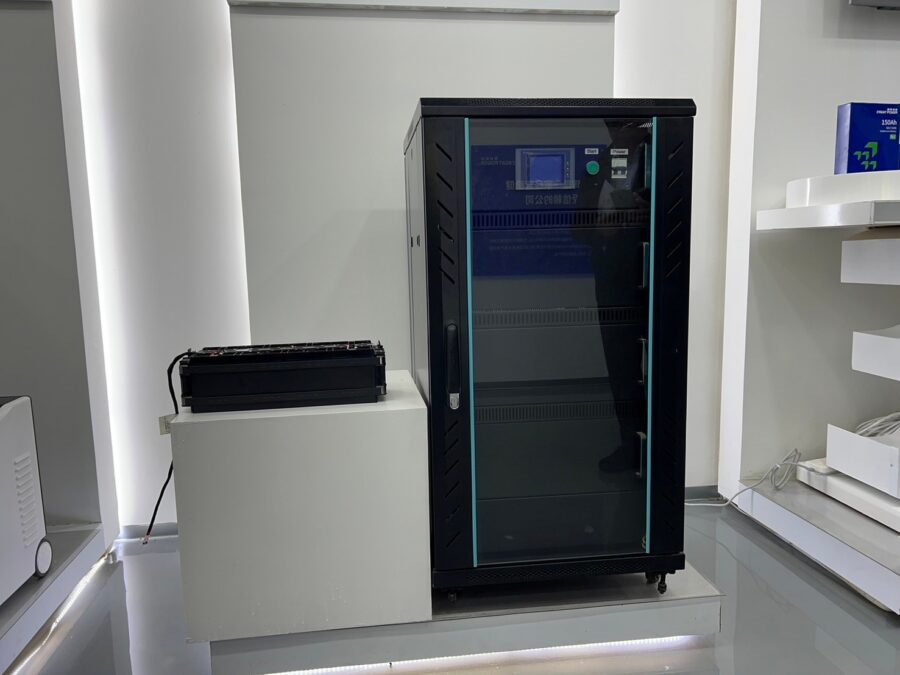
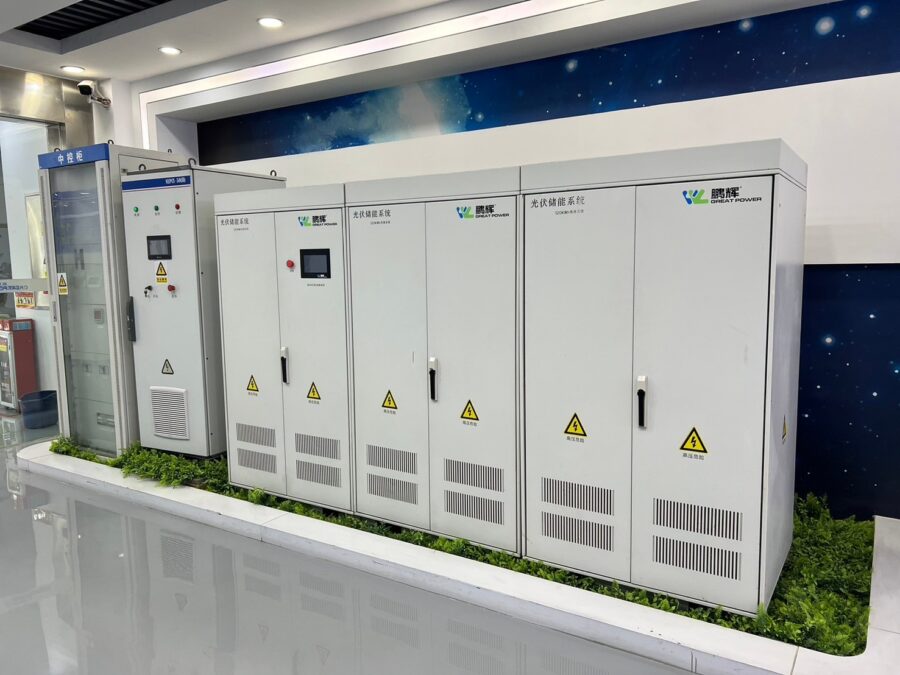
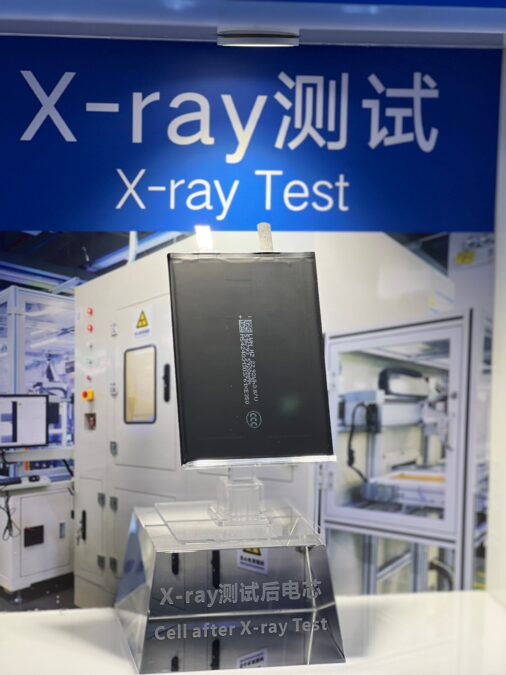
On April 24, 2024, Ms. Siriporn Phitayasophon, Ph.D., Deputy Director of NXPO, along with the delegation, attended the academic study tour at the 16th Shenzhen International Battery Industry Exhibition. This exhibition showcases products and technologies essential to the battery industry supply chain and energy storage systems (ESS), including battery cells, portable charging stations, stacking ESS, and various DC and AC power control devices.

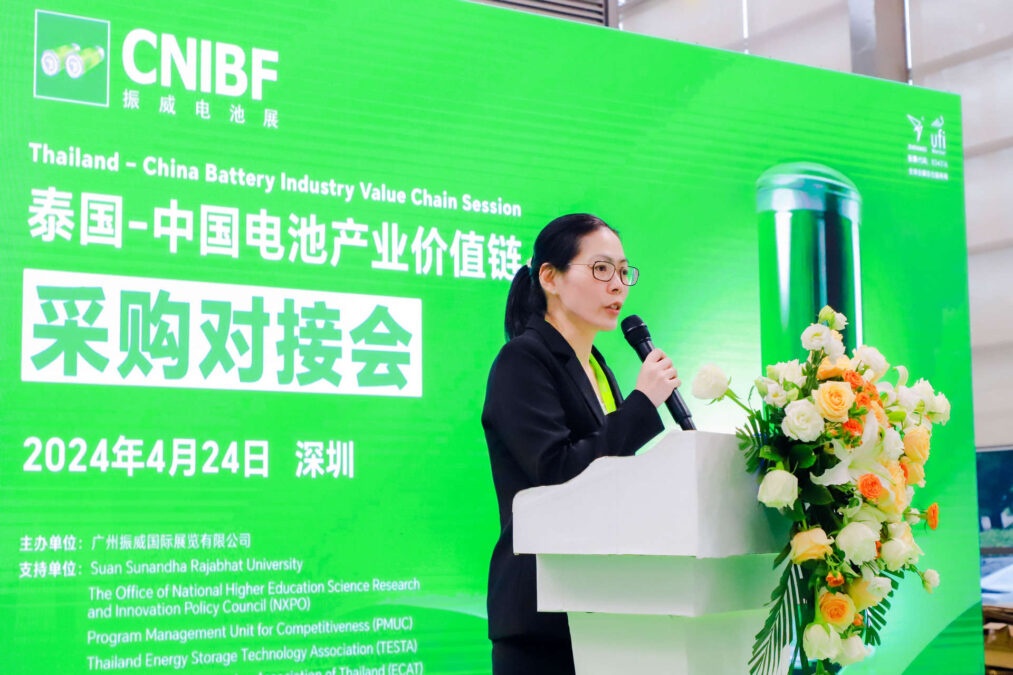
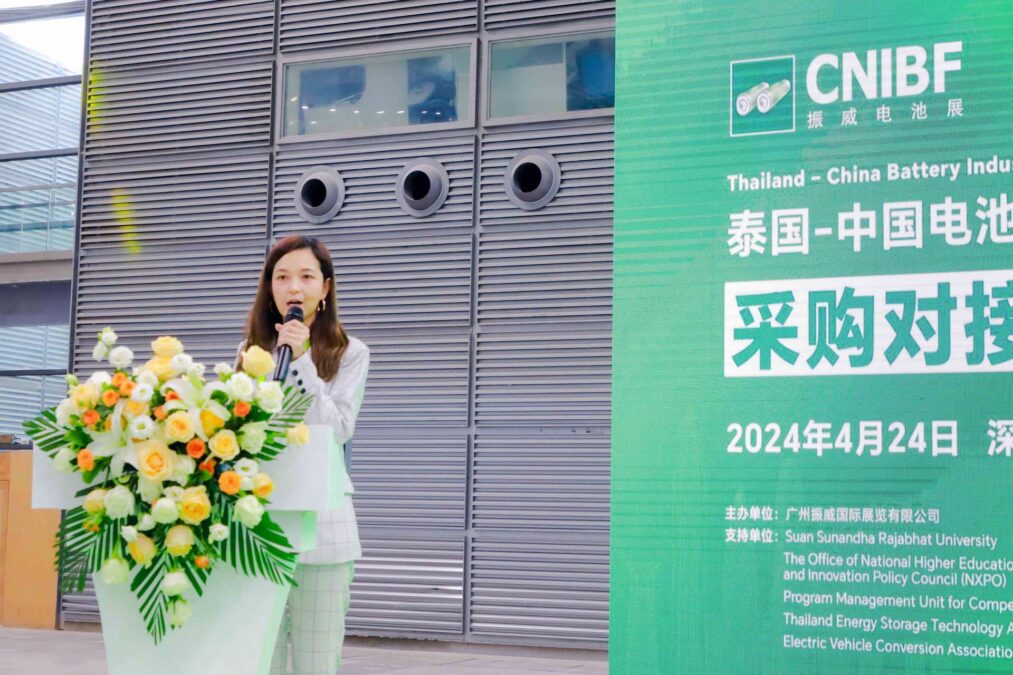
During the event, a memorandum of understanding (MOU) signing ceremony was held between NXPO and CNIBF in Hall 8 of the Shenzhen Battery Industry Exhibition. Dr. Siriporn Phitayasophon, Deputy Director of NXPO, delivered the opening remarks and co-signed the MOU. Mr. Li Ming Yang, General Manager of the Guangzhou branch and representative of Guangzhou Zhenwei International Exhibition Co., Ltd. (CNIBF), also delivered the opening remarks and co-signed the MOU. The main objective of this MOU is to facilitate exchanges and support key stakeholders in visiting factories or exhibitions held in various locations, support business matching, organize seminars, workshops, and disseminate information for mutual benefit. It also aims to facilitate high-level officials from different government departments in visiting world-class exhibitions. Dr. Siriporn expressed confidence that the cooperation between NXPO and CNIBF will create a strong network in science, technology, and innovation, and promote knowledge exchange. NXPO will continue to provide support in its areas of expertise and beyond, while CNIBF committed to supporting exchanges and business activities related to the new energy industry, hoping this cooperation will develop into a long-term partnership.

The importance and objectives of the project were presented by Assistant Professor Phanthip Kahyee, Ph.D., Director of the Science Center at Suan Sunandha Rajabhat University (SSR). Information on research and development funding under the SRI system was presented by Associate Professor Watcharapol Chayaprasert, Ph.D., Director of the National Logistics and Rail System Development Program at PMUC. Information on the battery value chain was presented by Professor Nonglak Meethong, Ph.D., Director of the Battery and New Energy Prototype Plant at Khon Kaen University (KKU) and Vice President of the Thai Energy Storage Technology Association (TESTA). Information on the electric vehicle conversion industry was presented by Dr. Thanakan Wongdeethai, strategist at NXPO and President of the Electric Vehicle Conversion Association of Thailand (ECAT).


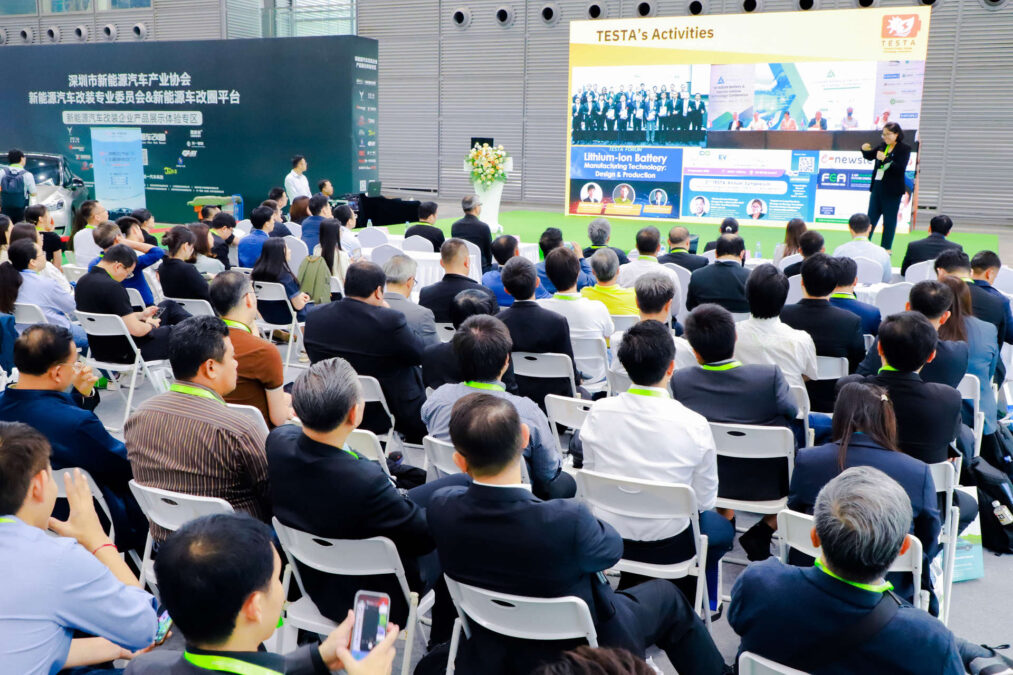
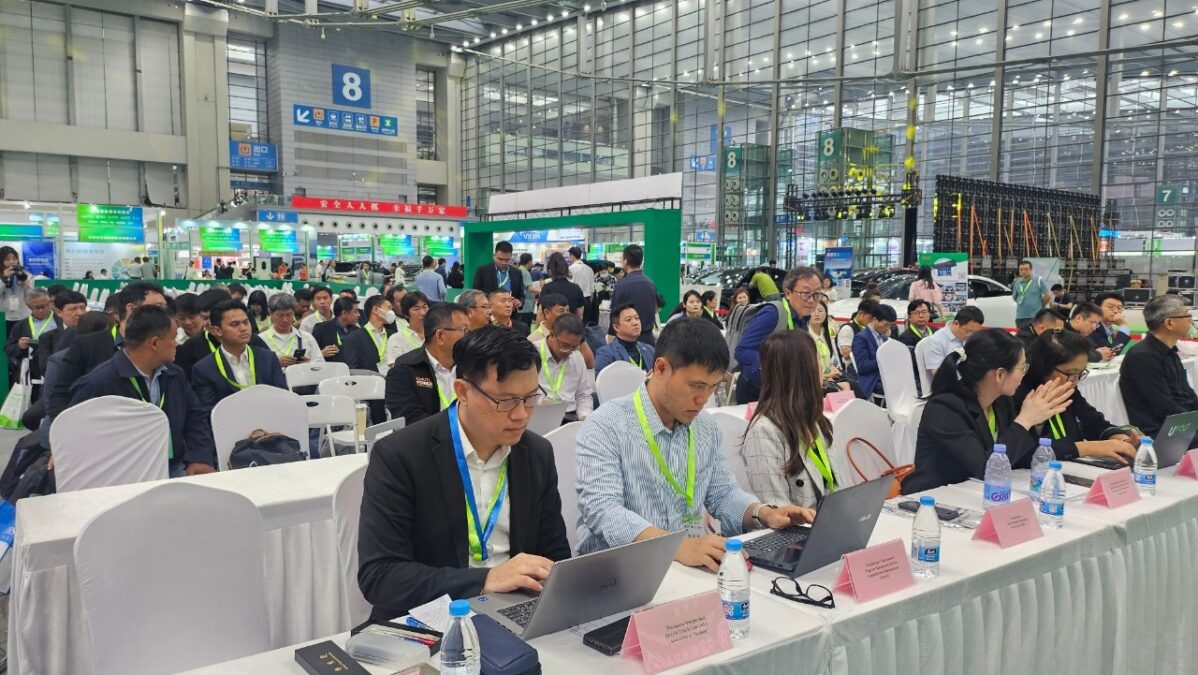
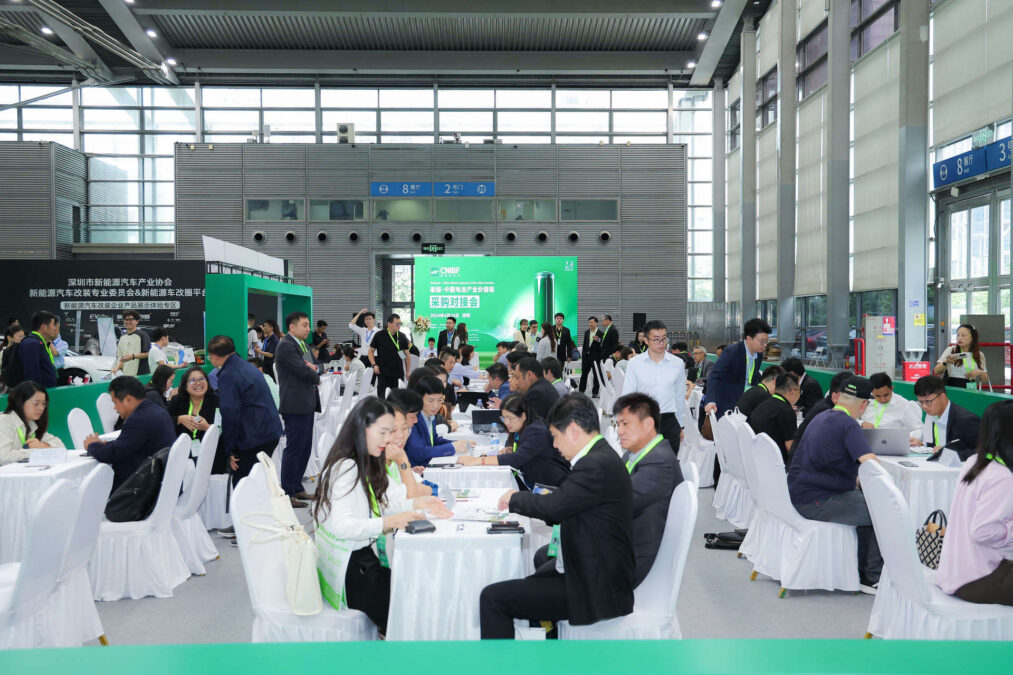
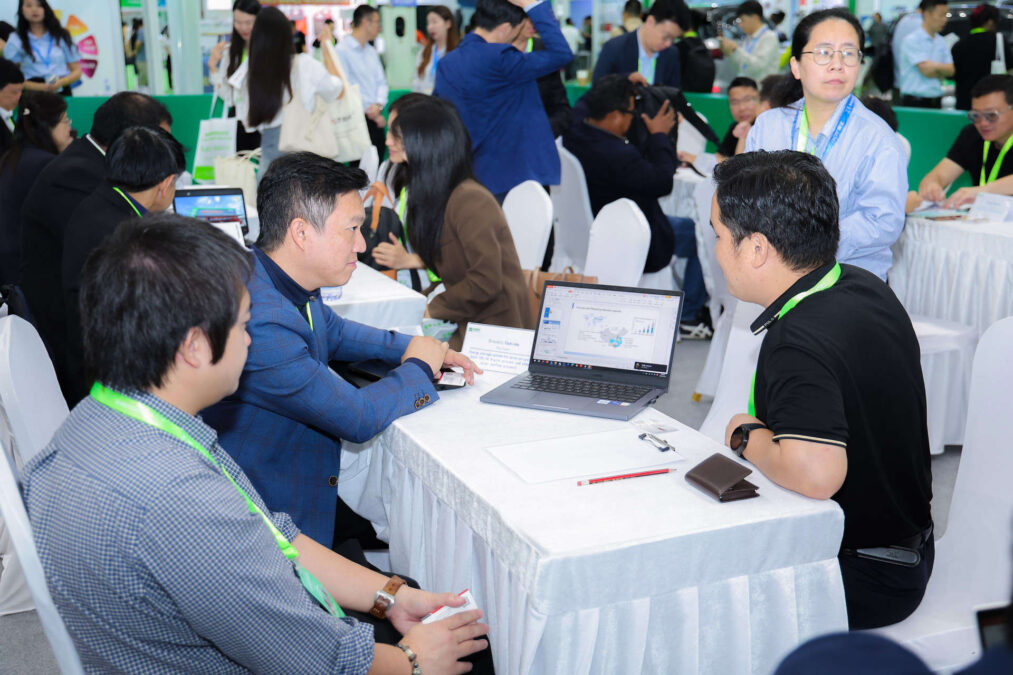
The main activity of this event was a business matching activity held in Hall 8 of the Battery Industry Expo in Shenzhen, People’s Republic of China. Invitations were extended to over 37 companies related to the battery industry and value chain in the People’s Republic of China, and 29 companies interested in the battery industry from Thailand. This business matching involved key stakeholders in the battery industry across the value chain.
Subsequently, on April 25-26, 2024, the delegation visited battery manufacturing plants to study the production process from upstream to downstream, including battery cells, modules, and packs, at four factories:



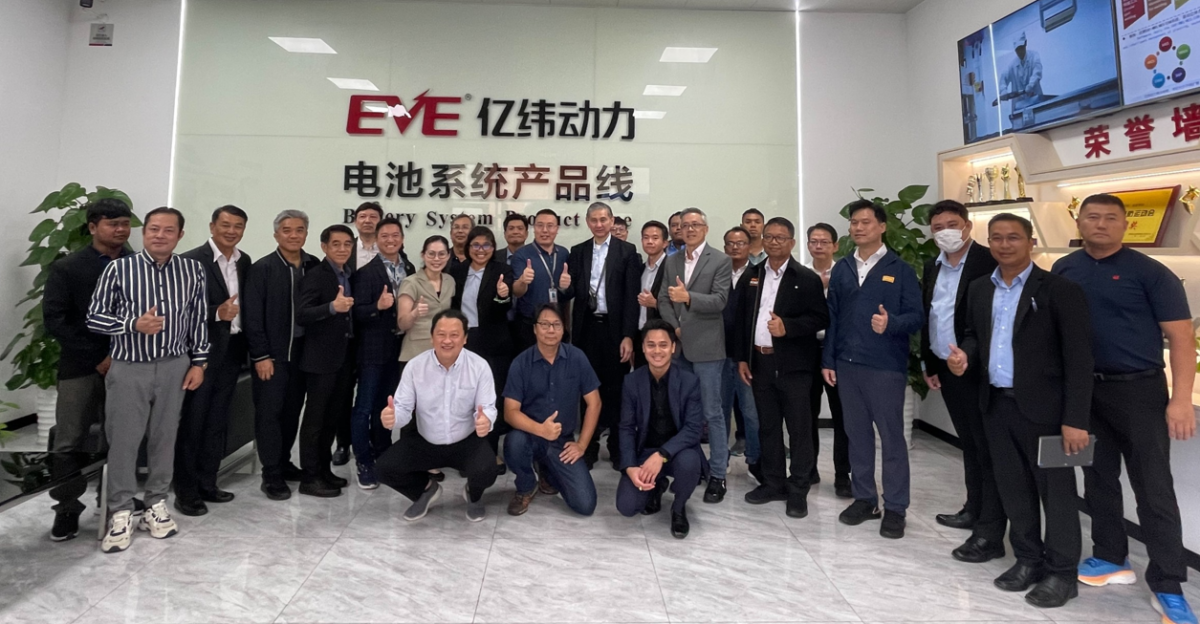
1) EVE Energy Co., Ltd., a global leader in the lithium battery industry established in 2001 and first recognized in the Shenzhen GEM (Green Eco-Manufacture) in 2009. In 2022, the company was named a new manufacturer for BMW and DAYUN, operating an OEM business model that provides comprehensive battery and energy technology solutions, particularly in the Internet of Things (IoT) sector. The company’s diverse battery cell products include Li-SOCl₂, Li-MnO₂, capacitors, super capacitors, pouch cells, cylindrical cells, bean cells, prismatic LFP cells, prismatic NCM cells, pouch NCM cells, EV cylindrical cells, and others, catering to various industries. Currently, the company has established a research institute with over 3,100 interdisciplinary R&D doctors and engineers focusing on material research, electrochemical reactions, structural design, and electronic circuit design. This institute has registered over 5,870 national patents in the People’s Republic of China.
2) Sunwoda Mobility Energy Technology Co., Ltd. was founded in 1997 and is one of the global leaders in lithium-ion battery technology. The company’s businesses include 3C batteries, electric vehicle (EV) batteries, energy services, smart hardware, smart manufacturing, industrial internet, and testing services. The company conducts some of its businesses as an OEM, focusing mainly on general-purpose batteries for household appliances. It does not solely focus on producing batteries to meet the electric vehicle (EV) market. Moreover, the company places significant emphasis on investment in research and development (R&D) through the Sunwoda Research Institute.

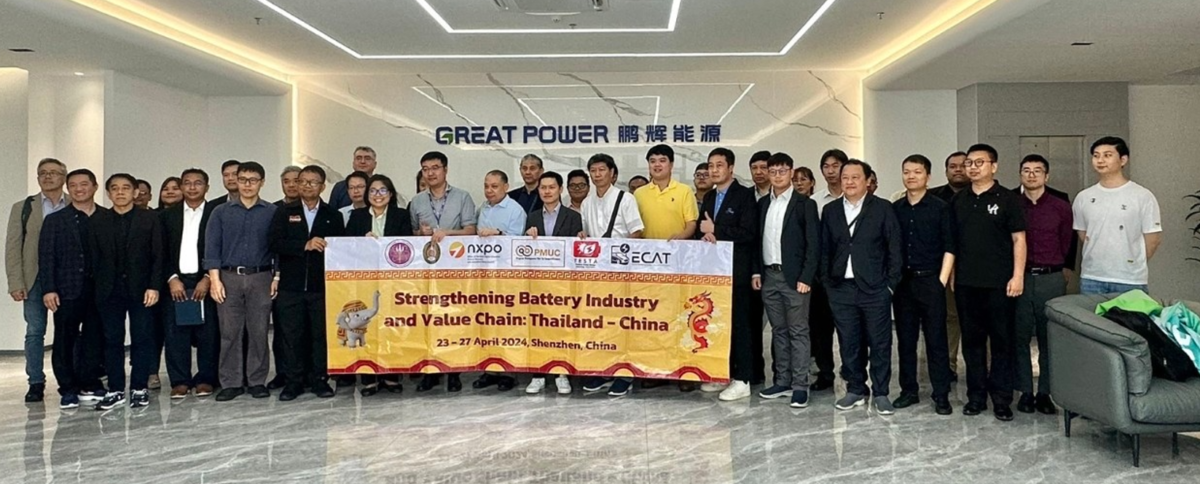
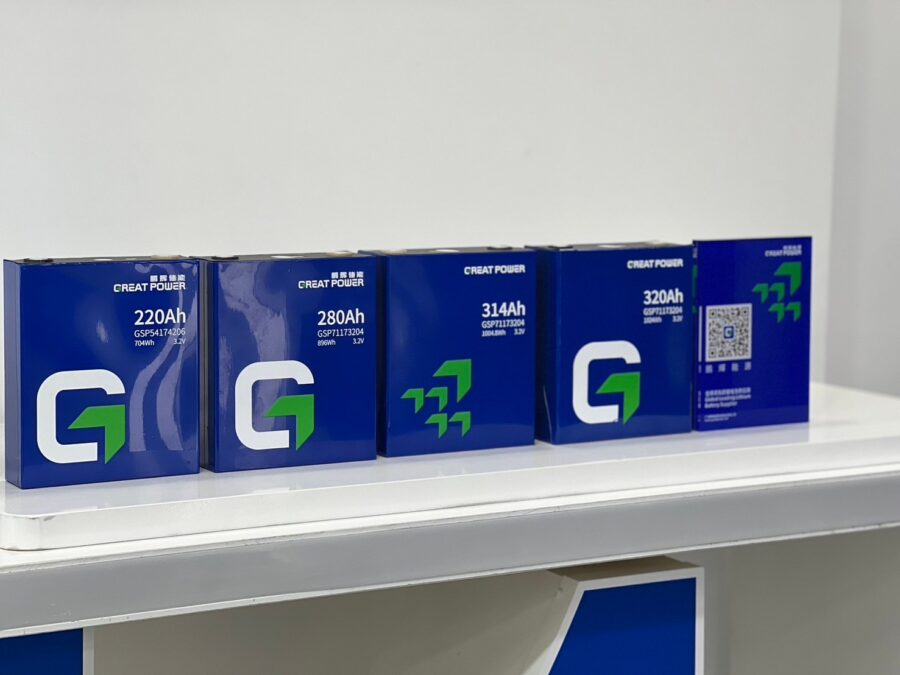
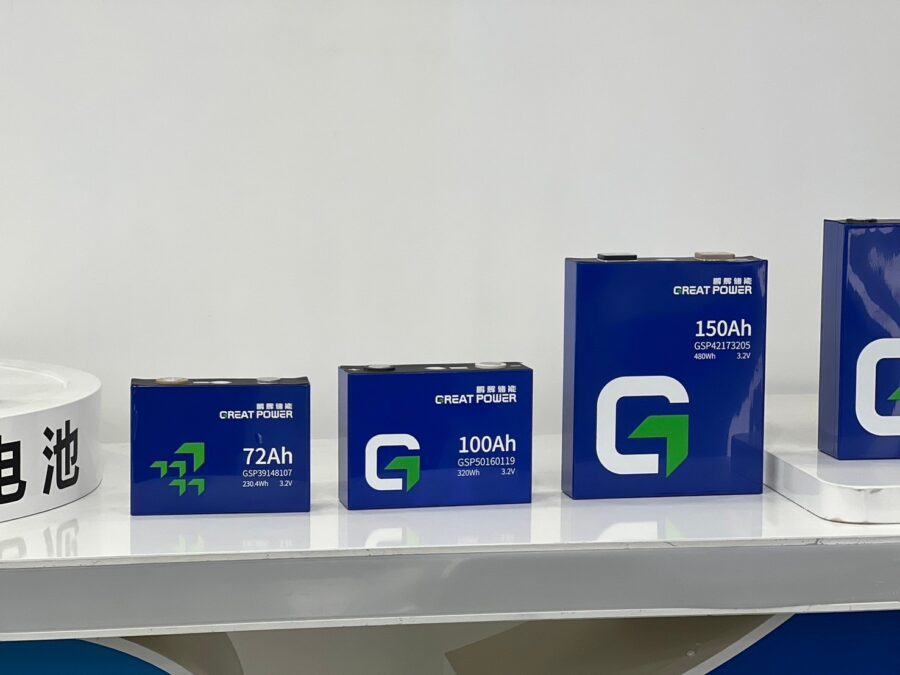
3) Guangzhou Great Power Energy & Technology Co., Ltd. was founded in 2001 and went public in 2015. The company manufactures battery cells, battery packs (PACK), battery racks (RACK), outdoor energy storage cabinets, container energy storage cabinets, and other products for various brands. The company prioritizes the safety of its products, claiming that there has never been an accident caused by its products. Furthermore, the company ranks fifth globally in energy storage battery shipments and second globally in home energy storage battery shipments.
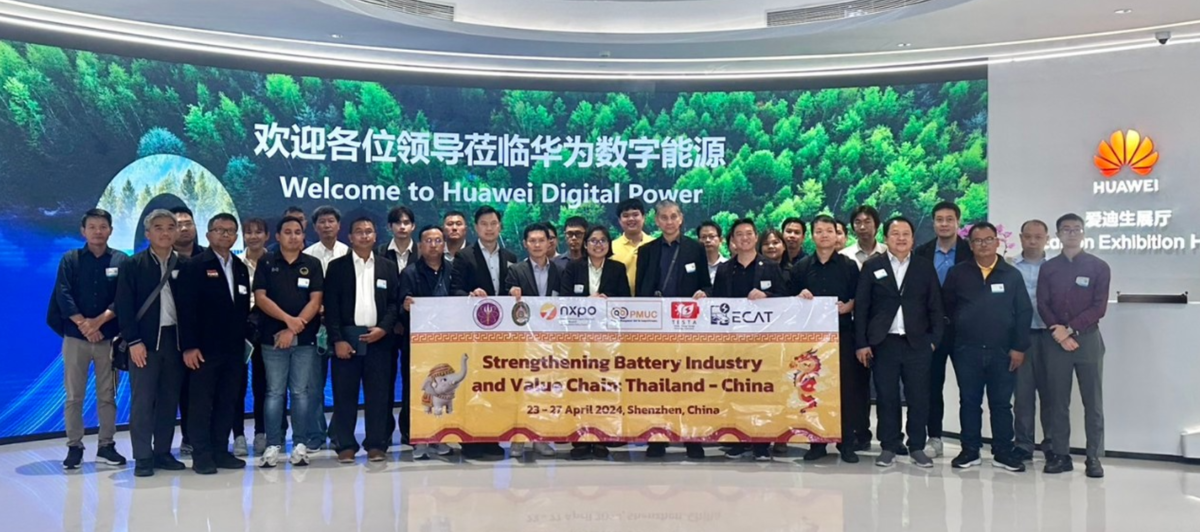
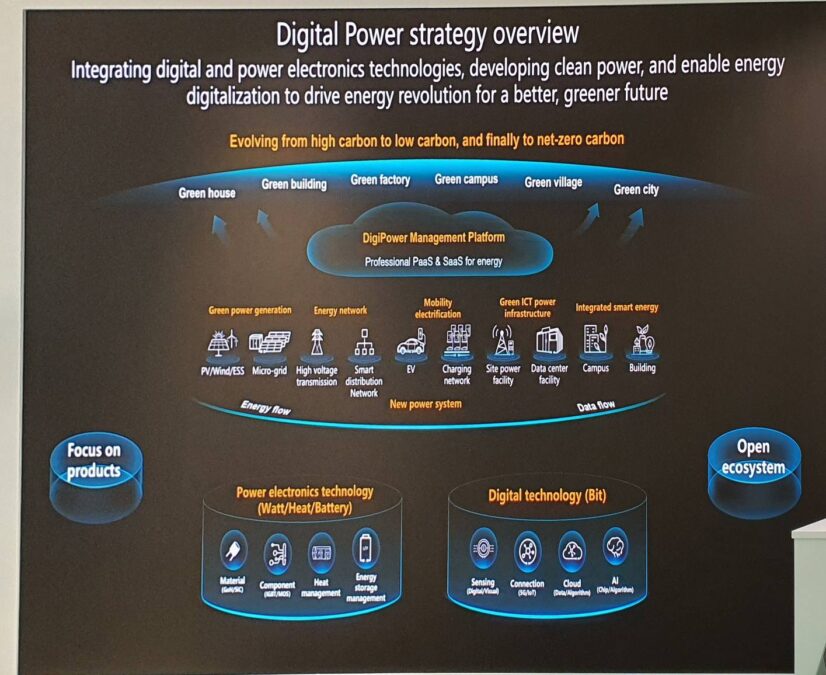
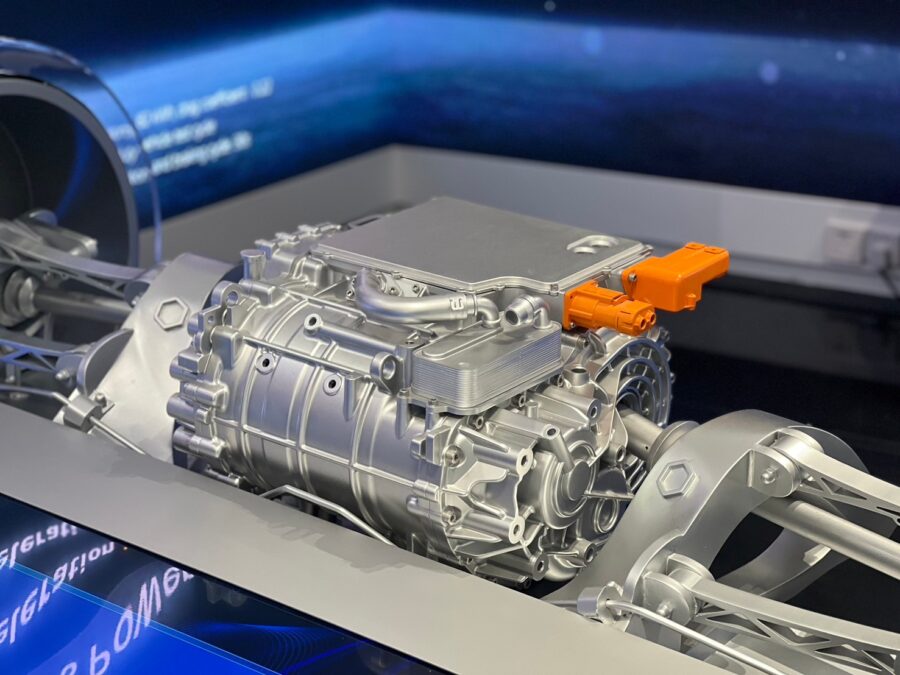
4) Huawei Digital Power Technology Co., Ltd. is a company that provides Digital Power products. This new concept combines Digital and Power Electronics technologies to develop clean energy and support energy operations. The company offers a comprehensive range of energy management products, such as Fusion Solar, Power Supply, Site Power Facility, Powertrain, and Embedded Power.
On April 27, 2024, a workshop was held to summarize the key information and insights gained from the academic study visit program “Building the Thai-Chinese Battery Industry Value Chain” from April 23 to 27, 2024, in Shenzhen, People’s Republic of China. The workshop also discussed proposals for developing the battery industry in Thailand, held in the 16th-floor conference room of the Century Kingdom Hotel in Shenzhen.


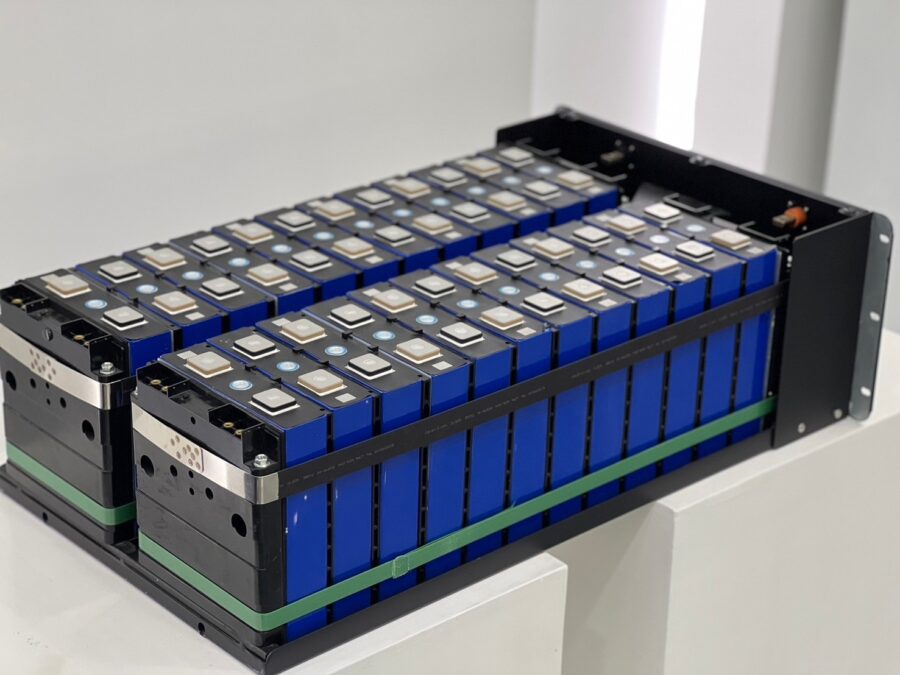
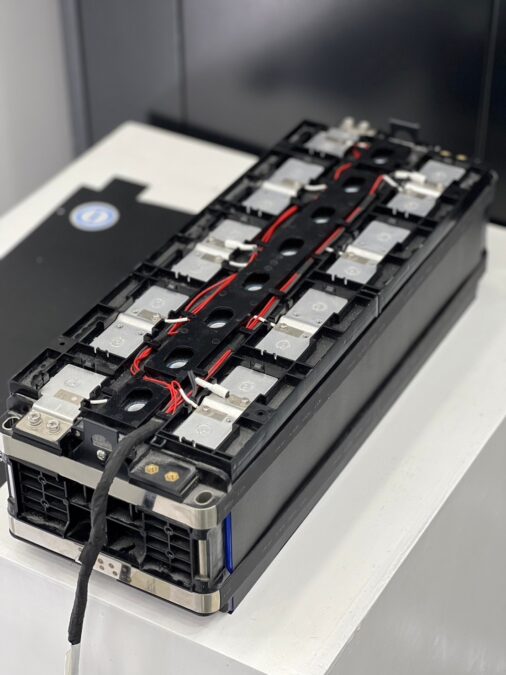
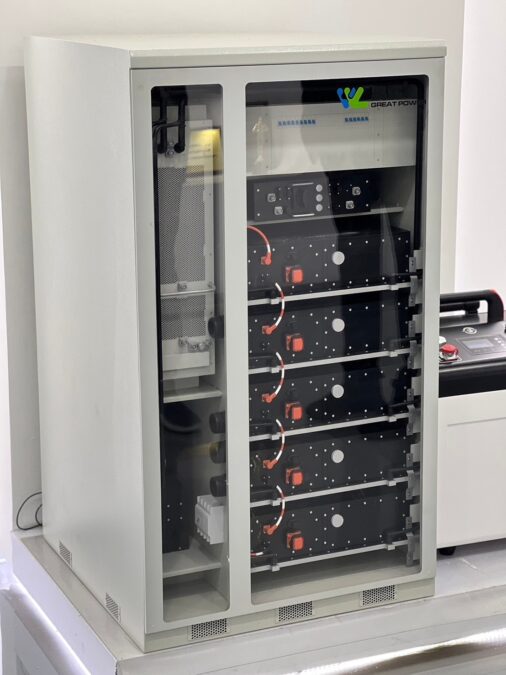
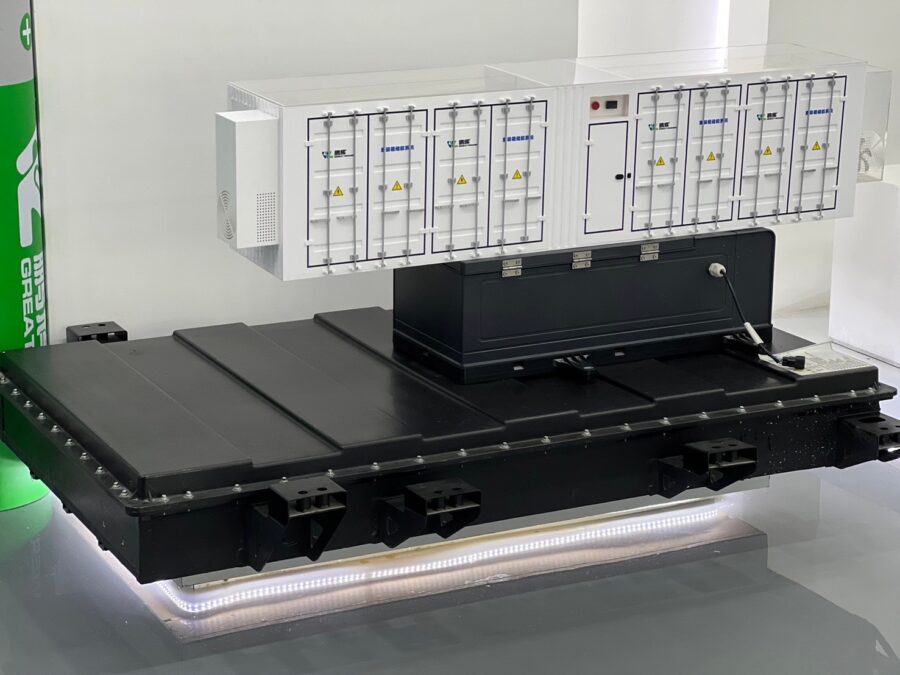

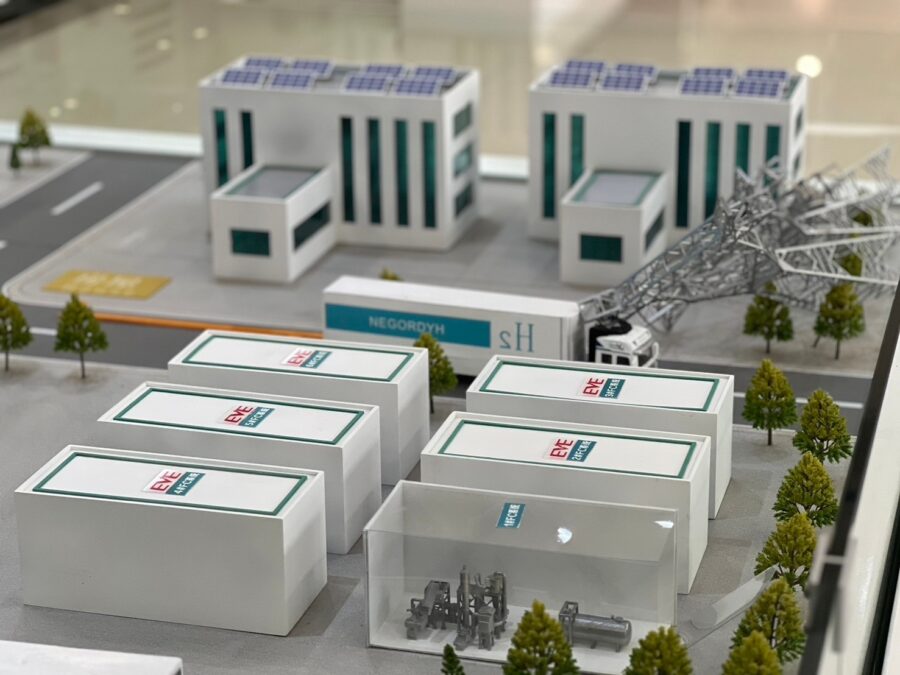
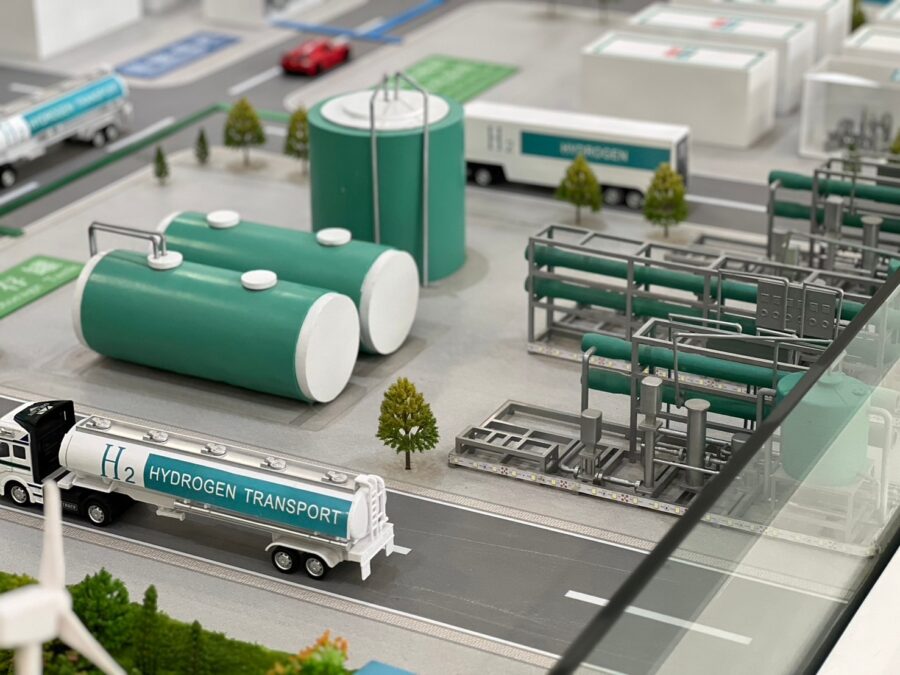
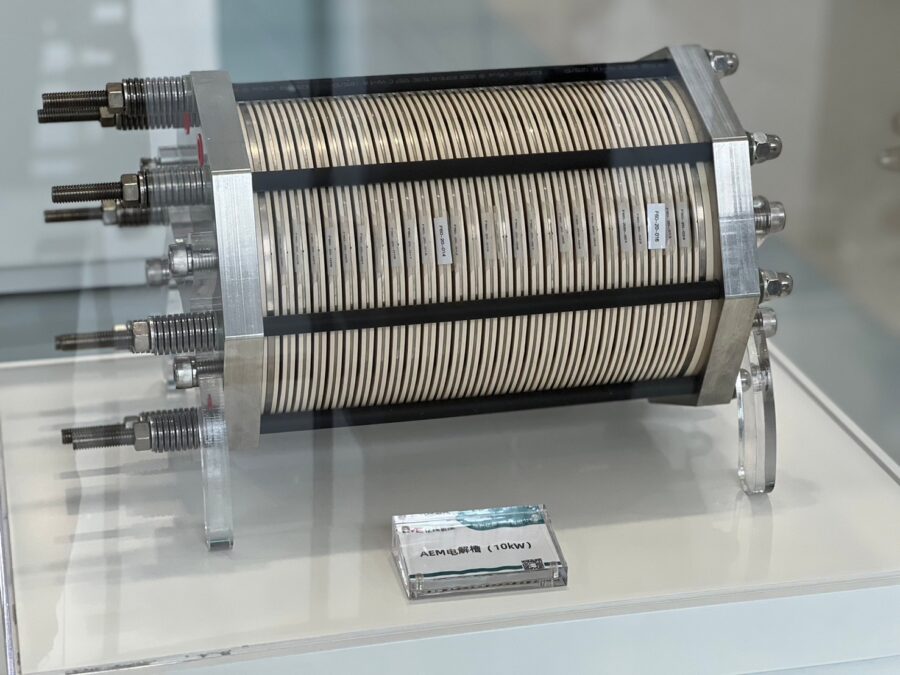
During the workshop, representatives from relevant agencies presented beneficial content and supportive information. This included discussions on the objectives and expectations of the workshop and a summary of the status of the modified electric vehicle industry in Thailand, which exemplifies the demand for batteries and the need for government support. Presenters included Dr. Thanakan Wongdee, a strategist at the National Higher Education, Science, Research, and Innovation Policy Council (NXPO) and President of the Electric Vehicle Conversion Association of Thailand (ECAT), who discussed funding support for R&D under the SRI system. Assoc. Prof. Watcharapol Chayaprasert, Ph.D., Director of the National Logistics and Rail Development Plan, represented PMUC. Assoc. Prof. Dr. Weerachate Khangen from King Mongkut’s Institute of Technology Ladkrabang summarized details on energy storage systems and applications. Prof. Nonglak Meethong, Ph.D., Director of the Prototype Battery and New Energy Factory at Khon Kaen University and Vice President of the Thai Energy Storage Technology Association (TESTA), summarized the battery value chain. Lastly, Mr. Paripat Buranasin, Managing Director of Gavin Consulting Co., Ltd. and Vice President of the Electric Vehicle Conversion Association of Thailand (ECAT), summarized business models in the battery industry.
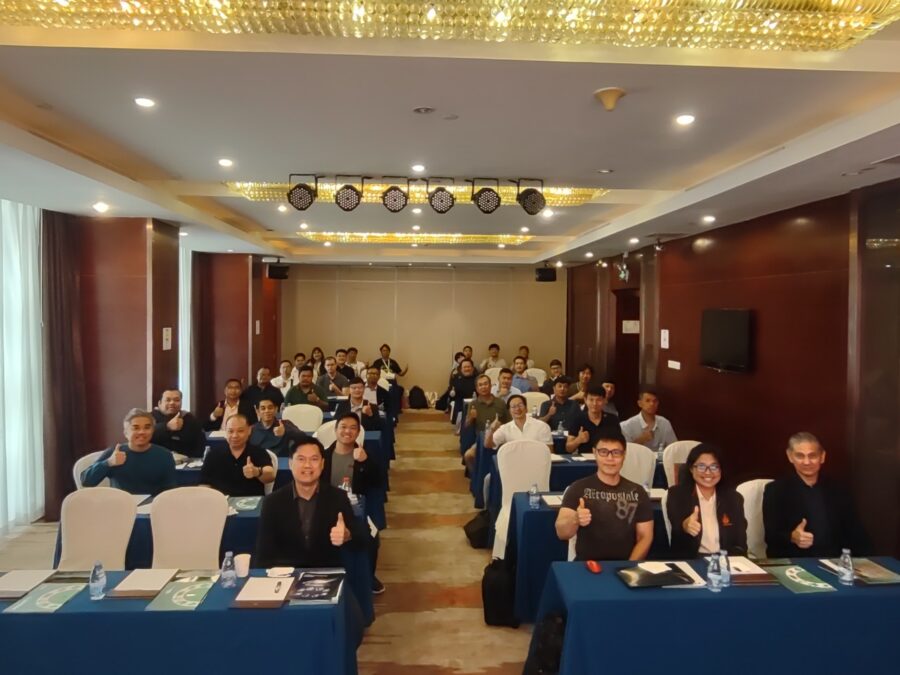
During the workshop, a platform was provided for exchanging opinions and suggestions on operational guidelines to develop the battery industry and industries that use batteries as key components in Thailand from the stakeholders involved in the project (Key Stakeholders). The main details and issues discussed are as follows:
1. The private sector and associations expressed that:
1.1 In the case of importing batteries for use with existing systems (solar cell systems), the process of obtaining usage permits takes quite a long time, more than six months.
1.2 In the case of bringing in batteries for testing, there are time constraints and tax restrictions, which require taxes to be paid. This makes it impossible to test all technologies due to significantly increased costs.
1.3 In the case of importing batteries for research and development (R&D), there will be tax expenses. It is proposed that battery taxes should be exempted under R&D activities or state or private research projects.
1.4 Regarding batteries, if battery cells are imported from abroad and then developed into packs locally, the initial import tax is 10% and excise tax is 8%. Once manufactured into modules and packs, they are considered another product, which will be sold to manufacturers like electric motorcycle producers. This subsequent product will incur an 8% excise tax on the sale price, which can be deducted from the initially paid taxes. Additionally, there will be an interior tax. To foster industry growth domestically, it is suggested to support measures to mitigate these continuous taxes, and other parts, besides batteries, should receive similar support, such as motor testing or tax exemption in the first 2-3 years.
1.5 For system design, research, and development and testing, such as battery-swapping electric motorcycles, which require specification setting and extensive research, testing, and data collection for analysis of hundreds of units, it is still considered in the R&D stage from the researchers’ perspective. Developing new technologies with local content within the country, which may not be commercial yet, if recognized by relevant government agencies as being in the R&D stage, should be eligible for tax exemptions. This would promote research and industrial development domestically.
1.6 In terms of setting standards, for example, some automotive standards set by Thailand become barriers to competing with foreign manufacturers. Most Thai manufacturers are smaller and less capable than foreign companies. It is proposed to initially set appropriate standards to allow new industries to emerge. Once established, stricter quality standards can be developed. In the initial phase, regulations might be relaxed to allow testing and developing competitiveness and flexibility for adaptation (Sandbox).
1.7 Most Thai entrepreneurs cannot compete on price with Chinese manufacturers due to China’s higher production capacity and lower prices. Thai products cannot compete directly with Chinese prices but can increase value by setting or supporting recognized standards. It is proposed that the government provide financial support and promote meeting various relevant standards. Although Thai products might be more expensive than imports, they offer quality assurance, better reputation, and service, making them a viable option for the domestic industry. Many imported products from China do not necessarily meet international standards or have guaranteed quality, even if they have licenses.
1.8 Importation of electric vehicles or components imported either as a whole or separately from abroad comprises various items under the ASEAN-CHINA FTA agreement. Importing electric vehicles from China incurs a 0% import tax, which results in higher costs for Thai operators due to higher overall taxes. Additionally, foreign manufacturers require the use of components associated with their respective brands, limiting Thai operators’ involvement in the value chain. Closed protocol communication systems in electronic devices prevent maintenance, and many components cannot be repaired or fully restored, leading to reliance on foreign companies for parts and knowledge. To provide Thai operators with opportunities for industry development, negotiations for a tax exemption should include a requirement for open protocol communication systems for imported electronic devices. This would enable Thai operators to repair, replace, or repurpose components after their lifespan, fostering continuous industry growth.
1.9 Ambiguities in regulatory interpretation by state agencies overseeing relevant regulations pose risks, such as reimporting products or components for reassembly, potentially leading to legal repercussions and heavy fines. Inconsistent interpretations among departments within the same agency create uncertainty for businesses, discouraging investments necessary for Thailand’s industrial growth. To address this, state agencies should study and compile clear summaries of case studies to enhance intra-agency communication, unlock limitations, and improve operational efficiency. Making this information easily accessible externally would provide valuable guidance for businesses and contribute to Thailand’s industrial competitiveness.
1.10 Entrepreneurs urge stakeholders to consider that batteries are not solely for electric vehicles (EVs). Supporting the battery industry should not be restricted to EV applications but extended to various industries with potential and demand for such support.
2. Government agencies expressed their opinions as follows:
2.1 Importing batteries, whether as cells, modules, or packs, incurs taxes separately at each stage, excluding various circuitries, in accordance with customs regulations. Complete energy storage systems (ESS) are not considered batteries due to differing specifications and are taxed based on declared selling prices rather than capacity. Guidelines for retail and wholesale imports remain consistent.
2.2 Historically, battery support has been directed towards the electronics and components sector, lacking specific policies or incentives for various industries. Present efforts aim to foster a battery industry akin to EV policies, resulting in ongoing discussions with customs, the Revenue Department, and alignment with BOI measures to enhance competitiveness. Previously, batteries were taxed at a flat rate of 8% under outdated principles. To foster domestic battery and supply chain development, tax reductions for R&D and testing activities, as well as incentives aligned with relevant industries, are proposed for future consideration.